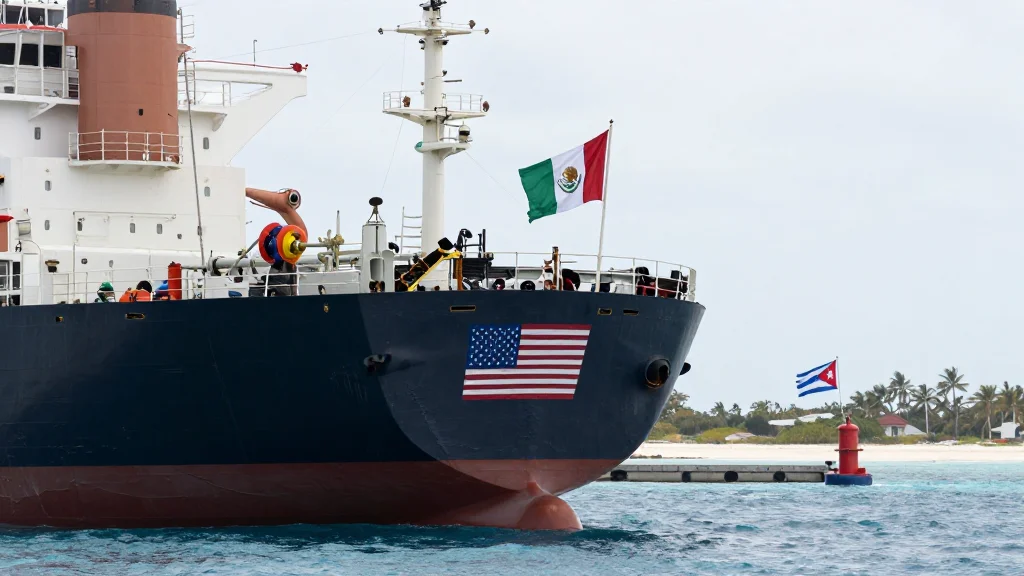
Dem Representative Admits to Working with Mexico to Sneak Oil Into Cuba, Despite Blockade
Why It Matters
The episode spotlights the political and legal risks when lawmakers discuss sanction‑busting solutions, potentially pressuring policymakers to revisit the Cuban embargo. It also underscores the murky legal terrain surrounding the Logan Act and sanctions enforcement.
Key Takeaways
- •Jayapal discussed oil shipments to Cuba with Mexican ambassadors.
- •Critics label her comments as potential felony under U.S. sanctions.
- •Legal scholars say Logan Act has no convictions in 174 years.
- •Debate intensifies over lifting Cuba embargo and congressional foreign outreach.
Pulse Analysis
Cuba’s chronic fuel shortage has become a flashpoint for U.S. foreign policy, especially as the island’s economy buckles under a decades‑long embargo. The shortage fuels public discontent and a surge in migration, prompting congressional delegations like the one led by Rep. Jayapal to assess on‑the‑ground realities. By framing the embargo as "economic bombing," Jayapal taps into a growing bipartisan chorus that argues the sanctions hurt ordinary Cubans more than the regime, raising questions about the efficacy of punitive trade measures versus diplomatic engagement.
The legal controversy surrounding Jayapal’s comments hinges on two distinct frameworks: U.S. sanctions law and the Logan Act. While the Logan Act has not produced a conviction in over a century and a half, it remains a symbolic bar against unauthorized negotiations with foreign governments. Sanctions experts stress that criminal liability would require evidence of concrete actions that facilitate prohibited transactions, not merely exploratory dialogue. This nuance underscores the delicate balance Congress must strike between oversight responsibilities and adherence to executive‑branch foreign policy tools.
Beyond the courtroom, the episode could reshape U.S. relations with both Cuba and Mexico. Mexico, a key regional partner, has historically advocated for easing restrictions on Cuba, and any perceived cooperation on oil shipments may strain diplomatic ties with Washington. Simultaneously, the controversy fuels domestic debate about the future of the embargo, with some legislators calling for its removal and others warning against weakening leverage over Havana. As public sentiment evolves, policymakers will need to weigh humanitarian concerns, geopolitical strategy, and legal safeguards when charting the next chapter of U.S.–Cuba engagement.
Dem representative admits to working with Mexico to sneak oil into Cuba, despite blockade
Comments
Want to join the conversation?
Loading comments...