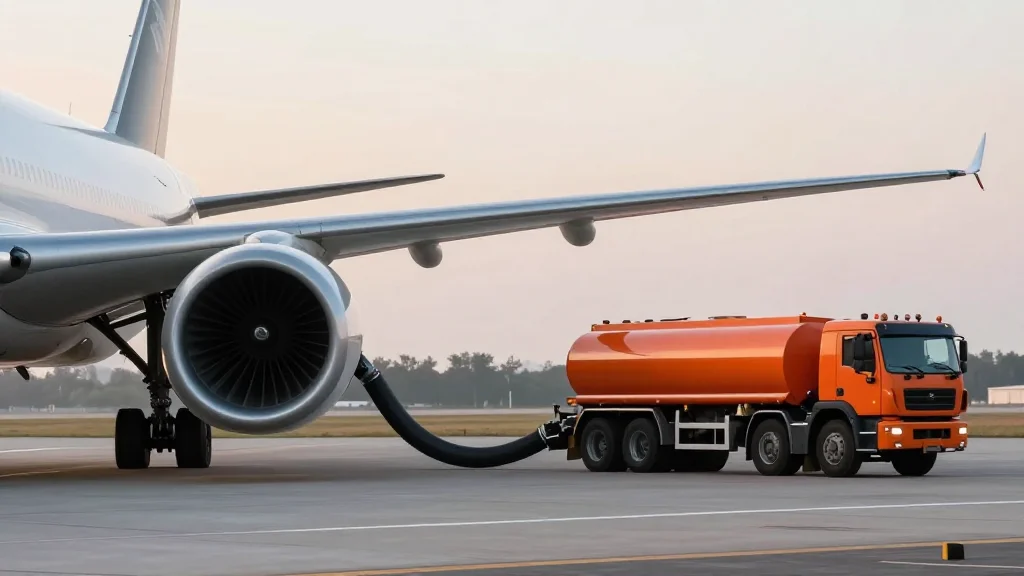
DHL CEO Flags Jet Fuel Supply Constraints in Asia
Why It Matters
Jet‑fuel constraints threaten DHL’s global air‑cargo network, especially long‑haul routes in Asia, and could reshape pricing dynamics for exporters and importers across the region.
Key Takeaways
- •DHL faces jet fuel shortages at several Asian airports
- •Supply constraints stem from Iran war disrupting Strait of Hormuz
- •DHL can still fuel regional flights but not intercontinental routes
- •Higher fuel costs are passed to shippers, limiting price sensitivity
- •DHL's hub infrastructure gives it better fuel certainty than rivals
Pulse Analysis
The ongoing conflict in the Middle East has turned the Strait of Hormuz into a chokepoint for crude oil, curtailing the daily flow of roughly 10‑12 million barrels. This bottleneck ripples through the global supply chain, inflating jet‑fuel prices and tightening availability for airlines worldwide. Air‑cargo operators, which depend on steady fuel deliveries to maintain tight schedules, are among the first to feel the pressure as carriers scramble for limited inventories at regional depots.
DHL’s logistics network illustrates the uneven impact of the shortage. At its European hubs, where the company owns dedicated fuel storage and handling facilities, DHL can lock in supply contracts and hedge against price spikes. In contrast, Asian airports lacking such infrastructure force DHL to rely on third‑party suppliers, exposing it to volatile market conditions and occasional fuel‑outages that have already grounded intercontinental flights. The carrier’s ability to keep regional and short‑haul services operational mitigates immediate revenue loss, but the disruption underscores the strategic value of owning or partnering on fuel assets in high‑traffic corridors.
For the broader air‑cargo industry, the situation signals a shift toward higher surcharge structures and tighter capacity management. While DHL expects the industrial value chain to absorb short‑term cost increases, prolonged scarcity could erode price‑elastic demand, especially for consumer‑goods shipments sensitive to freight rates. Airlines may increasingly prioritize routes with secure fuel access, prompting a re‑evaluation of network design and prompting shippers to diversify logistics partners. Monitoring geopolitical developments and securing diversified fuel sources will be critical for maintaining service reliability and cost competitiveness in the months ahead.
DHL CEO flags jet fuel supply constraints in Asia
Comments
Want to join the conversation?
Loading comments...