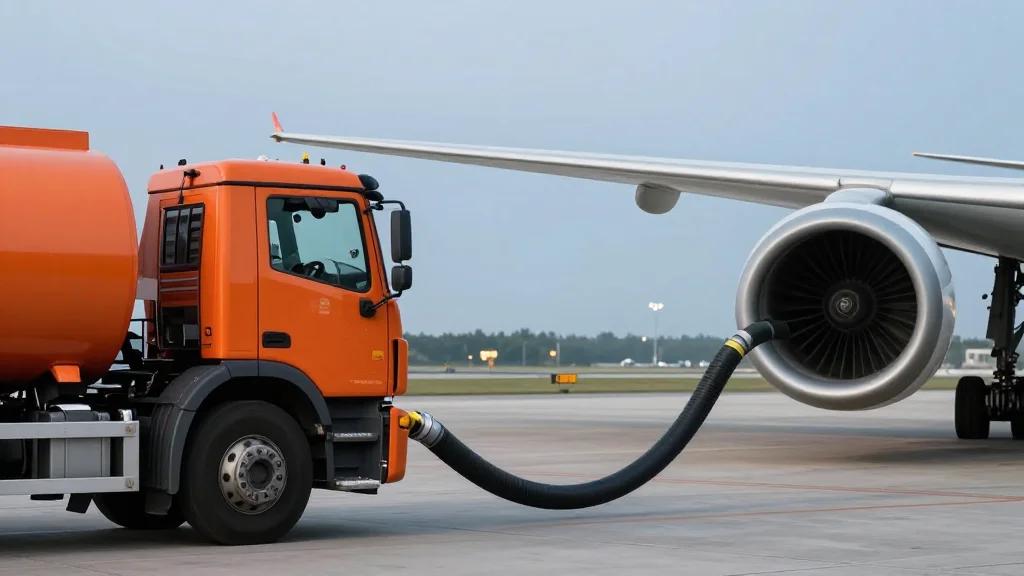
DHL CEO Warns of Jet‑fuel Shortfall in Asia, Threatens Air Cargo Capacity

Companies Mentioned
Why It Matters
Jet‑fuel shortages in Asia threaten to choke a critical segment of global supply chains that rely on fast, reliable air transport. With Asian economies accounting for more than half of global consumer demand, any disruption can reverberate through manufacturers, retailers, and end‑consumers worldwide. Higher freight costs will pressure margins, potentially prompting firms to redesign inventory strategies or accelerate the shift toward more resilient, multimodal logistics networks. Beyond immediate cost implications, the crisis underscores the strategic vulnerability of relying on a single fuel corridor. It may hasten the adoption of sustainable aviation fuels and incentivize policy makers to diversify energy routes, reshaping the long‑term economics of air cargo and its role in the global supply chain ecosystem.
Key Takeaways
- •DHL CEO Frank Meyer warns of a 10‑12 million‑barrel daily jet‑fuel shortfall in Asia.
- •Strait of Hormuz, carrying ~34% of global crude in 2025, is disrupted by Middle‑East conflict.
- •IATA’s Willie Walsh cautions that European flight cancellations could begin by end‑May.
- •DHL Express has secured jet‑fuel uplift at major hubs but faces challenges at bespoke locations.
- •Higher fuel costs are being passed to shippers, though Meyer says industrial demand remains inelastic.
Pulse Analysis
The jet‑fuel squeeze highlighted by DHL is a textbook case of supply‑chain risk amplification: a geopolitical shock in one region cascades into cost and capacity pressures across a continent. Historically, air‑cargo markets have absorbed fuel volatility by adjusting surcharges, but the current scale—potentially a daily shortfall of up to 12 million barrels—pushes the system toward a breaking point. DHL’s relative confidence stems from its diversified hub network, yet the company’s admission of “bespoke locations” under strain signals that smaller, regional airports could become bottlenecks, forcing carriers to consolidate flights and raise yields.
For shippers, the immediate calculus will be whether to absorb higher surcharges or re‑route shipments via slower, cheaper ocean lanes. Companies with high‑value, time‑sensitive inventories—electronics, pharmaceuticals, fashion—are likely to accept higher costs to preserve service levels, while bulk commodity movers may shift to sea freight, potentially reshaping trade lanes. In the longer term, the episode could accelerate investment in sustainable aviation fuel (SAF) and alternative propulsion technologies, as airlines and logistics firms seek to hedge against future geopolitical fuel shocks.
Regulators and policymakers will also feel pressure to address the structural fragility exposed by the Strait of Hormuz bottleneck. Diversifying oil transport routes, building strategic fuel reserves in the region, and encouraging transparent fuel‑pricing mechanisms could mitigate future disruptions. As DHL and other carriers navigate the short‑term turbulence, the episode may serve as a catalyst for a broader re‑evaluation of how the global supply chain secures its most critical energy inputs.
DHL CEO warns of jet‑fuel shortfall in Asia, threatens air cargo capacity
Comments
Want to join the conversation?
Loading comments...