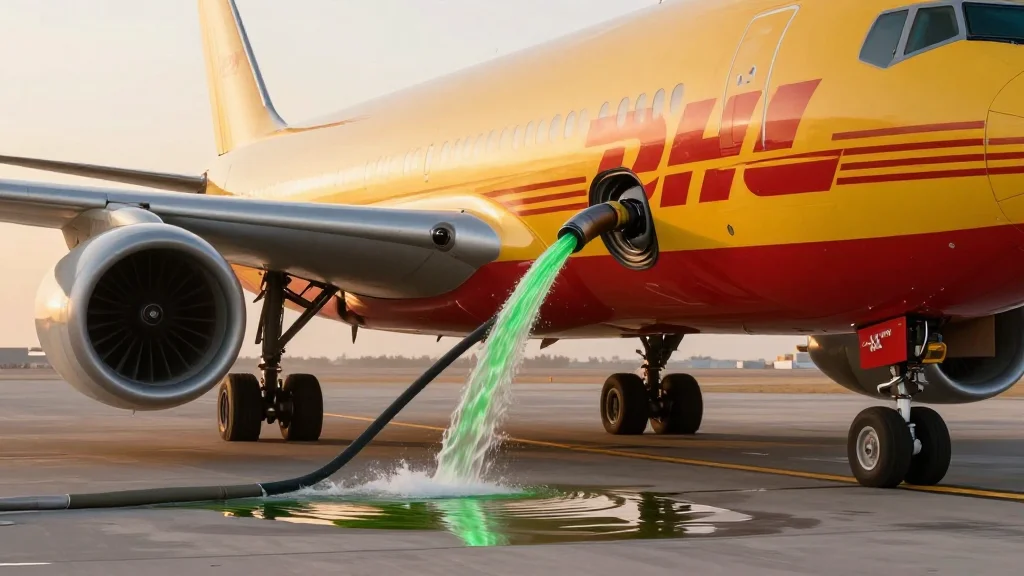
DHL Express Secures 250,000 Tons of SAF in 10‑Year Deal with Dubai’s SAF One

Why It Matters
The DHL‑SAF One agreement creates a predictable, decade‑long demand stream for renewable jet fuel, reducing financing risk for SAF producers and accelerating the build‑out of regional supply infrastructure. By integrating SAF into its GoGreen Plus carbon‑insetting service, DHL offers a scalable tool for customers to address Scope 3 emissions, a growing focus of corporate ESG reporting. Beyond DHL, the deal demonstrates that major logistics firms are willing to commit capital to sustainable fuels, encouraging investors and policymakers to support SAF feedstock development, certification frameworks, and incentives. As aviation accounts for a growing share of global emissions, long‑term contracts like this are essential to bridge the gap between current SAF production capacity and the volumes needed to meet 2030 climate targets.
Key Takeaways
- •DHL Express signs 10‑year deal for 250,000 metric tons of SAF with SAF One
- •Annual supply of 25,000 metric tons begins in 2028 from Bahrain’s flagship plant
- •Deal supports DHL’s goal of 30% SAF use by 2030 and its €7 bn ($7.6 bn) sustainability plan
- •SAF will be allocated globally via DHL’s GoGreen Plus book‑and‑claim model
- •Agreement marks the first Middle‑East SAF offtake for a major global carrier
Pulse Analysis
DHL’s long‑term SAF contract reflects a strategic shift from ad‑hoc green‑fuel pilots to portfolio‑level risk management. By securing volume at a fixed price, DHL hedges against future carbon‑pricing regimes and positions itself as a low‑carbon logistics provider—a differentiator in a market where shippers increasingly demand verified emissions data. The timing also aligns with the EU’s ReFuelEU Aviation proposal, which will likely impose mandatory SAF blending ratios for flights into Europe. DHL’s early commitment could give it a compliance advantage and lower the cost of meeting future regulatory mandates.
From a supply‑side perspective, the contract validates the commercial viability of SAF One’s Bahrain plant, which leverages locally sourced renewable feedstocks such as used cooking oil and agricultural residues. The predictable demand may unlock debt financing at more favorable terms, enabling the plant to scale output and achieve economies of scale that could bring SAF prices closer to conventional jet fuel. This could trigger a cascade of similar agreements across the region, especially as Gulf carriers and airports announce net‑zero targets.
Looking ahead, the partnership could spur ancillary innovations, including digital tracking of SAF credits, integration with blockchain‑based emissions registries, and the development of blended‑fuel logistics hubs. If DHL expands the contract to include blended SAF or other renewable fuels, it would further diversify its decarbonization toolkit and set a benchmark for other logistics firms. The success of this deal will likely be measured not just in tons delivered, but in the extent to which it accelerates broader market adoption of sustainable aviation fuels.
DHL Express Secures 250,000 Tons of SAF in 10‑Year Deal with Dubai’s SAF One
Comments
Want to join the conversation?
Loading comments...