Dibermex Rolls Out AI‑Driven Logistics Overhaul in Caribbean, Latin America

Why It Matters
The Dibermex transformation signals a shift toward high‑tech logistics in a region traditionally dominated by manual processes. By delivering near‑real‑time demand forecasts and continuous order fulfillment, the company can reduce lead times and inventory buffers, lowering costs for downstream manufacturers and retailers. This efficiency gain is especially critical for perishable goods and time‑sensitive shipments that have historically suffered from infrastructure bottlenecks. If the AI‑driven model proves scalable, it could spur a wave of automation investments across the Caribbean and Latin America, prompting ports, freight forwarders and third‑party logistics providers to upgrade their own technology stacks. The competitive pressure may also accelerate policy discussions around workforce retraining and robotics regulation, shaping the future labor landscape in the region’s supply‑chain ecosystem.
Key Takeaways
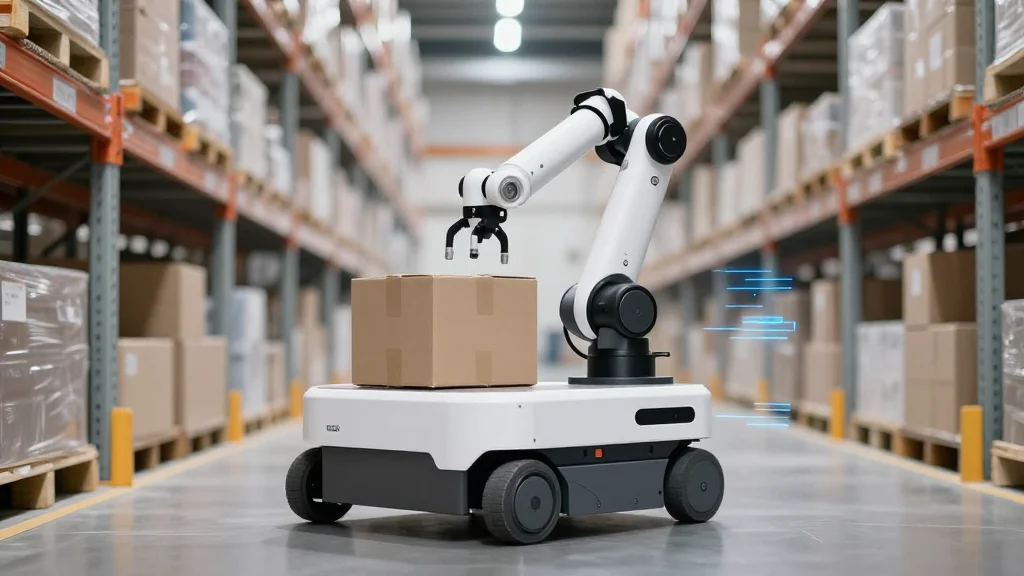
- •Dibermex launches AI forecasting and 24‑hour picking robots at Puerto Limón hub
- •AI platform claims 94 percent demand‑forecast accuracy
- •Automation lifts capacity to 1,200 orders per hour
- •Phase 2 to expand to Panama (Q4 2026) and Dominican Republic (early 2027)
- •Initiative aims to position Caribbean logistics among the most advanced globally
Pulse Analysis
Dibermex’s aggressive digital push reflects a broader trend of logistics firms leveraging AI to offset labor shortages and rising freight costs. In markets like the Caribbean, where labor costs are relatively low but skilled talent is scarce, the economics of robotics hinge on the ability to achieve scale quickly. By targeting 1,200 orders per hour, Dibermex is betting that throughput gains will outweigh the capital expense of autonomous equipment.
Historically, the region’s supply‑chain performance has been hampered by fragmented infrastructure and weather‑related disruptions. The AI engine’s 94 percent forecasting accuracy could mitigate these risks by enabling dynamic inventory repositioning, but it also raises questions about data quality and model robustness in the face of unpredictable tropical storms. Competitors will likely monitor Dibermex’s operational metrics closely, as any demonstrable improvement in on‑time delivery rates could become a new industry standard.
Looking ahead, the success of Dibermex’s rollout may catalyze a cascade of technology adoptions, from drone‑based last‑mile delivery to blockchain‑enabled traceability. However, the transition will require coordinated efforts among regulators, labor groups and technology providers to ensure that the benefits of automation are broadly shared and that the workforce can adapt to new roles in a more digitized logistics landscape.
Dibermex Rolls Out AI‑Driven Logistics Overhaul in Caribbean, Latin America
Comments
Want to join the conversation?
Loading comments...