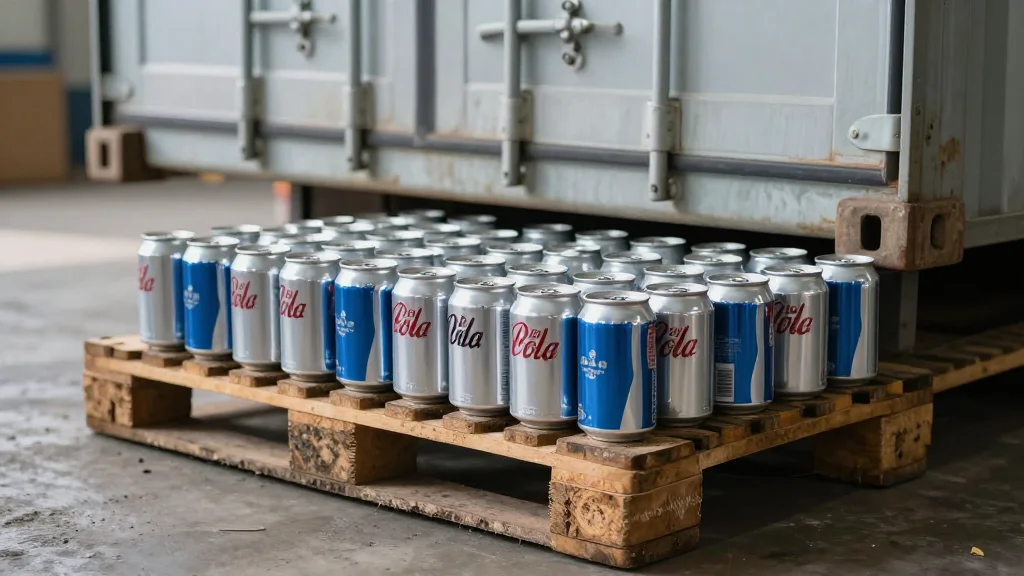
Diet Coke Runs Dry in Indian Cities as Iran War Triggers Aluminium Can Shortage
Why It Matters
The episode highlights how geopolitical conflict can quickly translate into packaging bottlenecks, inflating costs and triggering stock‑outs for high‑margin beverages, which could erode margins and consumer confidence in a fast‑growing market.
Key Takeaways
- •Iran war disrupts aluminium can supply, inflating import costs 25‑30%
- •Diet Coke relies almost entirely on cans, unlike competitors using bottles
- •Major Indian cities face stock‑outs as demand spikes during summer heat
- •Bottlers consider importing cans from UAE, Sri Lanka, raising expenses
- •Industry body urges duty suspension on cans and glass to ease shortages
Pulse Analysis
The ongoing conflict in Iran has rippled through global commodity markets, sharply curtailing the flow of primary aluminium used for beverage cans. India, which sources roughly a third of its can volume from low‑cost producers in the UAE, Sri Lanka and Southeast Asia, now faces import premiums of 25‑30 percent. With domestic can manufacturers such as Ball Beverage Packaging and Canpack operating at a fraction of capacity and new lines taking up to a year to come online, the supply chain is straining under heightened demand.
Diet Coke’s reliance on cans makes it uniquely vulnerable. Unlike Coca‑Cola’s flagship Coke, Thums Up or Pepsi, which enjoy flexible PET‑bottle and glass options, the diet variant is almost exclusively sold in aluminium. As temperatures soar, consumers are gravitating toward sugar‑free options, a segment that has doubled its sales in the past year. The resulting surge, combined with limited can availability, has led to visible stock‑outs across Mumbai, Bengaluru, Pune and Delhi‑NCR, prompting bulk buying on quick‑commerce platforms and viral social‑media complaints.
Beverage producers are scrambling to mitigate the pinch. Some are importing higher‑priced cans from neighboring regions, while others have petitioned the Indian government to temporarily waive customs duties on both aluminium cans and glass bottles. The industry cites a 20‑25 percent rise in packaging material costs and a 12‑15 percent increase in freight and insurance premiums. In the longer term, manufacturers may accelerate diversification into alternative packaging formats to shield against future geopolitical shocks, reshaping India’s soft‑drink supply chain dynamics.
Diet coke runs dry in Indian cities as Iran war triggers aluminium can shortage
Comments
Want to join the conversation?
Loading comments...