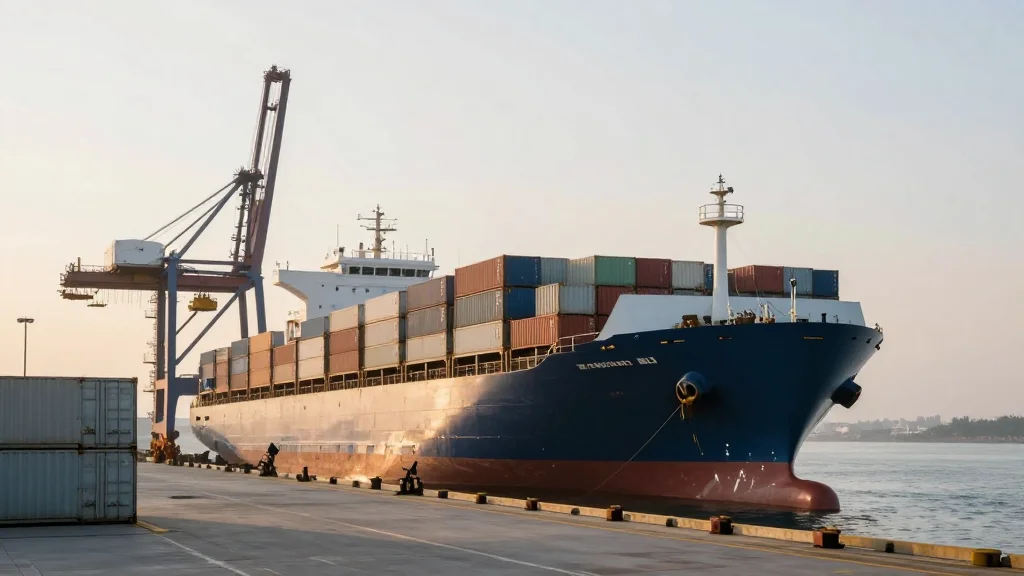
Disrupted Middle East-India Shipments Restart as Choked Supply Chains Ease
Why It Matters
Restored two‑leg service reduces transit times and freight costs, stabilizing supply chains for Indian exporters and Middle‑East importers. The shift also reshapes carrier competition, influencing pricing and capacity allocation across the region.
Key Takeaways
- •Khor Fakkan, Fujairah, and Sohar resume outbound container handling
- •Yard space constraints eased, allowing full import‑export cycles
- •CMA CGM emerges as dominant carrier on India‑Middle East lane
- •Shippers anticipate reduced transit times and lower freight rates
Pulse Analysis
The February 28 outbreak of hostilities in the Middle East forced container lines to rely on a limited set of contingency ports, effectively turning the India‑Middle East corridor into a single‑leg operation. By restricting vessels to import discharges, the region experienced severe yard‑space shortages, delayed cargo evacuation, and inflated freight rates. As the conflict’s intensity waned, authorities at Khor Fakkan, Fujairah, and Sohar cleared backlogs and reopened gates for outbound freight, restoring the full two‑leg logistics loop that underpins efficient trade.
Reactivation of these Gulf ports carries immediate commercial benefits. With yard capacity now available, carriers can schedule balanced import‑export rotations, cutting dwell times and improving vessel utilization. Shippers, especially those moving textiles, pharmaceuticals, and automotive parts from India to Gulf markets, can expect faster delivery windows and a modest dip in freight premiums that had surged during the disruption. Moreover, the operational flexibility gained from multiple port options reduces reliance on any single hub, enhancing resilience against future geopolitical shocks.
CMA CGM’s aggressive positioning in the revived lane signals a broader strategic shift among major carriers. By securing slots at the newly reopened ports, the French line is likely to capture a larger market share, pressuring rivals to negotiate competitive rates and service levels. This realignment may accelerate a trend toward diversified routing and collaborative terminal investments, ultimately fostering a more robust and cost‑effective supply chain for the India‑Middle East trade corridor.
Disrupted Middle East-India shipments restart as choked supply chains ease
Comments
Want to join the conversation?
Loading comments...