Divergent Paths in the Race for Autonomous Cargo Aviation
Why It Matters
The competing approaches dictate how quickly autonomous cargo integrates into global supply chains and which regions develop indigenous aerospace capabilities, reshaping logistics and strategic autonomy.
Key Takeaways
- •Zelta targets developing markets with amphibious VTOL, licensing, and fuel‑cell tech.
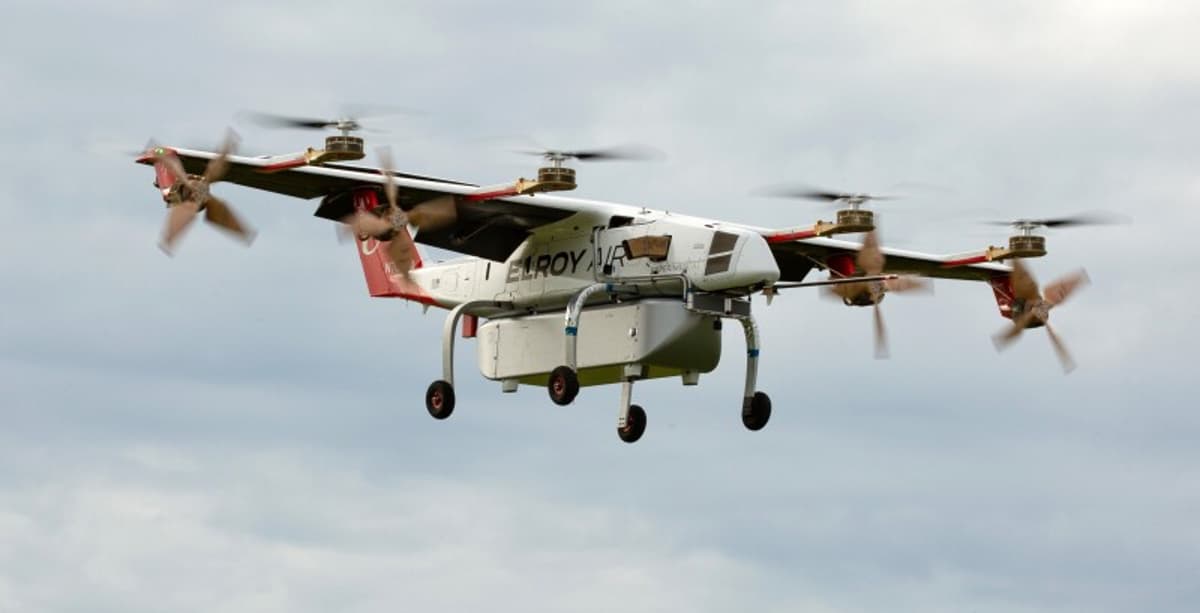
- •Elroy Air’s Chaparral aims for 300‑mile, 300‑lb payload, FAA‑certified deployment 2026.
- •AIRO’s heavy‑lift SRC hybrid promises 1,000‑mile range and 16‑hour endurance.
- •Western OEMs rely on certification and government programs; Zelta leverages sovereignty.
- •Competition accelerates autonomous cargo adoption, influencing future passenger autonomy.
Pulse Analysis
The push toward autonomous cargo aircraft is gaining momentum as the industry looks beyond passenger‑focused autonomy. The 2025 UPS MD‑11 accident underscored the divergent safety regimes for cargo versus passenger operations, opening a window for unmanned freight solutions that can bypass legacy certification hurdles. Companies are now betting on hybrid powertrains, fuel‑cell systems, and modular cargo pods to deliver the range and payload needed for long‑haul logistics while keeping operating costs low. This shift promises to transform supply chains, especially in regions where traditional infrastructure is fragmented or where water‑borne routes remain vital.
Three firms illustrate the spectrum of strategies. Zelta AeroSystems from Pakistan is championing an amphibious VTOL capable of 1,000 km flights, emphasizing energy flexibility and a licensing model that enables local production and sovereign capability. In contrast, Elroy Air’s Chaparral targets the United States and allied markets with a 300‑mile, 300‑pound payload platform built to meet FAA certification and integrated into a White House‑backed autonomous cargo program slated for late 2026. Meanwhile, the AIRO Group’s heavy‑lift, slowed‑rotor hybrid‑electric aircraft pushes performance boundaries with over 1,600 km range and 16‑hour endurance, positioning itself for both defense ISR missions and commercial freight.
The divergent business models have broader implications. Western OEMs prioritize regulatory compliance, predictable performance, and partnerships with logistics giants, while emerging‑market players like Zelta focus on technology transfer, cost‑effective licensing, and operating in less regulated airspaces. This bifurcation accelerates overall market adoption, as each model serves distinct customer bases and geopolitical needs. As autonomous cargo becomes operational, it will lay the groundwork for future passenger‑grade autonomy, reshaping aviation economics and expanding the strategic reach of nations that can field homegrown unmanned aircraft.
Divergent Paths in the Race for Autonomous Cargo Aviation
Comments
Want to join the conversation?
Loading comments...