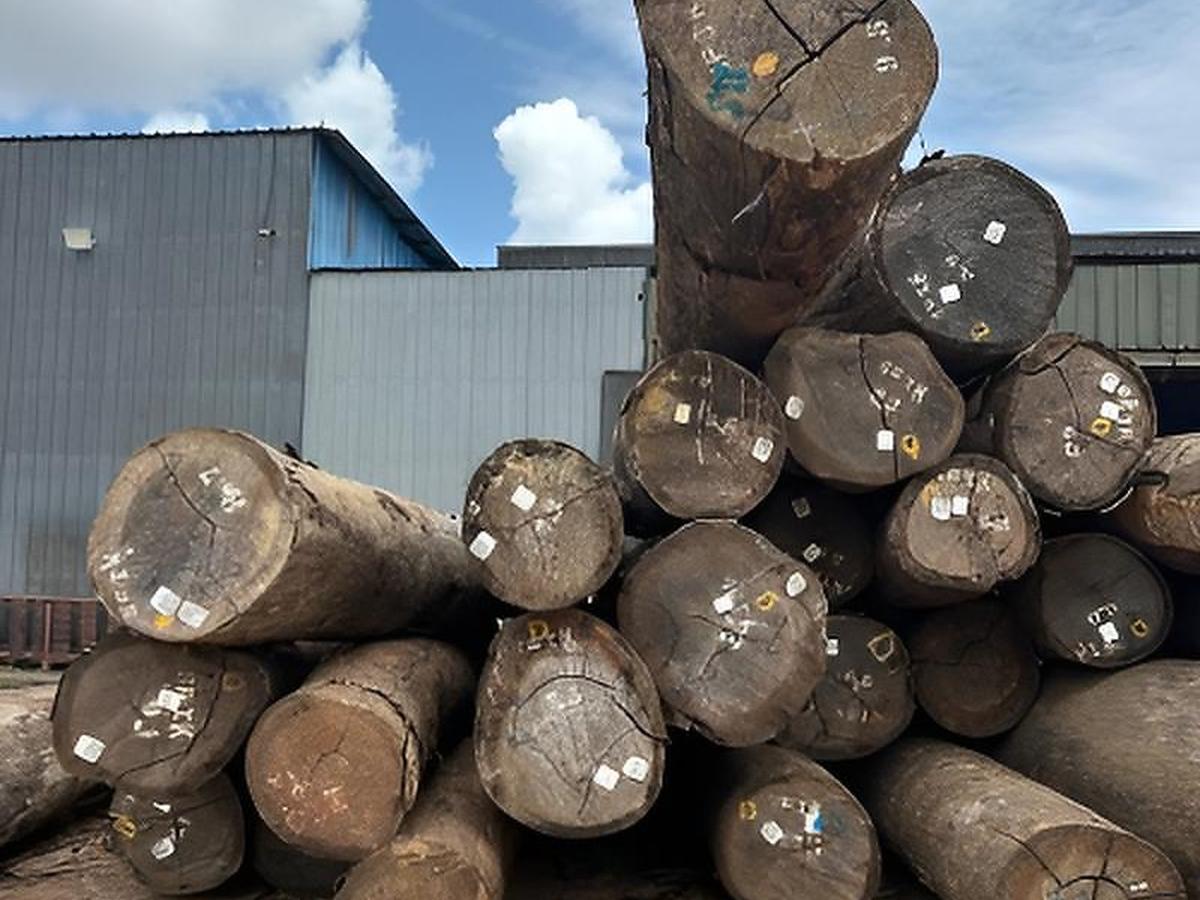
DOJ Rallies Nations to Stamp Out Timber Trafficking in Supply Chains
Why It Matters
By coordinating enforcement across source, transit and market countries, the initiative aims to protect legal timber businesses, safeguard forest resources, and reduce a $500 million illicit trade that undercuts U.S. producers.
Key Takeaways
- •US DOJ convened 100+ officials in Gabon to target illegal timber
- •Workshop linked harvest, processing, and customs sectors across five nations
- •US intelligence analysts pursue timber trafficking networks valued at $500 million
- •Vietnam negotiating MoUs with Gabon and Cameroon for data sharing
Pulse Analysis
Illegal logging ranks as the world’s third‑most profitable transnational crime, siphoning billions from legitimate forest owners and undermining the Lacey Act’s intent to keep unlawful wood out of U.S. markets. In recent years, the Department of Justice’s Environment and Natural Resources Division has stepped up its enforcement posture, hiring specialized intelligence analysts to map and dismantle timber‑trafficking networks. This heightened focus reflects broader concerns about supply‑chain integrity, consumer demand for certified wood, and the reputational risks facing companies that inadvertently source illegal timber.
The Libreville workshop marked a diplomatic milestone by assembling harvest‑origin governments, processing hubs, and consumer markets in a single forum. Over 100 delegates—including representatives from the United States, Gabon, Cameroon, Vietnam, the European Union and the United Kingdom—participated in site tours and joint investigations, tracing timber from forest to customs. By mapping the full value chain, participants identified procedural gaps, shared best practices, and explored joint enforcement tools, such as real‑time data exchange and coordinated customs inspections.
For industry stakeholders, the outcomes signal a shift toward tighter compliance requirements and greater transparency. The emerging memoranda of understanding between Vietnam and both Gabon and Cameroon will facilitate cross‑border data sharing, enabling faster detection of illicit shipments. Companies that proactively align with these new standards can mitigate legal exposure, protect brand reputation, and access markets that increasingly demand proof of sustainable sourcing. Meanwhile, the U.S. government’s multilateral approach is likely to set a template for future collaborations aimed at curbing other illicit commodity trades.
DOJ Rallies Nations to Stamp Out Timber Trafficking in Supply Chains
Comments
Want to join the conversation?
Loading comments...