DOT Names 37 Port Infrastructure Projects to Receive $774 Million in Funding
Why It Matters
The infusion modernizes critical gateways, strengthening U.S. supply‑chain resilience and supporting manufacturers, farmers and energy producers. Enhanced port capacity and security improve the nation’s trade competitiveness.
Key Takeaways
- •$774 million allocated to 37 U.S. port projects in FY25.
- •Grants cover rail tunnels, screening tech, two‑tier docks, new terminals.
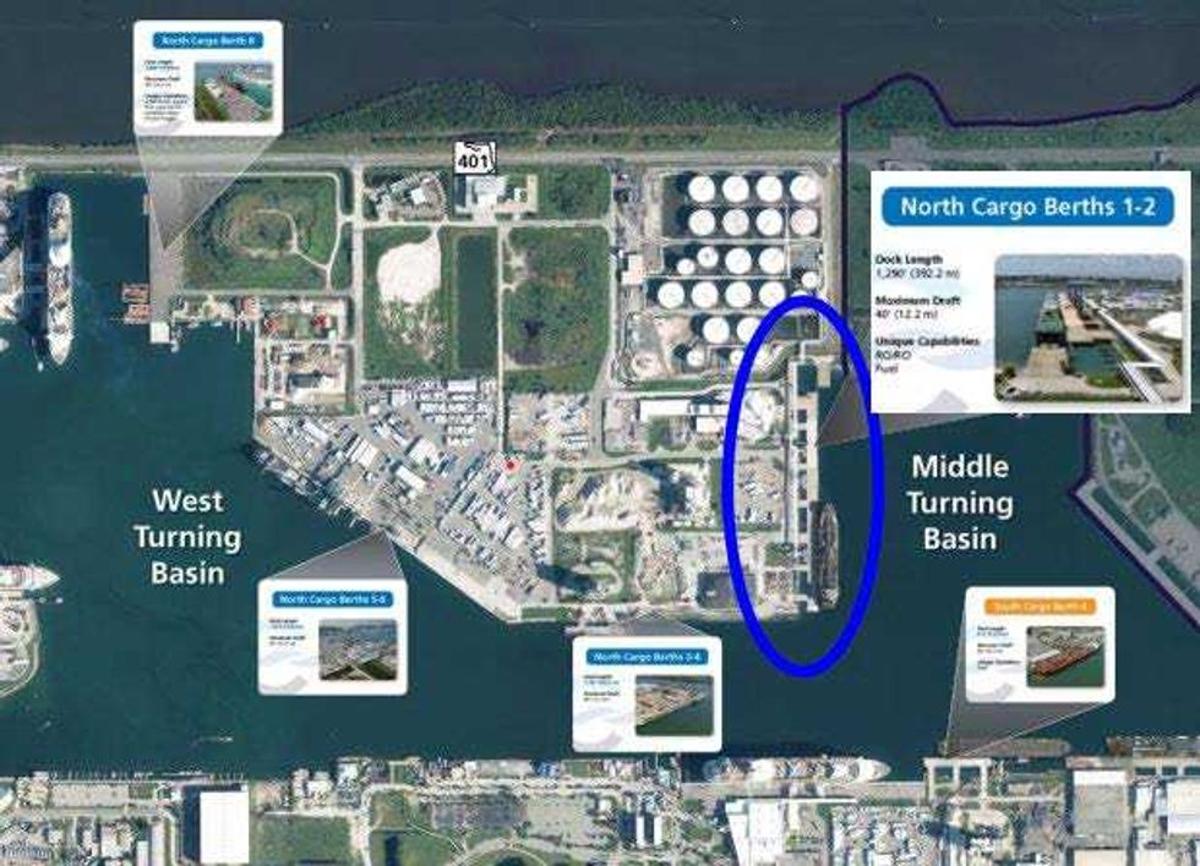
- •Port Canaveral receives $20.21 million to refurbish fuel berths.
- •AAPA’s 18 member ports among awardees, spanning coast to Great Lakes.
- •Construction begins 2027, extending berth life 20‑30 years.
Pulse Analysis
Federal investment in port infrastructure has reached a new peak as the Maritime Administration disburses $774 million to 37 projects nationwide. The Port Infrastructure Development Program, a cornerstone of the FY25 budget, aims to address aging facilities and bottlenecks that have long constrained U.S. trade flows. By targeting a mix of coastal, Great Lakes and inland river ports, the grants reflect a strategic push to diversify logistics corridors and reduce reliance on a handful of congested hubs.
The awarded projects span a broad technology spectrum, from expanding rail tunnels that link ports to inland freight networks, to deploying advanced cargo‑screening systems that bolster national security. Notably, Port Canaveral will receive $20.21 million to upgrade its North Cargo Berths, extending their service life by up to three decades and increasing capacity for fuel shipments that represent over half of the port’s tonnage. Similar two‑tier dock designs and new multimodal terminals promise all‑weather operations and faster turnaround times, directly addressing the capacity gaps highlighted by recent supply‑chain disruptions.
For the broader economy, these upgrades translate into faster, more reliable export and import pathways, lowering transportation costs for manufacturers, farmers and energy producers. Enhanced security measures also mitigate the risk of illicit cargo, aligning with broader maritime safety goals. As construction ramps up in 2027, stakeholders can expect a gradual lift in cargo volumes and a more resilient logistics network, positioning U.S. ports to capture a larger share of global trade in the coming decade.
DOT names 37 port infrastructure projects to receive $774 million in funding
Comments
Want to join the conversation?
Loading comments...