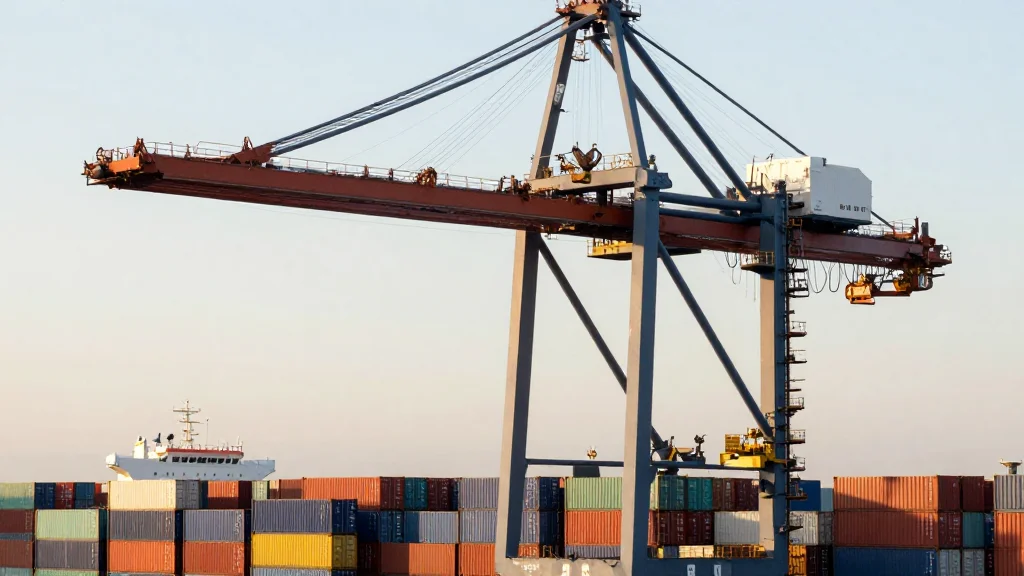
DP World Begins Talks with Corpus Christi for Container Terminal Project
Companies Mentioned
Why It Matters
The deal brings a global terminal operator to a key Gulf Coast hub, boosting U.S. container capacity and supply‑chain resilience. It also signals growing foreign investment in U.S. port infrastructure.
Key Takeaways
- •DP World enters US market via Corpus Christi terminal
- •Exclusive negotiation for long‑term lease to build and operate
- •Adds container capacity to a traditionally bulk‑focused port
- •Strengthens Gulf Coast supply chain resilience and trade diversification
- •Signals increased foreign investment in US port infrastructure
Pulse Analysis
DP World’s pursuit of a container terminal at Corpus Christi reflects the operator’s aggressive global expansion strategy. Already a dominant player in Europe, Asia and the Middle East, DP World has leveraged its expertise in automated terminals and integrated logistics to capture market share in high‑growth regions. By targeting the Gulf Coast, the company aims to tap into a corridor that links North American manufacturers with Asian exporters, filling a gap in its North American footprint and diversifying its revenue streams beyond its traditional hub‑and‑spoke model.
The Port of Corpus Christi, ranked third in the United States by cargo volume, has long been a powerhouse for energy, chemicals and bulk commodities. Introducing a dedicated container facility could transform the port’s cargo mix, attracting import‑export traffic that currently routes through Houston or New Orleans. Enhanced container capacity would lower freight costs for regional shippers, improve turnaround times, and provide a more resilient supply chain for industries ranging from automotive to consumer goods. Moreover, the project aligns with the Texas Economic Development Corporation’s push to modernize port infrastructure and support the state’s growing trade agenda.
From a broader perspective, the DP World‑Corpus Christi partnership underscores a shift toward greater foreign participation in U.S. maritime infrastructure. While domestic investors have traditionally led port development, the infusion of international capital and operational know‑how can accelerate modernization and competitiveness. If successful, the terminal could spur ancillary investments—such as rail interchanges and warehousing—creating jobs and boosting regional GDP. However, the venture must navigate regulatory approvals, labor considerations, and potential competition from existing Gulf ports, making execution as critical as the strategic vision.
DP World begins talks with Corpus Christi for container terminal project
Comments
Want to join the conversation?
Loading comments...