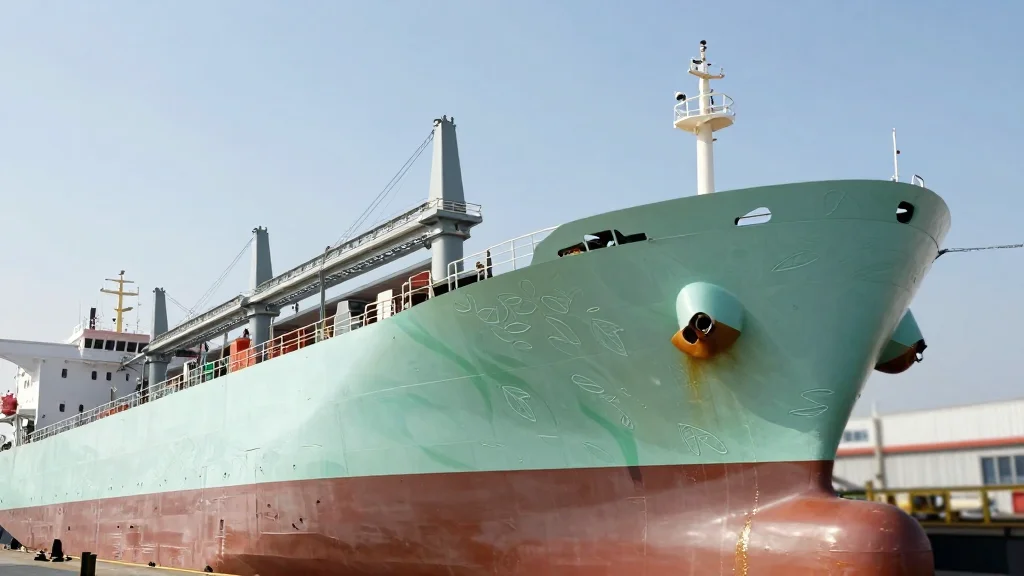
DryDel Expands Japanese Newbuild Spree with Trio of Bulkers
Why It Matters
By securing modern, low‑emission bulkers, DryDel strengthens its competitive edge in a market tightening on sustainability, while reinforcing the strategic reliance on high‑quality Japanese shipbuilding capacity.
Key Takeaways
- •DryDel orders 1 kamsarmax (82,000 dwt) for 2028 delivery.
- •Two ultramaxes (64,000 dwt each) slated for 2029‑2030 delivery.
- •All three vessels meet Tier III Phase 3 environmental standards.
- •Forward orderbook now 11 vessels, >1.2 m dwt capacity.
- •DryDel continues exclusive partnership with Japanese shipyards.
Pulse Analysis
The global dry‑bulk sector is confronting tighter emissions regulations and rising fuel costs, prompting charterers to favor vessels that can deliver cargo efficiently while meeting environmental standards. Japanese shipyards have become a preferred source for such vessels because of their track record in quality construction and advanced “super eco” designs that reduce fuel consumption by up to 15 percent. DryDel’s latest orders, built to Tier III Phase 3 specifications, align with this industry shift toward greener bulk carriers. These efficiencies translate into lower charter rates and reduced carbon footprints for end users.
DryDel Shipping has used this momentum to cement a long‑term fleet strategy that prioritises modern, high‑efficiency tonnage over sheer scale. With an orderbook now totaling 11 vessels and more than 1.2 million dwt, the company can offer charterers a versatile mix of handysize, ultramax and capsize vessels that meet the latest performance benchmarks. The inclusion of an 82,000‑dwt Kamsarmax and two 64,000‑dwt ultramaxes not only diversifies capacity but also provides lower per‑tonne operating costs, strengthening DryDel’s negotiating position in spot and time‑charter markets. The fleet’s upgraded propulsion systems also improve reliability, decreasing downtime during voyages.
The partnership with Japanese yards also insulates DryDel from supply‑chain volatility that has plagued European shipbuilders in recent years. By locking in deliveries through 2030, the firm secures a pipeline of vessels that can be deployed as global demand for bulk commodities rebounds post‑pandemic. Moreover, the Tier III compliance positions the fleet to satisfy forthcoming IMO carbon intensity targets, reducing potential penalties and attracting environmentally conscious charterers. As investors increasingly evaluate ESG metrics, DryDel’s green‑focused build program may enhance its access to capital.
DryDel expands Japanese newbuild spree with trio of bulkers
Comments
Want to join the conversation?
Loading comments...