Dubai Customs Secures Three Global Digital Innovation Accreditations, Boosting Trade Flow

Why It Matters
The accreditations signal a shift toward fully automated customs operations, a development that could reshape regional supply‑chain dynamics. Faster clearance reduces dwell time at ports, which in turn lowers demurrage fees and improves vessel turnaround, benefitting carriers, shippers, and end‑consumers alike. For multinational firms that route cargo through Dubai’s Jebel Ali and Port Rashid facilities, the enhanced digital infrastructure offers a more predictable and transparent trade environment. This predictability can translate into lower working‑capital requirements and more accurate demand forecasting, strengthening the UAE’s appeal as a preferred transshipment hub.
Key Takeaways
- •Dubai Customs earned three Global Innovation Institute accreditations (one Level 3, two Level 2)
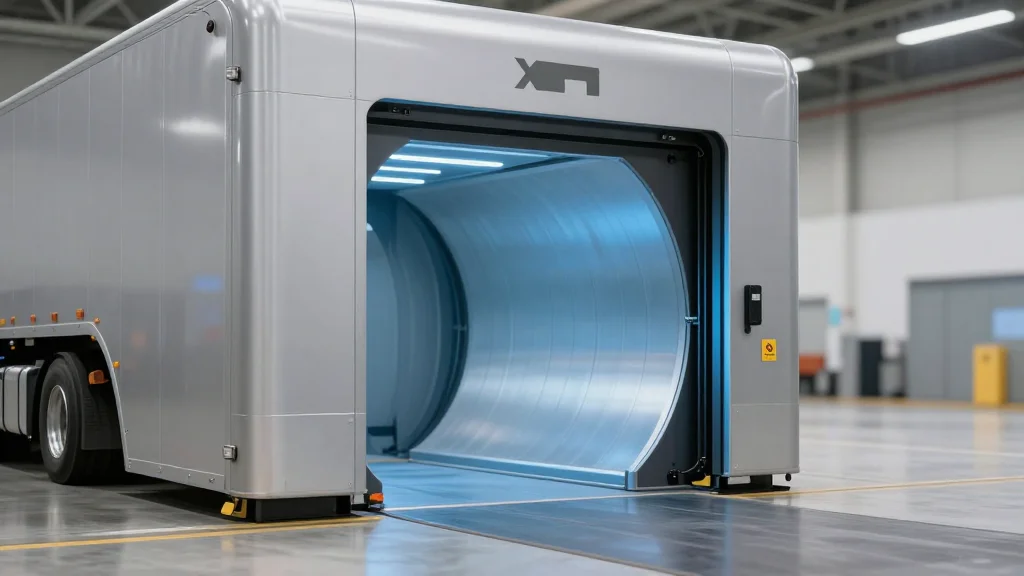
- •Accreditations cover automated vehicle‑clearance, mega X‑ray scanner, and attestation service
- •Level 3 award highlights strategic value for service expansion and sustainability
- •Previous 2023 Excellence Level accreditation made Dubai Customs the first customs authority globally with that honor
- •Future roadmap includes AI risk scoring and blockchain provenance tracking, slated for pilot later 2026
Pulse Analysis
Dubai Customs’ latest accreditations arrive at a moment when global supply‑chain resilience is under intense scrutiny. The pandemic‑induced bottlenecks and recent geopolitical disruptions have forced governments to rethink the speed and transparency of border procedures. By securing a Level 3 classification, Dubai signals that it can not only automate routine tasks but also embed strategic foresight into its operations—something that traditional customs models struggle to achieve.
Historically, customs agencies have been viewed as cost centers rather than value‑adding partners. The shift toward digital‑first services repositions them as enablers of trade efficiency. Dubai’s approach mirrors the broader trend of “customs as a service,” where data analytics, real‑time risk profiling, and interoperable platforms become commodities sold to logistics providers. Competitors such as Singapore’s TradeNet and the EU’s Single Window are also accelerating digital rollouts, but Dubai’s rapid accreditation timeline gives it a competitive edge in attracting high‑value cargo flows.
Looking forward, the real test will be how quickly the agency can integrate its new tools with private‑sector platforms. If Dubai Customs can deliver seamless API connections to major carriers and freight forwarders, it could set a new industry standard for end‑to‑end digitisation. Conversely, failure to achieve interoperability could relegate the accreditations to a symbolic win without measurable impact on trade volumes. The next six months—marked by planned AI and blockchain pilots—will determine whether Dubai’s digital customs ambition translates into tangible supply‑chain benefits.
Dubai Customs Secures Three Global Digital Innovation Accreditations, Boosting Trade Flow
Comments
Want to join the conversation?
Loading comments...