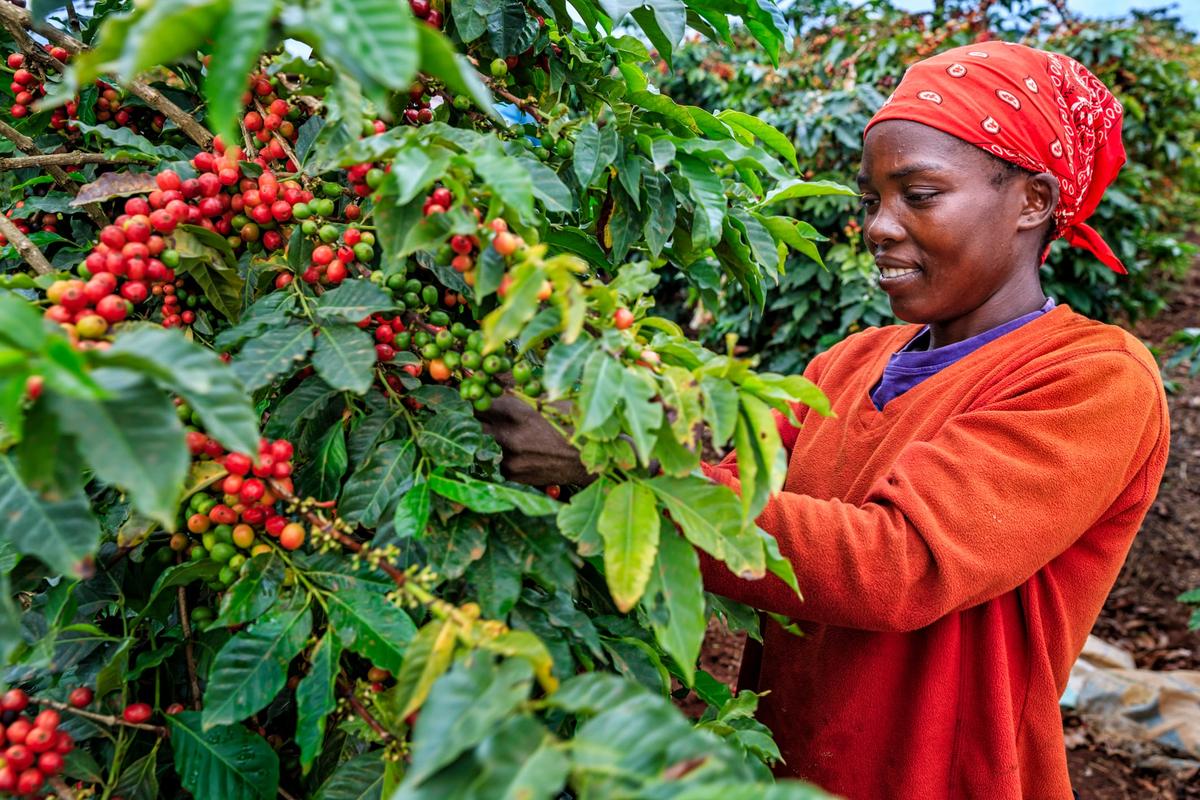
Ebola Strains Coffee Supply Chains, with Smallholders Most at Risk
Why It Matters
The border shutdown threatens the livelihoods of millions of smallholder coffee growers and could tighten global coffee supply, affecting prices. Understanding these risks helps investors and policymakers gauge the resilience of Africa’s coffee trade amid health crises.
Key Takeaways
- •Uganda produces ~7.2 million coffee bags, 90% from smallholders.
- •Border closure with DRC threatens input access and farmer incomes.
- •WHO warns full shutdown harms trade more than disease spread.
- •Past COVID‑19 shocks showed limited impact on export volumes.
- •Fertilizer shortages from Gulf conflict add to farmers’ vulnerability.
Pulse Analysis
Uganda’s coffee sector underpins both the national economy and the global specialty market, delivering roughly 7.2 million bags annually. Smallholder farms dominate production, supplying about nine‑tenths of the crop, while export contracts are typically locked in months ahead, insulating the industry from short‑term demand swings. This structural strength, however, masks a fragile supply chain that relies on cross‑border movement of fertilizers, labor, and logistics services.
The recent Ebola outbreak in the neighboring Democratic Republic of Congo prompted Kampala to seal its western border, a move that immediately curtails the flow of essential inputs such as fertilizer and hampers market access for remote growers. Health authorities, including the WHO, caution that a total shutdown can inflict greater economic damage than the virus itself, a lesson echoed during the COVID‑19 pandemic when similar restrictions strained farmer incomes and heightened food‑security risks. Compounded by existing fertilizer shortages linked to the Gulf conflict, the current shock threatens to erode productivity on farms already operating on thin margins.
Despite these pressures, major exporters like Neumann Kaffee Gruppe report unchanged shipment volumes, reflecting the sector’s reliance on pre‑signed contracts and the inelastic nature of global coffee demand. Nonetheless, prolonged border restrictions could depress local currency values and increase financing costs for farmers, potentially reshaping the cost structure of Ugandan coffee. Stakeholders—from investors to development agencies—must therefore monitor policy responses and support mechanisms that keep trade routes open while safeguarding public health, ensuring the long‑term resilience of Africa’s premier coffee exporter.
Ebola strains coffee supply chains, with smallholders most at risk
Comments
Want to join the conversation?
Loading comments...