Escaping the Strait of Hormuz – Not Worth the Risk
Companies Mentioned
Why It Matters
The seizures and attacks highlight a sharp escalation in maritime security risk, threatening global oil and container flows and driving up insurance and rerouting costs for shippers.
Key Takeaways
- •Two MSC container ships seized by IRGC after disabling AIS.
- •Indian-registered tanker Sanmar Herald and bulker Jag Arnav fired upon.
- •CMA CGM Everglades hit by projectile during brief open window.
- •Over 20,000 seafarers remain stranded in Gulf amid volatile standoff.
- •IMO warns companies against risky Hormuz transits, citing safety concerns.
Pulse Analysis
The ongoing US‑Israel‑Iran confrontation has turned the Strait of Hormuz into a flashpoint for commercial shipping. With Iran maintaining a closure and the US Navy enforcing a blockade, roughly 1,000 vessels are stuck in the Gulf, creating a bottleneck that threatens the timely delivery of oil, liquefied natural gas, and containerized goods. The brief reopening on 17 April sparked a scramble for outbound transits, yet the rapid retaliation—attacks on Indian‑registered vessels and a CMA CGM box ship—demonstrated how quickly the window can close, leaving operators with few safe alternatives.
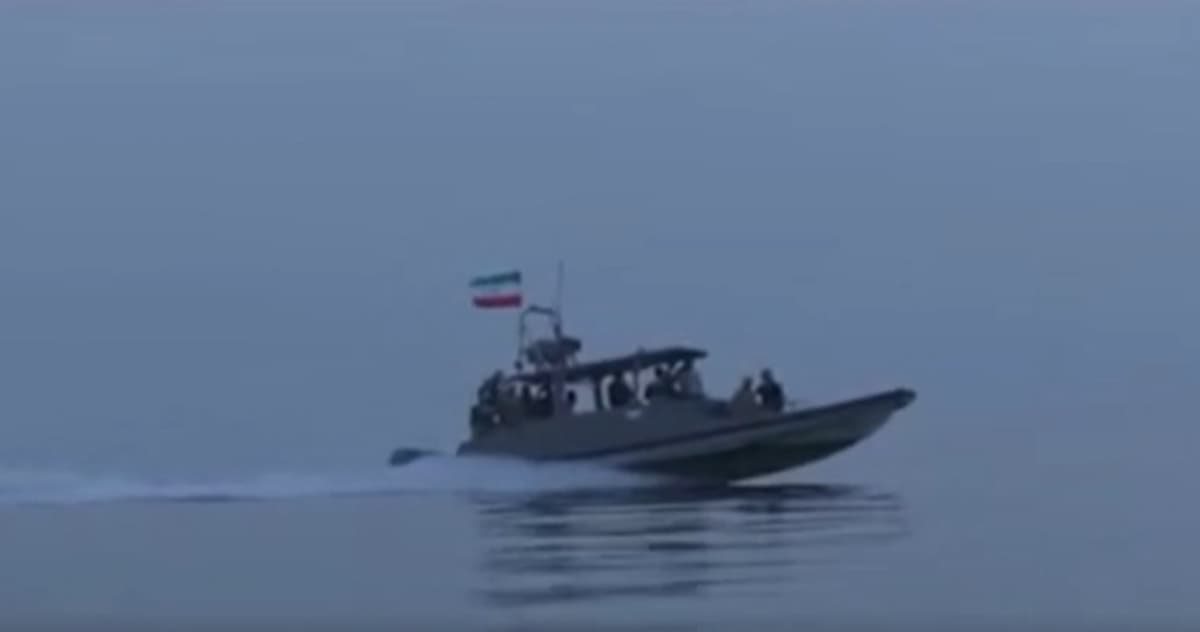
IRGC’s use of fast‑attack boats to swarm and board large merchant ships marks a tactical shift from conventional naval engagements to asymmetric, low‑cost interdiction. By disabling AIS, ship owners hoped to evade detection, but the IRGC’s visual spotting and rapid response still captured MSC Francesca and Epaminondas. These incidents have prompted insurers to reassess war‑risk premiums, with many policies now demanding higher coverage limits or outright exclusions for Hormuz passages. Operators are also revisiting route‑planning tools, weighing the added fuel and time costs of detouring around the Cape of Good Hope against the immediate threat of seizure and potential crew detention.
For the broader supply chain, the heightened risk translates into volatility in freight rates and commodity pricing. Shippers may shift cargo to alternative corridors, such as the Suez or overland pipelines, but capacity constraints and longer transit times will likely inflate costs. The situation underscores the strategic importance of diplomatic de‑escalation; until a durable cease‑fire is secured, the Hormuz corridor will remain a premium‑priced, high‑risk conduit, compelling the industry to invest in real‑time intelligence, robust security protocols, and diversified routing strategies.
Escaping the Strait of Hormuz – not worth the risk
Comments
Want to join the conversation?
Loading comments...