EU Buys 100% of Russian Arctic LNG Just 9 Months Before Planned Gas Ban
•March 9, 2026
0
Why It Matters
The data reveals a gap between EU policy and energy reality, risking sanction credibility and exposing Europe to supply‑price volatility as the 2027 ban approaches.
Key Takeaways
- •EU bought all Yamal LNG cargoes in Feb 2026.
- •1.54 million tonnes delivered across 21 shipments to Europe.
- •Ban on Russian LNG set for Jan 2027.
- •European insurers and ship owners still support Russian LNG.
- •Supply concerns may delay EU ban implementation.
Pulse Analysis
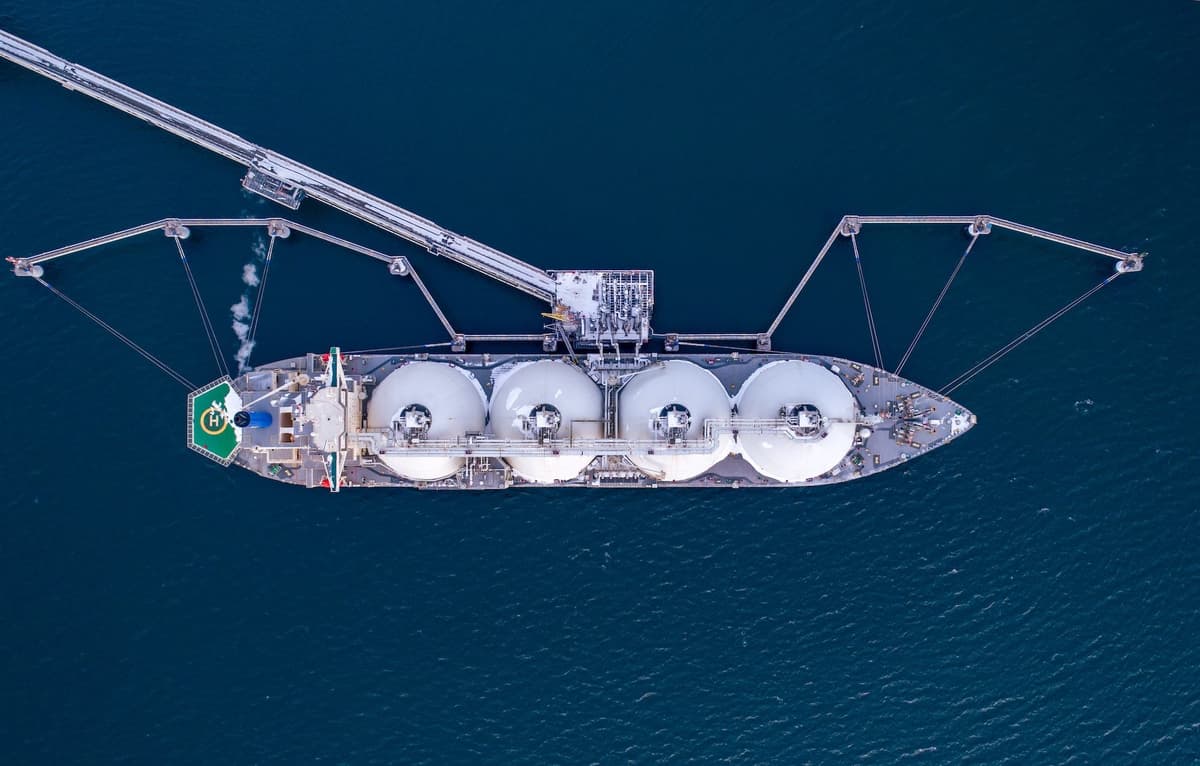
The February 2026 data point highlights how deeply intertwined European energy markets remain with Russia’s Arctic LNG infrastructure. Yamal LNG, equipped with ice‑class carriers and year‑round delivery capability, has become a reliable source for European utilities seeking to hedge against volatile spot prices. Despite five years of sanctions, the EU’s import figures show that market economics still dominate policy rhetoric, especially as the continent grapples with the aftermath of the Ukraine conflict and the lingering effects of the 2022 energy shock.
European maritime logistics play a pivotal role in sustaining the flow of Russian gas to the continent. Shipping companies such as Seapeak and Dynagas, along with European insurers, provide the necessary vessels, insurance coverage, and port services that keep Yamal’s cargoes moving. The absence of sanctions on Arc‑7 ice‑class carriers further removes barriers, allowing Russia to maintain uninterrupted exports. Meanwhile, alternative destinations like China have received virtually no Yamal shipments this year, underscoring Europe’s unique capacity to absorb Arctic LNG volumes.
Policy makers face a delicate balancing act as the 1 January 2027 ban approaches. While the EU publicly champions energy independence, real‑world supply constraints—exacerbated by geopolitical tensions in the Strait of Hormuz and global price spikes—could pressure Brussels to delay or soften the embargo. The situation serves as a case study in how sanctions, market realities, and energy security intersect, reminding stakeholders that effective policy must align with the practicalities of global gas logistics.
EU Buys 100% of Russian Arctic LNG Just 9 Months Before Planned Gas Ban
0
Comments
Want to join the conversation?
Loading comments...