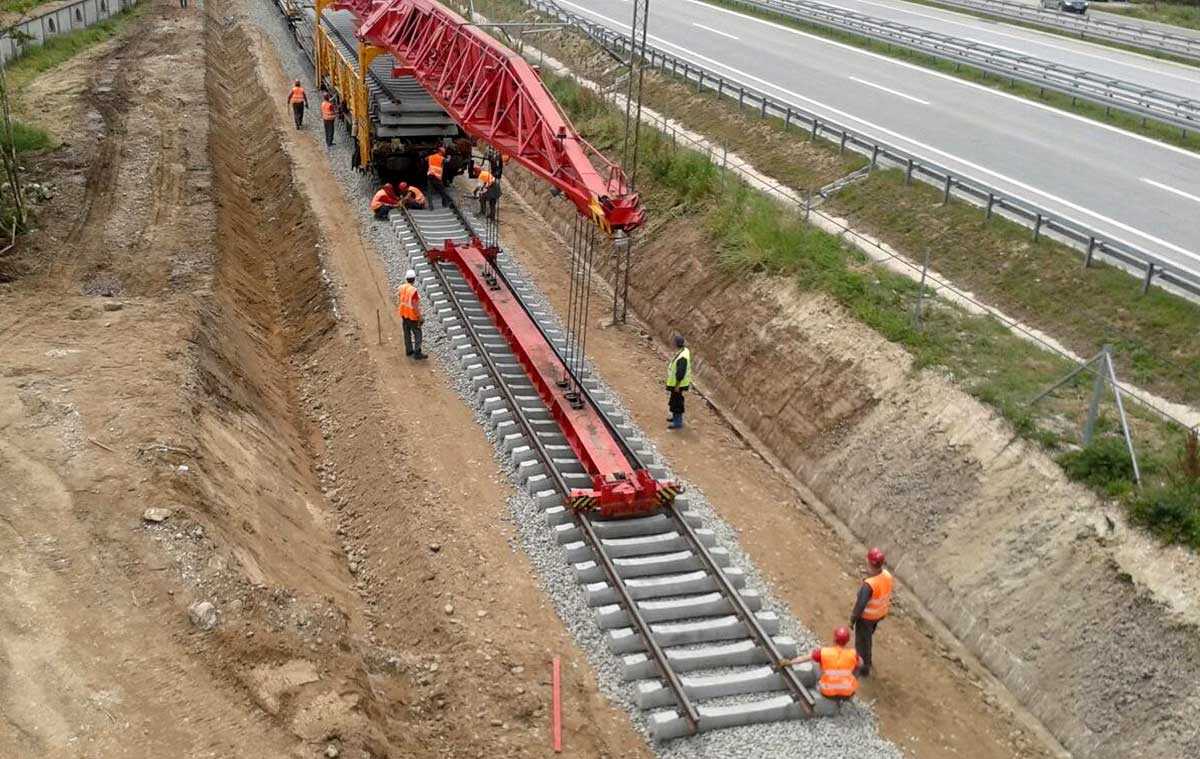
EU Funding, Slow Progress: Railway Projects in the Western Balkans Are Behind Schedule
Why It Matters
Delays erode the EU’s strategy to bind the Western Balkans to the European transport corridor, threatening economic growth and climate‑reduction goals. Ineffective oversight risks squandering billions of euros and undermines confidence in the EU enlargement agenda.
Key Takeaways
- •EU invested €899 million (~$980 M) in WBIF, 86% from Commission.
- •Transport projects start 17 months late, many exceed two‑year implementation delays.
- •Six railway grants approved; three lines remain diesel, limiting emission cuts.
- •Oversight relies on lenders; risk assessments and procurement monitoring are inadequate.
- •Connectivity gaps, e.g., Corridor VIII, reduce overall impact of funded rail lines.
Pulse Analysis
The Western Balkans Investment Framework (WBIF) was created to channel EU grants and international loans into infrastructure that links the region with the broader European transport grid. With an overall EU transport budget of €2.665 billion (approximately $2.9 billion) and €527 million already released, the initiative aims to boost trade, attract investment, and support the EU’s enlargement policy. By improving road, rail, and inland‑waterway corridors, the WBIF is intended to raise GDP, enhance human development, and meet EU climate objectives through greener mobility.
In practice, the European Court of Auditors finds that project execution is lagging. Railway Route 10 in Kosovo, Corridor X in Serbia, and the central segment of Corridor VIII in North Macedonia illustrate chronic delays: approvals arrived before detailed designs were finished, and construction setbacks—such as tunnel collapses and missing electrification—have left diesel trains in operation. Six railway grants totalling €341.6 million (~$372 million) were approved, yet half of the lines remain unelectrified, curbing potential emissions reductions. The average 17‑month start‑up lag and additional two‑year overruns signal systemic weaknesses in project selection and readiness assessment.
Oversight mechanisms compound the problem. The European Commission relies heavily on international financial institutions for monitoring, but audits reveal insufficient risk‑assessment evidence and poor procurement scrutiny. Moreover, the impact metrics—GDP growth, trade volume, and the Human Development Index—are too broad to isolate the benefits of specific corridors. Without granular data on completion rates and EU‑standard compliance, policymakers cannot gauge true returns on investment. Strengthening project maturity checks, demanding comprehensive sustainability analyses, and adopting more precise performance indicators are essential steps to safeguard EU funds and deliver the promised connectivity for the Western Balkans.
EU funding, slow progress: railway projects in the Western Balkans are behind schedule
Comments
Want to join the conversation?
Loading comments...