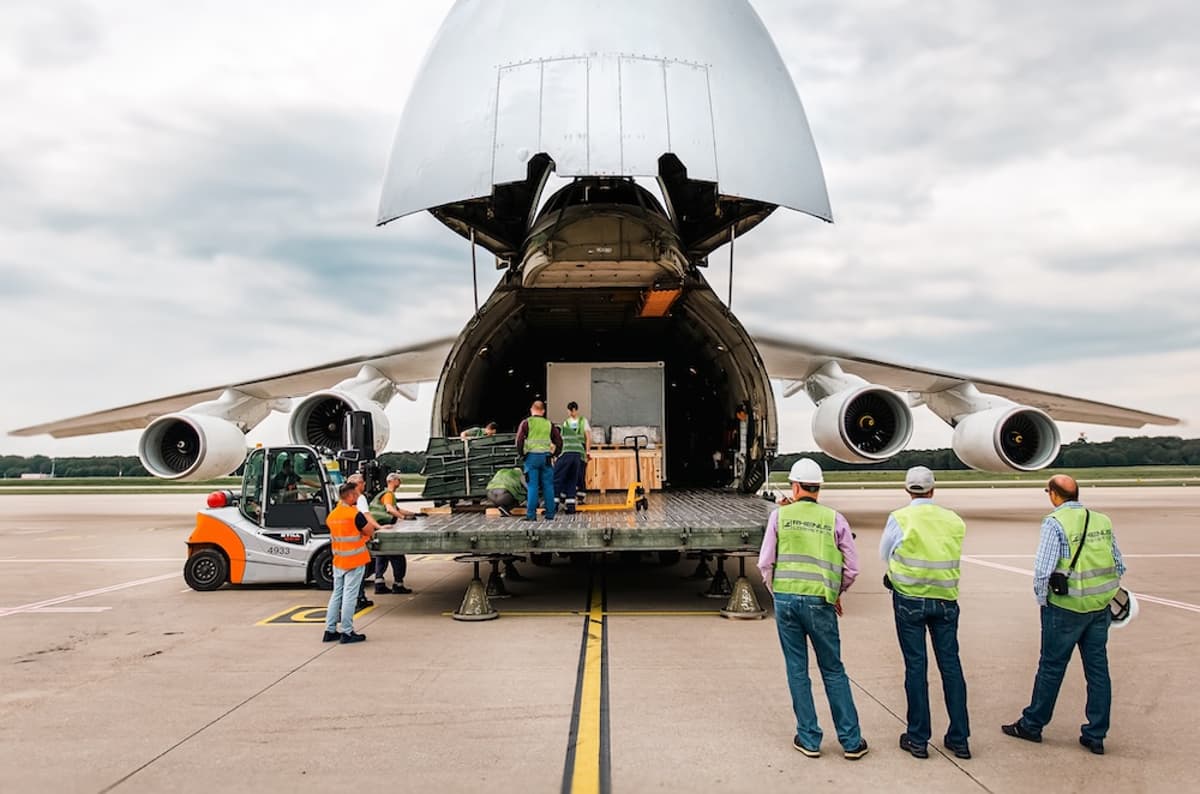
EU–Mercosur Agreement to Drive Shifts in Freight Flows
Why It Matters
The deal reshapes global supply chains by creating new, tariff‑free corridors, forcing logistics providers and shippers to adapt capacity, pricing and regulatory processes.
Key Takeaways
- •EU-Mercosur deal removes tariffs on most goods, boosting trade volumes
- •European machinery, chemicals, pharma to flow via Rotterdam, Hamburg
- •South American agri‑products surge through Santos, Buenos Aires ports
- •Ports, customs and capacity planning face heightened strain
- •Logistics firms must expand multimodal, temperature‑controlled services
Pulse Analysis
The EU‑Mercosur agreement marks a watershed for transatlantic commerce, effectively turning a historically tariff‑laden route into a cost‑competitive corridor. By stripping duties on a broad swath of goods, the pact is set to double the volume of high‑value European exports—machinery, chemicals, pharmaceuticals—while simultaneously amplifying the influx of South American agricultural commodities. This shift not only promises lower landed costs but also reconfigures trade balances, prompting firms to reassess sourcing and distribution strategies across the Atlantic.
For logistics operators, the surge translates into immediate operational challenges. Major European gateways such as Rotterdam and Hamburg must accommodate higher throughput of containerized, often temperature‑sensitive cargo, while South American ports like Santos will see intensified bulk and refrigerated shipments. The increased traffic will strain existing berth capacity, customs processing, and hinterland connections, driving up freight rates and prompting investments in multimodal solutions. Companies will need to enhance visibility, streamline rules‑of‑origin compliance, and expand temperature‑controlled fleets to meet the nuanced handling requirements of the new trade mix.
Even markets outside the agreement, notably the United Kingdom, will feel indirect repercussions. As global shippers reroute volumes to exploit the EU‑Mercosur advantage, capacity constraints and pricing dynamics will ripple through alternative lanes, influencing UK import‑export decisions. Forward‑looking firms are already diversifying routes and bolstering supply‑chain resilience, anticipating that the new trade flow will become a permanent fixture. In the long term, sustained infrastructure upgrades and regulatory harmonisation will be essential to translate tariff relief into predictable, efficient freight movement across the continent.
EU–Mercosur agreement to drive shifts in freight flows
Comments
Want to join the conversation?
Loading comments...