European Road Transport Groups Push Digital Freight Standard
Why It Matters
A unified eCMR standard will speed paperless invoicing, improve cross‑border visibility and lower compliance costs for Europe’s road‑freight sector.
Key Takeaways
- •IRU leads expert group to unify eCMR solutions
- •Vendors FIELDEAS, Pionira, TransFollow join security firm IN Groupe
- •Goal: open, scalable B2B standard compliant with CMR and eFTI
- •Live testing begins later this year with real‑world users
- •Interoperability aims to cut paperwork and speed cross‑border freight
Pulse Analysis
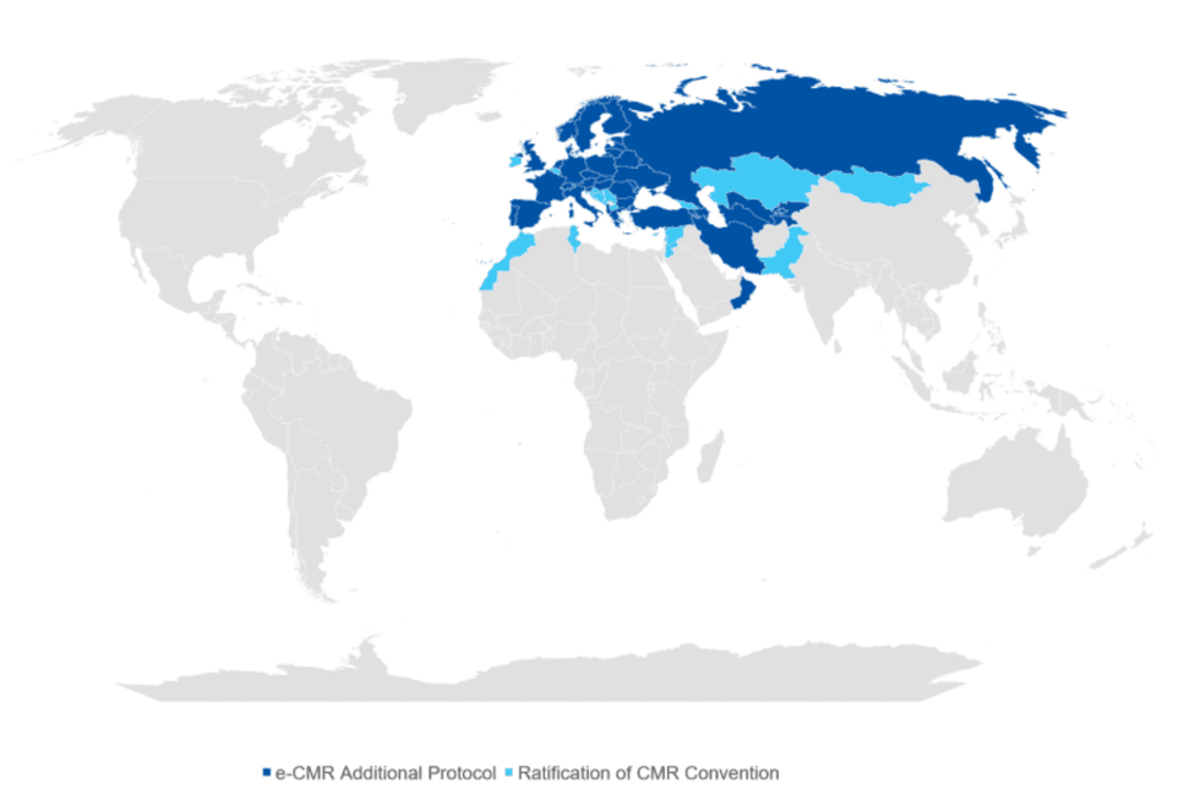
The CMR Convention, first signed in 1956, has long provided a uniform legal framework for international road transport, but its reliance on paper documents has become a bottleneck in today’s digital supply chains. As Europe pushes toward a paperless logistics ecosystem, the eCMR protocol offers a modern alternative that can integrate with emerging digital freight initiatives such as the EU’s electronic Freight Transport Information (eFTI) system. By digitizing consignment notes, eCMR promises faster invoicing, real‑time tracking, and greater regulatory transparency.
To turn that promise into industry reality, the International Road Transport Union (IRU) convened an expert group that blends technology providers, security specialists and freight‑forwarding representatives. Members like FIELDEAS, Pionira, TransFollow and IN Groupe bring diverse technical solutions, while FIATA adds the perspective of forwarders and shippers. Their collective goal is to craft an open, interoperable B2B standard that adheres to UN functional specifications and can be adopted across borders without proprietary lock‑ins. The group’s roadmap includes a pilot phase later this year, during which real‑world users will validate data exchange protocols and security models.
If successful, the interoperable eCMR standard could reshape European road logistics by eliminating manual paperwork, reducing processing times, and cutting operational costs for carriers and freight forwarders alike. Greater data consistency will also enable regulators to monitor compliance more efficiently, supporting the EU’s broader digital freight agenda. As more vendors join the initiative, the standard may become a global reference, encouraging wider adoption beyond Europe and accelerating the industry’s shift toward fully digital, end‑to‑end freight documentation.
European road transport groups push digital freight standard
Comments
Want to join the conversation?
Loading comments...