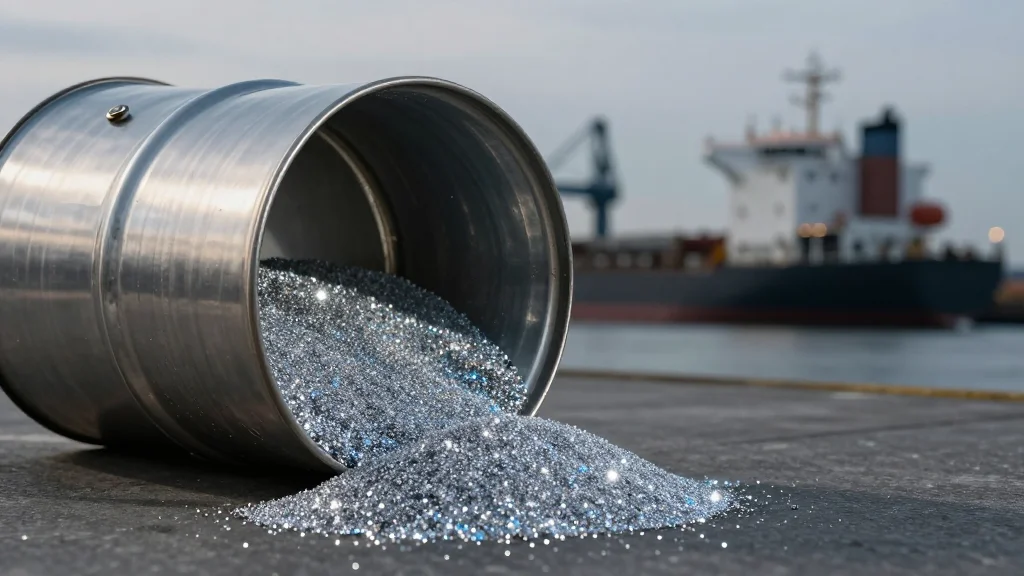
European Union Targets Tungsten, Rare Earths Stockpile to Counter China’s Grip
Why It Matters
By securing strategic reserves, the EU seeks to safeguard key defence and clean‑energy supply chains from potential Chinese export restrictions, strengthening its economic and security autonomy.
Key Takeaways
- •EU adds tungsten, rare earths, gallium to first critical mineral stockpile
- •Stockpile aims to shield defence, semiconductor, and clean‑energy sectors
- •Rotterdam port selected as primary storage hub for European reserves
- •EU dependence on China for processed magnets exceeds 90 %
- •Western allies also building reserves to diversify critical mineral supply chains
Pulse Analysis
The European Union’s decision to create a coordinated stockpile of tungsten, rare earths and gallium marks a decisive step in confronting China’s near‑monopoly over critical mineral processing. These materials underpin everything from missile guidance systems to electric‑vehicle motors, and their concentration in Chinese hands has become a strategic vulnerability for NATO members. By earmarking a reserve, the EU not only hedges against abrupt export curbs but also signals to global markets that Europe is willing to invest in alternative sourcing, recycling and domestic processing capabilities.
Logistics are a crucial piece of the puzzle. The Port of Rotterdam, Europe’s busiest gateway for industrial cargo, is being positioned as the central depot for the stockpile, offering secure, high‑capacity storage and rapid distribution across the continent. Alongside tungsten and rare earths, the EU is evaluating magnesium, germanium and graphite—materials that feature on NATO’s defence‑critical list. This alignment with defence priorities underscores the dual‑use nature of the minerals, linking civilian clean‑energy ambitions with military readiness. The involvement of Italy, France and Germany in planning groups reflects a coordinated, multilateral approach that could serve as a model for other allied nations.
The broader implication is a shift from market‑driven supply chains toward more proactive, state‑backed industrial policy. The United States, Japan and South Korea have already launched similar reserve programs, recognizing that supply‑side security is as vital as demand‑side innovation in the race for decarbonisation and technological leadership. As the EU grapples with permitting delays on domestic projects, strategic reserves provide a short‑term buffer while longer‑term solutions—such as new mines, recycling infrastructure, and diversified import agreements—take shape. Ultimately, the stockpile initiative could recalibrate global mineral trade dynamics, reducing China’s leverage and fostering a more resilient, multipolar supply ecosystem.
European Union targets tungsten, rare earths stockpile to counter China’s grip
Comments
Want to join the conversation?
Loading comments...