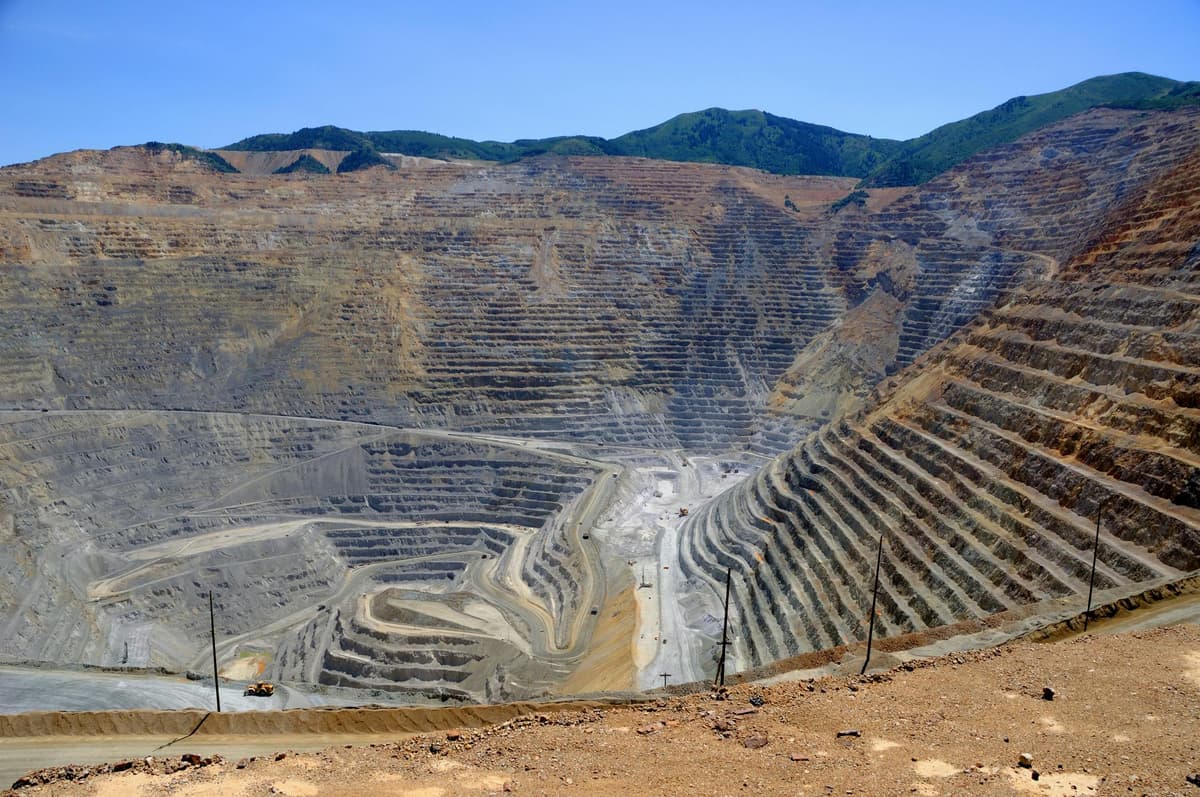
Expanded US Mining Would Boost Manufacturing's Material Possibilities
•February 23, 2026
0
Why It Matters
A reliable domestic source of strategic metals reduces geopolitical risk and lowers material costs, accelerating innovation across aerospace, additive manufacturing and semiconductor sectors. This shift could reshape supply chains and create new market opportunities for U.S. producers and downstream manufacturers.
Key Takeaways
- •Domestic mining targets cobalt, copper, scandium, gallium, germanium
- •Stable supply enables new alloy development for aerospace, electronics
- •Aluminum‑scandium alloys could rival titanium strength‑to‑weight
- •Additive manufacturing benefits from cheaper cobalt and copper alloys
- •Supply shift requires R&D to validate new material performance
Pulse Analysis
The recent approval of the Ambler Road Project in Alaska, the revival of the Mountain Pass rare‑earth facility in California, and new scandium extraction pilots in Pennsylvania and Nebraska signal a coordinated federal push to domestic‑source critical metals. After years of dependence on imports from politically volatile regions, policymakers are betting that home‑grown supply will close a strategic gap in the U.S. industrial base. These projects aim to produce not only cobalt and copper but also niche elements like gallium, germanium and scandium, which are essential for next‑generation technologies.
For manufacturers, a steady flow of these elements reshapes the economics of alloy design. Cobalt‑based superalloys, once limited by price volatility, become viable for broader turbine and aerospace applications, while affordable copper powders unlock new possibilities in printable components for rockets and high‑performance bearings. Perhaps the most disruptive prospect lies in aluminum‑scandium alloys: a modest scandium addition can lift aluminum’s strength‑to‑weight ratio to rival titanium, enabling lighter airframes and electric‑vehicle structures. With supply risk mitigated, engineering teams can prioritize performance gains over cost‑avoidance, accelerating material innovation cycles.
Realizing these material gains, however, requires coordinated R&D and supply‑chain partnerships. Companies will need to validate new compositions, certify additive‑manufacturing processes, and establish recycling loops for rare‑metal scrap. Government incentives and industry consortia—mirroring Brazil’s niobium‑alloy programs—could catalyze collaborative testing and accelerate market adoption. If the domestic mining pipeline delivers at scale, the United States could reduce its reliance on foreign critical metals, lower production costs, and spur a new wave of high‑performance products across aerospace, defense and semiconductor sectors.
Expanded US Mining Would Boost Manufacturing's Material Possibilities
0
Comments
Want to join the conversation?
Loading comments...