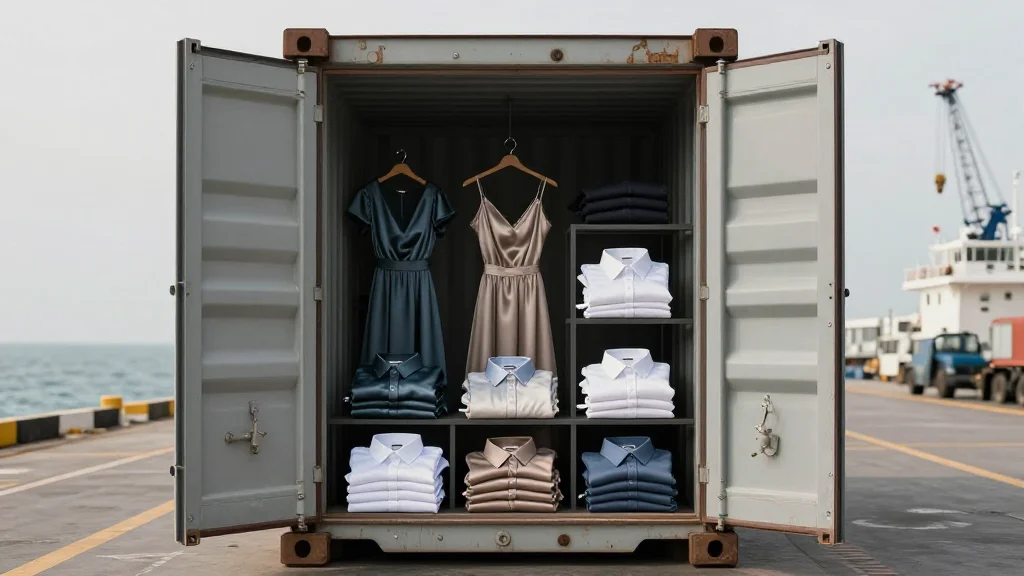
Fallout of Middle East Conflict Continues for Fashion Retail
Why It Matters
Supply‑chain disruptions and waning consumer sentiment directly threaten revenue growth for apparel companies, forcing strategic pivots that could reshape the industry’s sourcing landscape.
Key Takeaways
- •Shipping routes through the Red Sea face delays and higher costs.
- •Raw material prices rise due to regional instability and oil price spikes.
- •Retailers postpone new collections, trimming inventory to protect cash flow.
- •Consumer confidence dips, reducing discretionary spend on apparel.
- •Brands explore nearshoring to Europe or North Africa to diversify sourcing.
Pulse Analysis
The escalation of the US‑Israel war with Iran has sent ripples through global trade arteries, most notably the Red Sea corridor that feeds the Suez Canal. Container ships now face longer transit times, heightened insurance premiums, and rerouting costs that cascade into higher landed prices for fashion goods. Analysts estimate that freight rates on key routes have risen by 15‑20 percent since the conflict intensified, squeezing margins for brands already grappling with inflationary pressures.
For fashion retailers, the supply‑chain shock translates into tighter raw‑material markets and production bottlenecks. Cotton and synthetic fibers sourced from the Middle East and North Africa are seeing price spikes, while Asian manufacturers confront longer lead times and increased freight expenses. Companies are responding by delaying seasonal launches, scaling back inventory, and accelerating digital inventory‑management tools to avoid overstock. Some firms are fast‑tracking diversification, scouting alternative factories in Eastern Europe and North Africa to reduce reliance on volatile routes.
Consumer confidence, already fragile from broader economic headwinds, is further dampened by geopolitical uncertainty. Surveys indicate a measurable dip in discretionary apparel spending, prompting retailers to emphasize value‑oriented collections and promotional tactics. Strategic moves such as nearshoring, flexible sourcing contracts, and investment in e‑commerce fulfillment networks are emerging as risk‑mitigation playbooks. The fashion sector’s ability to adapt to these disruptions will be a key determinant of its resilience and growth trajectory in the coming years.
Fallout of Middle East conflict continues for fashion retail
Comments
Want to join the conversation?
Loading comments...