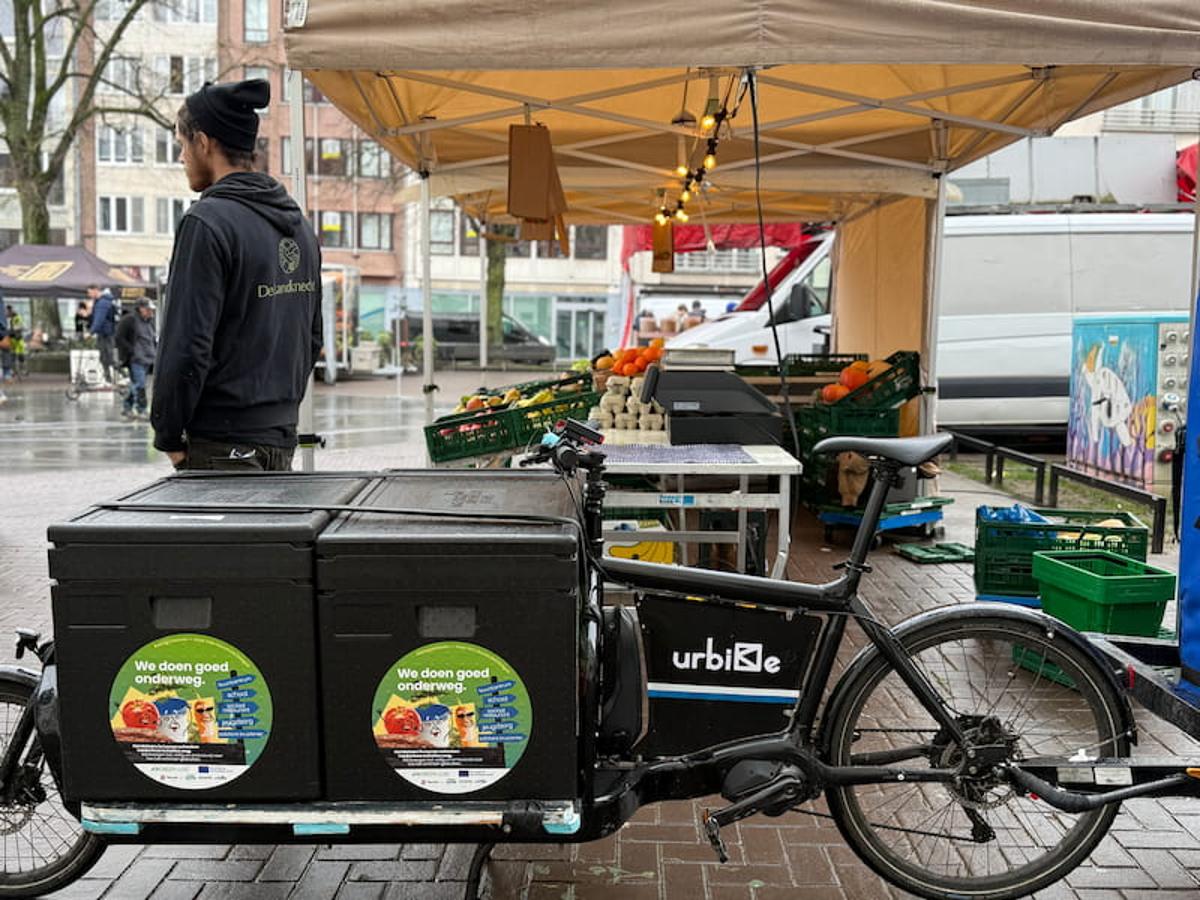
“Faster, Smarter, and More Sustainable”: Leuven Collects ‘Instant’ Food Surpluses
Why It Matters
Rapid, low‑carbon food‑rescue logistics cuts waste, lowers emissions, and strengthens social safety nets, showing a replicable pathway for sustainable urban freight.
Key Takeaways
- •Cargo bikes completed 66 pickups, delivering 354 food bins.
- •Pilot cut ~1.1 tons CO2 by avoiding diesel trips.
- •Ten retailers and 11 charities participated in the pilot.
- •Volume volatility limited logistical efficiency and scaling potential.
- •Partners plan three‑year model to secure scale and courier pay.
Pulse Analysis
Food waste remains a pressing urban challenge, with surplus items often perishing before traditional charities can intervene. GREEN‑LOG tackled this by pairing a digital matching platform with cargo‑bike couriers, creating a nimble network that can respond to last‑minute pickups after store hours. The pilot’s 66 trips demonstrated that small‑scale, electric‑assisted freight can move hundreds of bins quickly, turning otherwise discarded produce, meat, and fish into nutritious donations for local shelters. This approach aligns with circular‑economy principles, turning waste into social value while keeping streets quieter and cleaner.
Environmental benefits were immediate. By substituting 189 kilometers of diesel‑fuelled trucks, the project avoided roughly 1.1 tons of CO₂—a tangible reduction for a city of Leuven’s size. Moreover, preventing food from entering landfills curbed methane emissions, a potent greenhouse gas. The social impact was equally notable: eleven organisations received fresh, often higher‑value items, enhancing the quality of aid they could provide. However, the pilot also exposed structural hurdles: surplus volumes fluctuated daily, making route consolidation difficult, and existing platforms like Too Good To Go already siphoned a portion of available food, limiting scale.
Looking ahead, the consortium’s three‑year expansion plan aims to stabilize supply, secure funding for couriers, and integrate more retailers into the network. By formalising compensation structures, the model seeks financial sustainability while preserving its low‑carbon ethos. If successful, this blueprint could be exported to other European cities, offering municipalities a scalable, eco‑friendly alternative to traditional waste‑collection trucks. The initiative underscores how technology‑enabled, micro‑logistics can simultaneously address climate goals, food insecurity, and urban congestion, setting a new standard for sustainable supply‑chain innovation.
“Faster, smarter, and more sustainable”: Leuven collects ‘instant’ food surpluses
Comments
Want to join the conversation?
Loading comments...