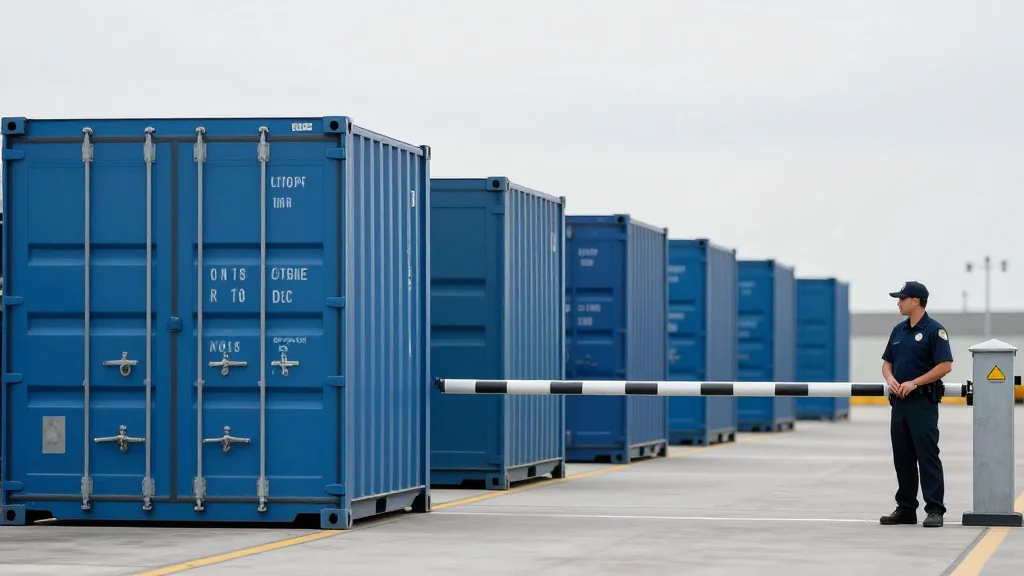
FedEx, UPS and DHL Detail Tariff Refund Approach for Customers
Why It Matters
Refunds restore cash flow for importers and demonstrate how major logistics firms can mitigate regulatory fallout, reinforcing confidence in U.S. trade infrastructure.
Key Takeaways
- •FedEx, UPS, DHL will refund defunct IEEPA tariffs to original payors
- •CBP’s new system processes refunds within 60‑90 days after claim acceptance
- •Over 55,000 parties filed 4 million claims on launch day
- •Carriers act as customs brokers, filing claims on customers’ behalf
Pulse Analysis
The International Emergency Economic Powers Act tariffs, imposed during the Trump administration, created a sizable, unexpected cost burden for U.S. importers. With the tariffs now rescinded, the U.S. Customs and Border Protection introduced a dedicated refund platform to streamline the reimbursement process. This system, designed to handle entries liquidated in the prior 80 days, marks a significant shift toward greater transparency and efficiency in customs administration, offering a clear path for reclaiming duties that were never meant to be permanent.
FedEx, UPS and DHL Express have each pledged to act as customs brokers for their clients, automatically filing refund claims and, once CBP disburses the funds, returning them to the original payors. The carriers estimate a 60‑90 day turnaround from claim acceptance to refund issuance, a timeline that aligns with CBP’s stated processing window. By taking on the administrative burden, the logistics providers reduce the operational overhead for importers, who can now focus on core supply‑chain activities rather than navigating complex customs paperwork.
The broader impact extends beyond immediate cash‑flow relief. Restoring these funds improves balance‑sheet health for thousands of businesses, potentially accelerating inventory replenishment and supporting downstream economic activity. Moreover, the coordinated effort underscores a growing trend of logistics firms offering value‑added services that bridge regulatory gaps. As CBP refines its digital refund platform, importers can expect more streamlined interactions with customs, setting a precedent for future policy reversals and reinforcing the United States’ reputation as a resilient trade hub.
FedEx, UPS and DHL detail tariff refund approach for customers
Comments
Want to join the conversation?
Loading comments...