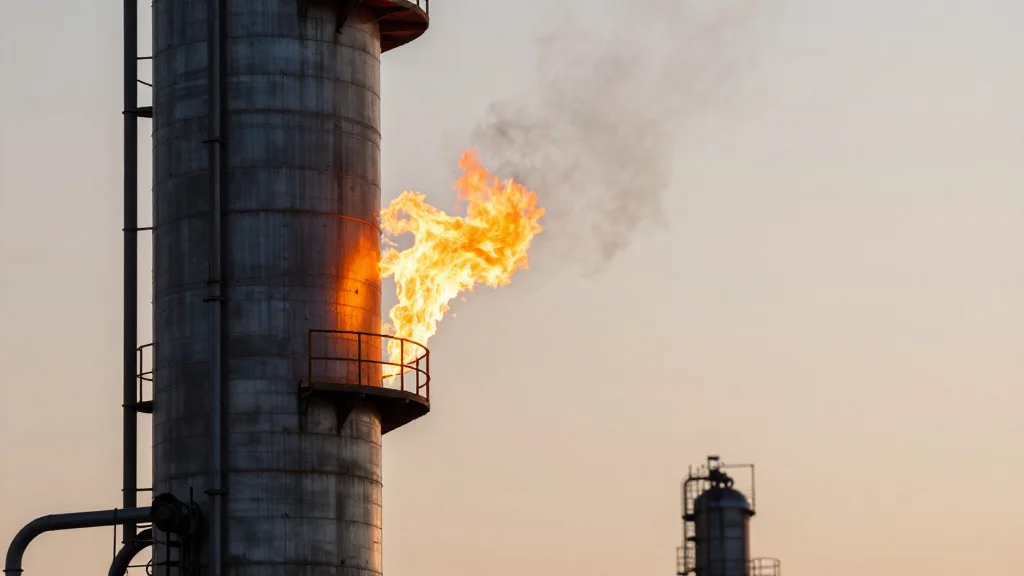
Fire at Viva Energy's Corio Refinery Threatens 10% of Australia's Fuel Supply

Companies Mentioned
Why It Matters
The Corio refinery fire highlights the fragility of Australia’s fuel supply chain, where a single incident can affect a sizable share of national consumption. With 80% of refined products imported, any domestic shortfall forces reliance on volatile global markets, raising the risk of price spikes and supply gaps during peak demand periods. The event also puts pressure on policymakers to reassess the strategic value of maintaining a more diversified and resilient refining capacity. Beyond immediate fuel availability, the outage could ripple through logistics, transport, and industrial sectors that depend on steady diesel and jet fuel supplies. Prolonged disruptions may trigger broader economic consequences, from increased freight costs to reduced airline operations, underscoring the need for robust contingency planning in the supply chain.
Key Takeaways
- •Fire broke out at Viva Energy’s Corio refinery on Wednesday night, halting two petrol units.
- •The plant processes up to 120,000 barrels per day and supplies about 10% of Australia’s fuel.
- •Energy Minister Chris Bowen warned of potential fuel shortages and emphasized careful management.
- •CEO Scott Wyatt said overseas imports could offset the shortfall, but domestic petrol output remains uncertain.
- •Australia imports roughly 80% of refined fuel, making the two‑refinery system highly vulnerable.
Pulse Analysis
The Corio incident serves as a stark reminder that Australia’s fuel security hinges on a minimal domestic processing footprint. Historically, the nation has relied on a modest refining base, supplementing demand with imports from Asia and the Middle East. This model worked during periods of stable global supply, but the current geopolitical climate—marked by tensions in the Middle East and tightening maritime routes—has amplified the risk of external shocks. The fire’s timing, coinciding with seasonal demand increases, could exacerbate price volatility, especially if the Lytton refinery faces its own operational challenges.
From a strategic perspective, the outage may accelerate calls for investment in additional refining capacity or alternative fuel production, such as bio‑fuels or hydrogen, to diversify the supply mix. Private investors could see an opening for modular, low‑carbon refineries that can be deployed more quickly than traditional large‑scale plants. Meanwhile, the government’s response—potentially including temporary import waivers or strategic stock releases—will be scrutinized for effectiveness and speed.
In the short term, market participants are likely to hedge against supply risk, pushing up futures prices for diesel and gasoline. Retailers may also adjust inventory policies, leading to higher on‑pump prices for consumers. Over the longer horizon, the incident could reshape policy debates around energy independence, prompting a reassessment of the balance between import reliance and domestic production resilience.
Fire at Viva Energy's Corio Refinery Threatens 10% of Australia's Fuel Supply
Comments
Want to join the conversation?
Loading comments...