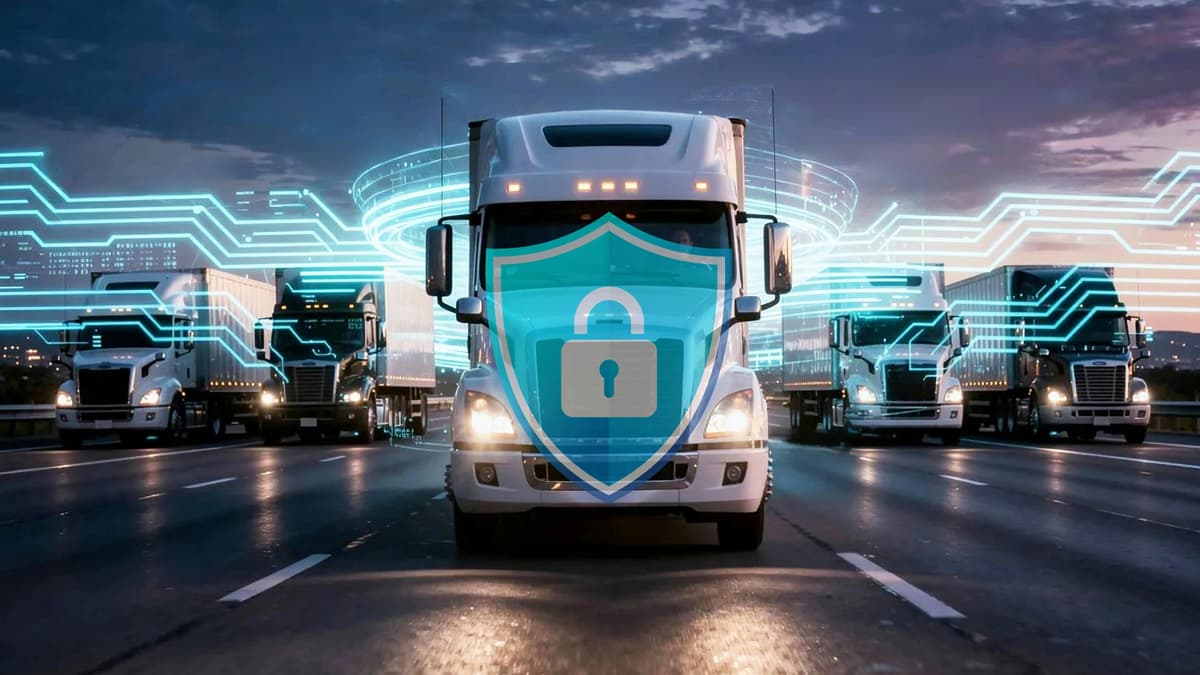
Fleets Explained: How Cybersecurity Threats Impact Trucking Operations
Why It Matters
A breach can immobilize an entire fleet, causing costly delays and reputational damage, making cybersecurity a strategic imperative for logistics operators.
Key Takeaways
- •Cyberattacks on transportation rose 186% from June 2020‑2021
- •Ransomware, phishing, DDoS, MITM, and brute‑force top fleet threats
- •MFA, regular audits, and patch management cut breach risk
- •Incident response plans should include password resets and server isolation
- •Downtime from attacks directly reduces revenue and damages brand reputation
Pulse Analysis
The trucking industry’s rapid digital transformation—driven by telematics, electronic logging devices, AI‑powered routing and emerging autonomous technologies—has created unprecedented operational visibility but also a sprawling attack surface. As fleets become data‑rich, cybercriminals have intensified their focus, reflected in FBI figures that show cyber‑crime complaints more than doubling since 2018 and a 186% spike in transportation‑specific attacks between mid‑2020 and mid‑2021. This surge is not isolated; it mirrors broader trends where AI tools both empower attackers and complicate defense, prompting regulators and insurers to scrutinize fleet cybersecurity readiness.
When ransomware encrypts a fleet’s dispatch software or a DDoS flood overwhelms a telematics platform, the immediate fallout is halted deliveries, spoiled cargo and missed delivery windows. The ripple effect extends to supply‑chain partners, eroding trust and inflating freight costs. Financially, each hour of downtime can translate into thousands of dollars in lost revenue, while data breaches expose sensitive customer and carrier information, inviting legal penalties and brand erosion. The cumulative impact underscores why cyber resilience is now a core component of operational risk management for carriers of all sizes.
Mitigation hinges on a layered security posture. Regular vulnerability audits, enforced multifactor authentication, and automated patch management close the most common gaps exploited by attackers. Comprehensive employee training equips drivers and dispatch staff to spot phishing lures, while a documented incident‑response playbook—detailing steps such as immediate server isolation, password rotation and secure backup restoration—shortens recovery time. As industry bodies push for standardized cybersecurity frameworks and insurers adjust premiums based on cyber hygiene, forward‑looking fleets that embed these practices will safeguard uptime, protect margins, and maintain competitive advantage.
Fleets Explained: How cybersecurity threats impact trucking operations
Comments
Want to join the conversation?
Loading comments...