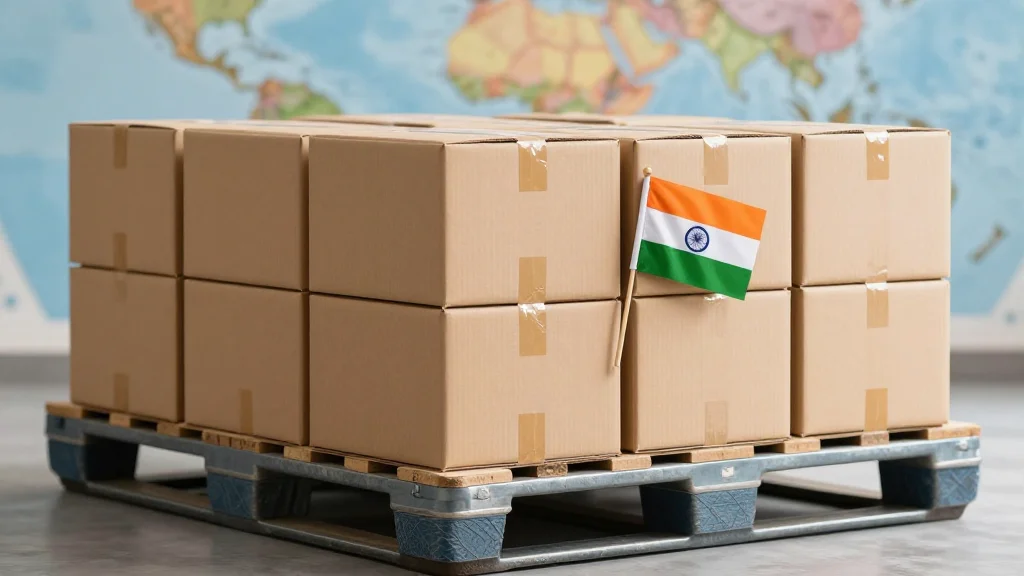
For FDI, E-Comm Exports Must Be in Separate Cart
Companies Mentioned
Why It Matters
Enabling FDI in export‑focused inventory opens capital for Indian SMEs and strengthens the country’s export pipeline, helping offset recent U.S. tariff pressures. The reforms also create clearer tax and compliance frameworks, encouraging more global buyers to source from India.
Key Takeaways
- •India may allow FDI in e‑commerce inventory for export only
- •Separate warehouses required to keep export stock distinct from domestic
- •Reform removes Rs 10 lakh (~$12k) cap per courier consignment
- •SME exporters could tap $4‑5 bn annual e‑commerce export market
- •Government seeks GST refunds and end‑to‑end export tracking safeguards
Pulse Analysis
India’s e‑commerce market has surged to become one of the world’s fastest‑growing digital retail ecosystems, projected to hit $150 billion by 2026. Yet, the existing foreign direct investment (FDI) framework barred overseas capital in inventory‑based models, limiting the ability of small and medium enterprises (SMEs) to scale cross‑border sales. By removing the Rs 10 lakh (about $12,000) per‑courier cap and proposing a separate export‑focused entity, the government is aligning policy with the sector’s export potential, estimated at $4‑5 billion annually, while preserving the domestic market for local retailers.
The reform package introduces physical segregation of inventory, mandating distinct warehouses for goods destined for overseas customers. This safeguard addresses concerns that foreign‑owned stock could be diverted to the domestic market, violating FDI rules. Coupled with end‑to‑end tracking, GST refund mechanisms, and duty remission provisions, the measures aim to create a transparent, compliant export pipeline. The timing is strategic: recent U.S. tariff actions have squeezed Indian exporters, and a clear, tariff‑resilient pathway could help mitigate those pressures.
Looking ahead, the policy could unlock significant foreign capital for Indian e‑commerce platforms, enabling technology upgrades, logistics enhancements, and broader market reach. SMEs, which represent roughly 70 % of online sellers, stand to gain access to new financing and global distribution channels, potentially accelerating export growth beyond current levels. If the pilot proves successful, India may set a benchmark for emerging economies seeking to balance FDI attraction with domestic market protection, reinforcing its position as a key player in global e‑commerce trade.
For FDI, E-comm exports must be in separate cart
Comments
Want to join the conversation?
Loading comments...