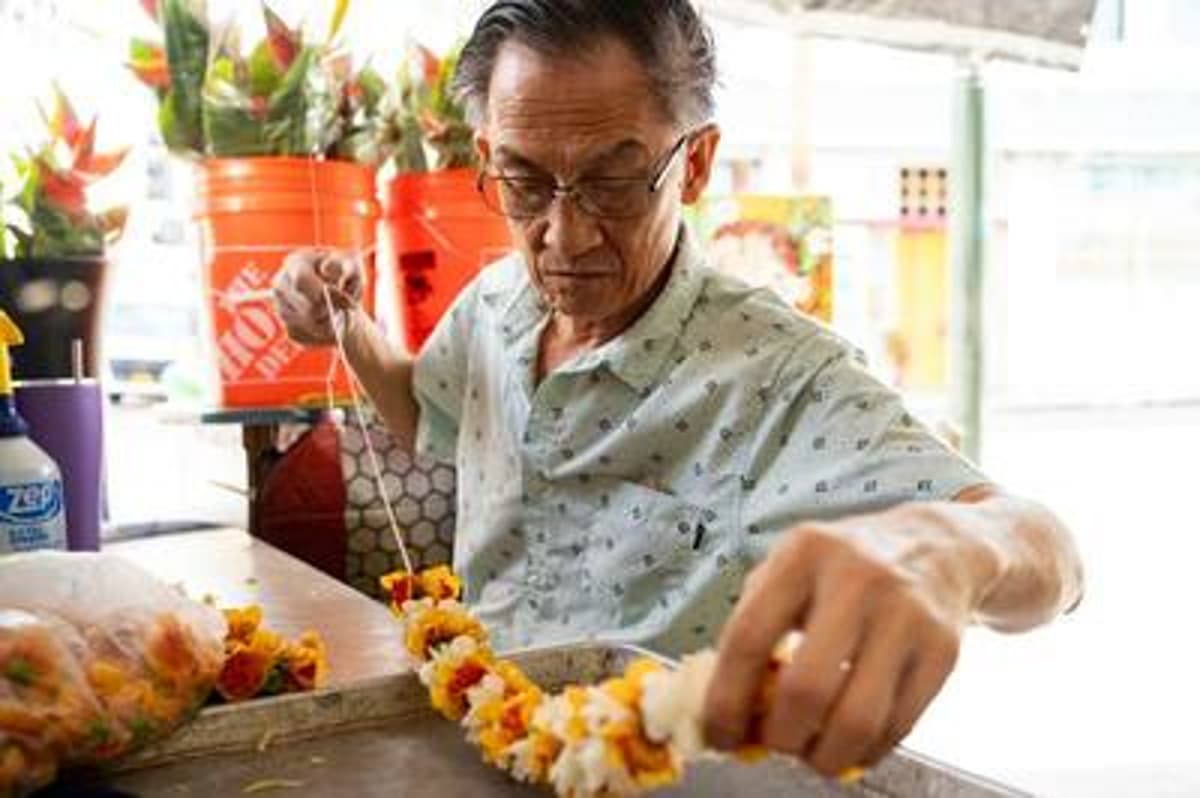
Fragrant Flower Lei, Synonymous with Hawaii, Face Competition From Cheaper Imports
•March 11, 2026
0
Why It Matters
The debate pits cultural preservation against economic realities, influencing tourism revenue, local agriculture, and state procurement budgets.
Key Takeaways
- •Majority of purple lei orchids imported from Thailand
- •Proposed bills aim to label and prioritize local flowers
- •Restrictions could raise lei prices to $150+ per strand
- •Local growers face seasonal shortages, especially winter tuberose
- •State agencies buying lei influence market demand
Pulse Analysis
The lei is more than a decorative garland; it is a living symbol of aloha that permeates Hawaiian ceremonies, graduations, and everyday hospitality. Tourists often associate the fragrant scent of pikake or tuberose with the islands, yet the most visible purple lei are assembled from cheap, odorless Thai orchids. This reliance on imports reflects a broader supply chain dynamic where labor and cultivation costs drive producers to source abroad, helping keep the price point low for a tourism‑driven market that sells millions of garlands annually.
Legislative attempts to protect the local flower industry have centered on transparency and procurement standards. A failed House bill and a pending Senate measure would mandate labeling of flower origin and require a set share of Hawaii‑grown blooms for state‑purchased lei. Proponents argue that such rules would safeguard native growers, preserve cultural authenticity, and prevent misleading marketing that exploits Hawaiian imagery. Opponents, however, cite limited seasonal availability of native varieties like puakenikeni and tuberose, warning that strict mandates could create shortages and force the state to abandon lei gifting traditions altogether.
If imported orchids are curtailed, the cost ripple could be significant. Florists estimate that competition for a finite supply of local flowers could push a three‑strand pikake lei beyond $150, pricing out many residents and tourists who view lei as an essential part of the Hawaiian experience. Higher prices may also shift consumer preferences toward synthetic alternatives, eroding the cultural relevance of real‑flower garlands. Balancing heritage preservation with market realities will likely require a hybrid approach—supporting local growers through subsidies or research while maintaining a modest import channel to keep lei affordable and widely available.
Fragrant flower lei, synonymous with Hawaii, face competition from cheaper imports
0
Comments
Want to join the conversation?
Loading comments...