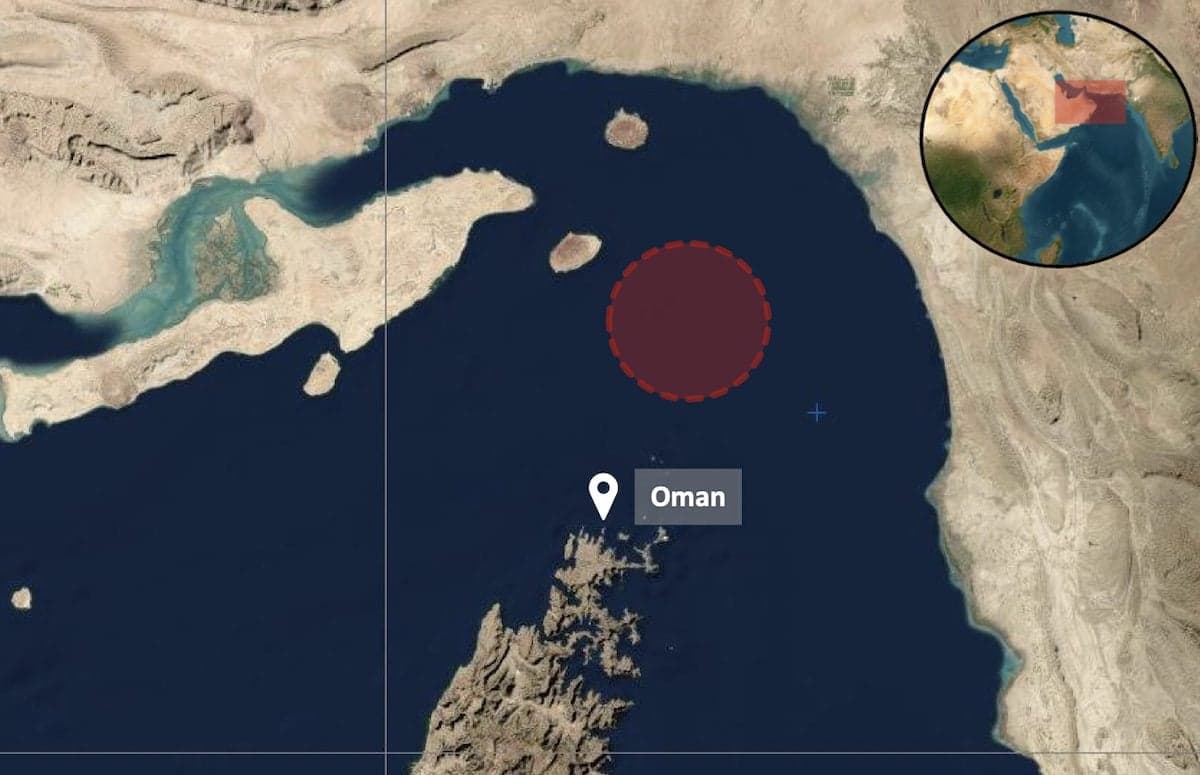
Fresh Attacks Shatter ‘Open Hormuz’ Narrative as Iran Pushes New Maritime Regime
Why It Matters
The renewed aggression underscores persistent security risks that could disrupt global oil flows and raise shipping insurance costs, while Iran’s emerging regulatory framework threatens to reshape navigation norms in a critical chokepoint.
Key Takeaways
- •Three attacks reported off Oman within hours on April 18
- •Iran's IRGC navy opened fire on tanker without VHF challenge
- •Iran proposes permission‑based maritime regime for Hormuz
- •Sanctioned ‘dark fleet’ vessels dominate recent transits
- •Industry groups warned ‘open’ claims were premature
Pulse Analysis
The Strait of Hormuz has long been a flashpoint for geopolitical tension, and the April 18 incidents re‑ignite concerns about its safety. While U.S. officials and former President Trump have proclaimed the waterway "open," the United Kingdom Maritime Trade Operations logged three distinct hostile events within hours, ending a ten‑day lull since the April 7 cease‑fire. These attacks—ranging from projectile strikes to direct gunfire—highlight that the threat environment remains volatile, challenging any narrative of normalcy and prompting immediate operational reassessments by ship owners.
Complicating the security picture, Iran is formalizing a new maritime regime that requires vessels to secure IRGC permission and follow designated routes. This shift represents a departure from internationally recognized freedom‑of‑navigation principles and could impose de‑facto licensing on commercial traffic. The regime also dovetails with the increasing presence of sanctioned "dark fleet" ships, which have become the majority of recent transits. Such vessels, operating under opaque registries, skirt Western sanctions but expose insurers and charterers to heightened legal and reputational risk, especially if caught in future confrontations.
Maritime industry bodies—including BIMCO, INTERTANKO, and the International Chamber of Shipping—have long cautioned against premature declarations of openness. Their warnings now appear prescient, as insurers reassess premium structures and operators reroute vessels to mitigate exposure. The convergence of renewed attacks, Iran’s regulatory push, and the dominance of non‑compliant fleets suggests that the Hormuz corridor will remain a high‑risk zone in the near term, prompting a strategic shift toward alternative routes, enhanced onboard security measures, and closer coordination with naval patrols.
Fresh Attacks Shatter ‘Open Hormuz’ Narrative as Iran Pushes New Maritime Regime
Comments
Want to join the conversation?
Loading comments...