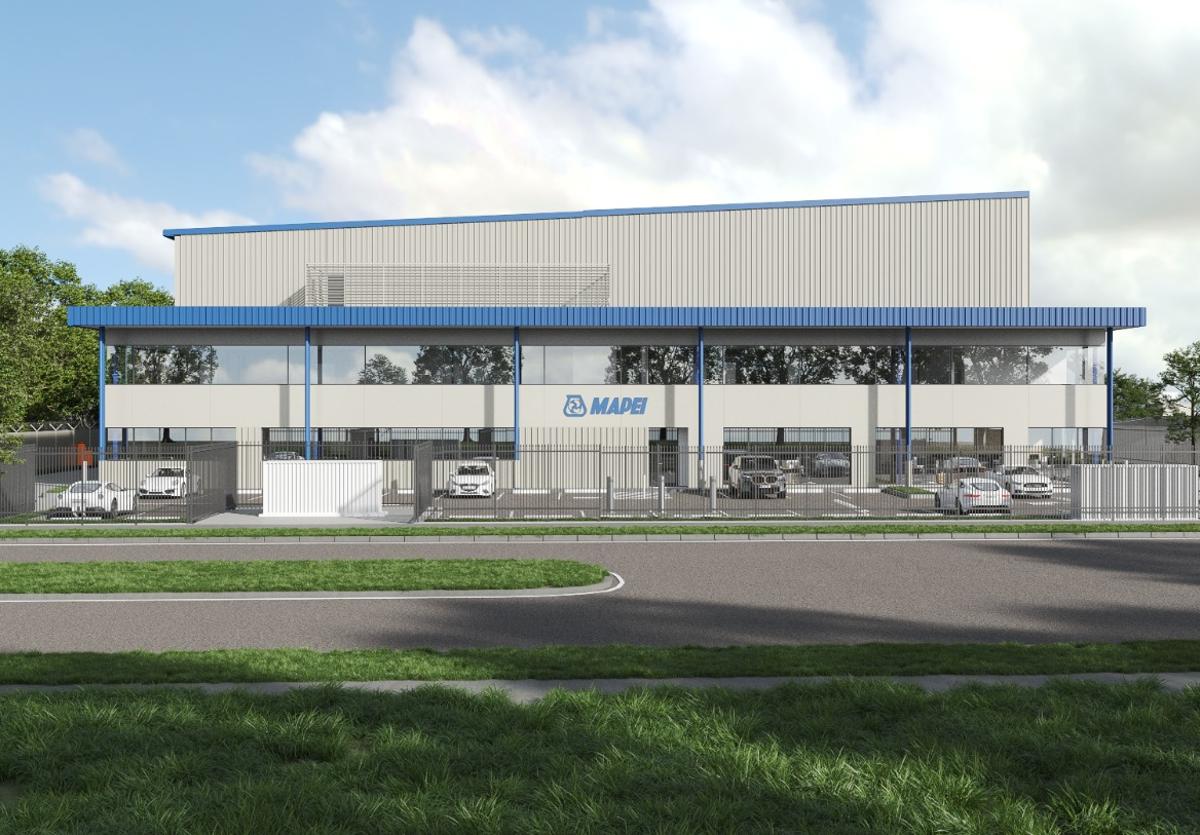
From Truganina to Major Projects: Mapei’s Push to Localise Manufacturing in Australia
Why It Matters
Localising production cuts transport emissions, shortens delivery times for mega‑projects and mitigates material shortages that have hampered Australian construction.
Key Takeaways
- •$60 M (≈ $40 M USD) Truganina plant adds 100+ product lines
- •Advanced recyclable packaging reduces plastic waste and improves moisture protection
- •Facility near M1, M80, M8 highways cuts delivery times for mega projects
- •Automation and solar integration boost quality consistency and lower emissions
- •Workforce training aims to offset Australian manufacturing skill shortages
Pulse Analysis
Australia’s construction sector is riding a wave of unprecedented public‑investment, with Victoria alone earmarking over $8.1 billion AUD (≈ $5.3 billion USD) in the 2025/26 budget and a national pipeline exceeding $213 billion AUD (≈ $140 billion USD). Persistent supply‑chain disruptions, material shortages and a tight labour market have pressured developers to seek more reliable sources. Mapei’s new Truganina plant directly addresses these challenges by bringing a substantial share of its powder and liquid product lines onshore, reducing dependence on imports and shortening lead times for critical infrastructure such as the Suburban Rail Loop and North East Link.
The Truganina facility is built around automation and sustainability. Automated dosing, micro‑dosing, and palletising systems promise tighter quality control, while a fully automated mixing line and expanded silo storage cut waste and energy use. Solar panels offset a portion of the plant’s electricity demand, and the shift to recyclable plastic packaging replaces paper‑plastic composites, improving recyclability and protecting products from moisture on site. These innovations not only lower operational emissions but also align with Australia’s evolving recycling infrastructure and the construction industry’s push for greener materials.
Strategically, the plant positions Mapei as a local supply‑chain anchor in a market where resilience is increasingly prized. Proximity to the M1, M80 and M8 corridors enables faster distribution across Victoria and interstate, enhancing service levels for high‑volume projects. Coupled with a robust workforce development program that tackles the sector’s skills gap, Mapei is reinforcing its competitive edge while contributing to Australia’s broader manufacturing revival. The investment also mirrors Mapei’s global rollout of regional hubs, underscoring confidence in Australia’s long‑term growth prospects.
From Truganina to major projects: Mapei’s push to localise manufacturing in Australia
Comments
Want to join the conversation?
Loading comments...