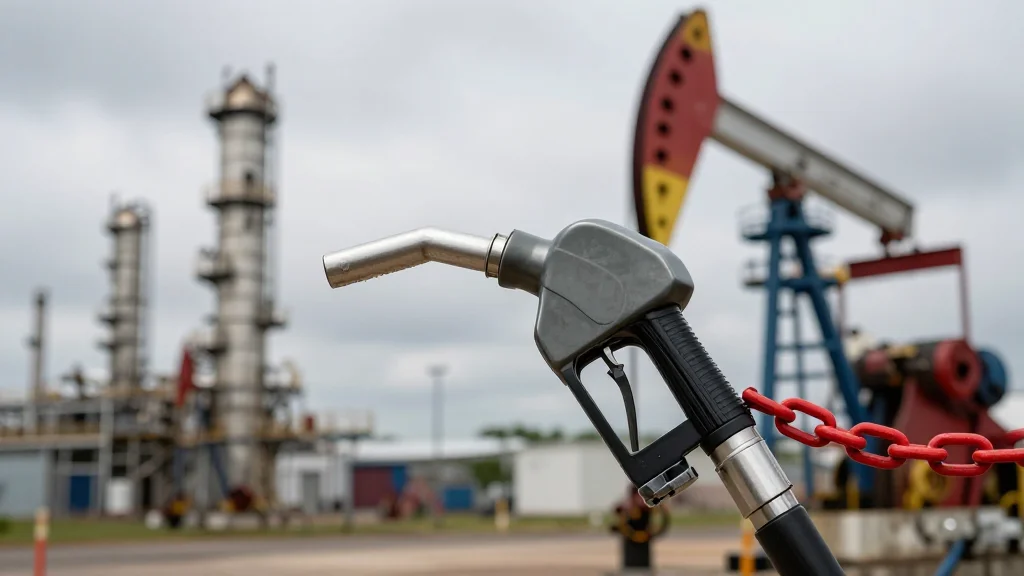
Fuel Blockades Shut Ireland’s Only Refinery, Triggering Nationwide Pump Shortages

Why It Matters
The blockade of Ireland’s only refinery exposes the fragility of national fuel supply chains, where a single point of failure can cascade into nationwide shortages. With emergency services, logistics firms, and everyday commuters all dependent on a steady flow of fuel, the crisis highlights the need for diversified storage, resilient transport routes, and rapid governmental response mechanisms. Beyond immediate shortages, the episode may reshape policy debates around fuel taxation, strategic reserves, and the legal limits of protest actions that target critical infrastructure. Stakeholders across the supply chain will be watching how Ireland balances civil dissent with the imperative to keep essential services running.
Key Takeaways
- •Whitegate refinery blocked, halting typical 800+ daily fuel trucks to about 220
- •Approximately 1,000 of 1,600 service stations risk running dry tonight
- •Police used pepper spray and made arrests to clear the refinery and reopen highways
- •Garda Commissioner Justin Kelly called the actions illegal blockades
- •Prime Minister Micheál Martin warned the country could turn tankers away at ports
Pulse Analysis
Ireland’s fuel crisis underscores a classic supply‑chain vulnerability: over‑reliance on a single processing hub. When Whitegate was immobilised, the nation’s entire distribution network contracted to a quarter of its normal capacity, amplifying the impact of even modest demand spikes. Historically, countries with multiple refineries or larger strategic reserves have been able to absorb similar shocks, suggesting that Ireland’s energy policy may need a strategic pivot toward diversification.
The protest dynamics also reveal a new layer of risk for logistics operators. While price‑driven grievances are not new, the coordinated use of road blockades to target fuel depots represents a tactical escalation that can paralyze supply lines in hours. Companies now face the prospect of incorporating political risk assessments into route planning and inventory buffers, a practice more common in volatile regions but rarely seen in the EU.
Looking ahead, the government’s response will likely set a precedent for how democratic societies balance the right to protest with the protection of critical infrastructure. If enforcement intensifies and the refinery reopens, a rapid rebound in fuel deliveries could restore short‑term stability, but the longer‑term lesson may be a push for legislative reforms that define the limits of civil action against essential services. The episode could also accelerate discussions on alternative energy sources for transport, as reliance on imported petroleum becomes increasingly precarious.
Fuel Blockades Shut Ireland’s Only Refinery, Triggering Nationwide Pump Shortages
Comments
Want to join the conversation?
Loading comments...