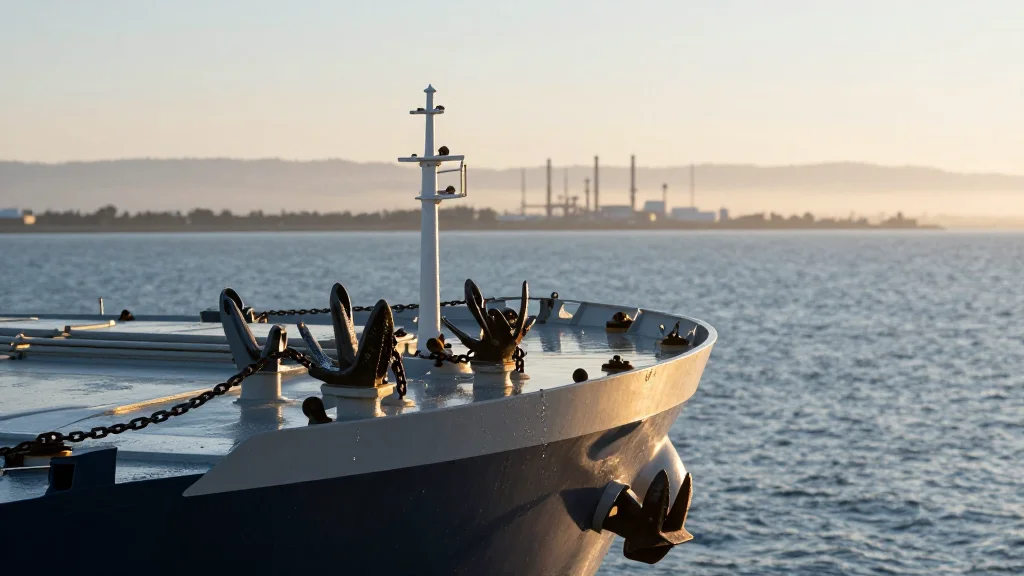
Fuel Giant Employs Pacific Carriers Tanker for Jones Act Waiver Voyage
Companies Mentioned
Why It Matters
The waiver highlights vulnerabilities in U.S. maritime capacity and raises questions about the Jones Act’s relevance for national energy security and domestic shipbuilding.
Key Takeaways
- •Pelican Pacific, 49,900‑dwt, completed 22nd Jones Act waiver voyage.
- •Waiver extended to Aug 17, allowing foreign‑flag tankers on US routes.
- •California gasoline supply eased amid refinery shutdowns and Middle‑East fallout.
- •U.S. shipyards remain idle as foreign vessels fill domestic demand.
- •Critics argue waiver weakens Jones Act’s protection of U.S. maritime industry.
Pulse Analysis
The Jones Act, enacted in 1920, mandates that vessels transporting goods between U.S. ports be built, owned, and crewed by Americans. Historically, this policy has underpinned a domestic shipbuilding niche and ensured a strategic maritime reserve. In early 2026, President Trump invoked a temporary waiver to address acute gasoline shortages on the West Coast, citing refinery outages and geopolitical shocks from the Middle East. The waiver, originally set for a limited period, was extended to mid‑August, allowing foreign‑flagged tankers to bypass the law’s restrictions.
The operational impact is immediate. Pacific Carriers’ Pelican Pacific, a Singapore‑registered product tanker, loaded gasoline blend stock in Houston and delivered it to Long Beach, cutting out the two‑step process that previously sent blending components to the Bahamas for re‑export. Similar voyages by other foreign vessels, such as Tsakos Energy Navigation’s Dion, have streamlined the supply chain, delivering fuel more quickly and at lower cost. For California, where gasoline demand spikes during refinery downtimes, the waiver provides a critical lifeline, stabilizing prices and ensuring pump availability.
However, the policy shift has sparked fierce debate. Maritime unions and domestic shipbuilders argue the waiver erodes the Jones Act’s purpose of preserving a U.S.‑controlled fleet, potentially jeopardizing national security and jobs. Critics point out that most waiver voyages involve vessels from NATO allies, raising questions about the waiver’s strategic rationale. As the extension expires in August, policymakers must weigh short‑term energy security against long‑term maritime independence, a balance that will shape the future of U.S. shipping legislation.
Fuel giant employs Pacific Carriers tanker for Jones Act waiver voyage
Comments
Want to join the conversation?
Loading comments...