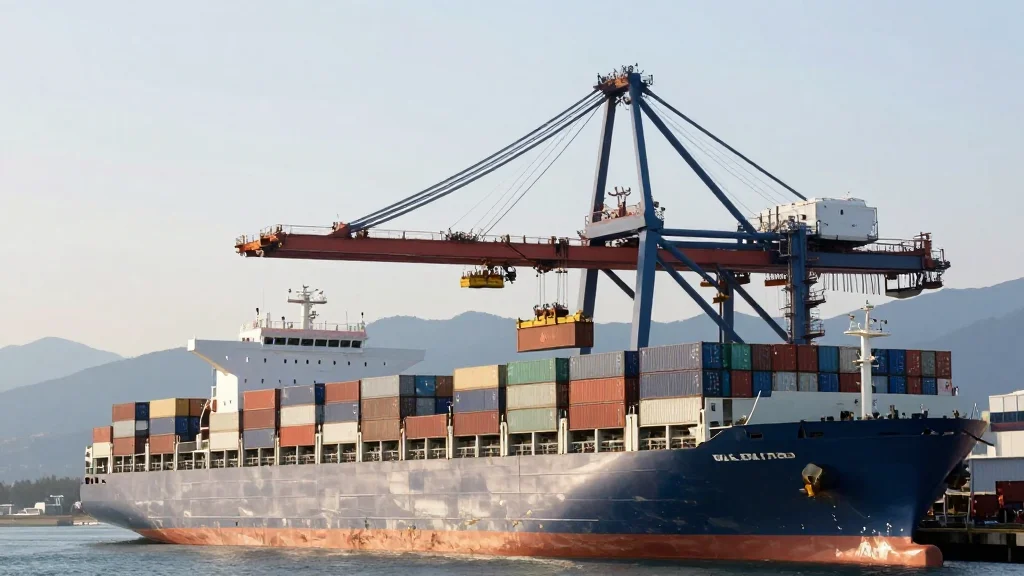
Georgian Ports Record Nearly 20% Cargo Surge in Q1 2026, Boosting Regional Supply Chains

Companies Mentioned
Why It Matters
The near‑20% rise in cargo turnover at Georgian ports underscores a broader revival of overland and maritime trade routes linking Europe, the Middle East, and Central Asia. As supply‑chain managers seek alternatives to congested traditional corridors, the South Caucasus offers shorter transit times and diversified risk, making it an attractive hub for manufacturers and distributors. Furthermore, the concurrent infrastructure investments—such as Iran’s Kermanshah‑Iraq railway and Azerbaijan’s expanded oil pipeline capacity—enhance the region’s multimodal connectivity. This integrated network can lower logistics costs, improve delivery reliability, and support economic diversification in countries that have historically depended on single‑commodity exports.
Key Takeaways
- •Georgian ports saw cargo turnover rise by nearly 20% in Q1 2026.
- •Container volumes grew 18%, bulk cargo 21%, vessel calls up 12% versus Q4 2025.
- •Azerbaijan reported a near‑10‑fold increase in foreign‑trade surplus, driven by oil exports and corridor traffic.
- •Iran disclosed completion cost for the strategic Kermanshah‑Iraq railway, a key freight link.
- •Berkshire Hathaway trimmed its Chevron stake by about 35%, hinting at shifting energy‑logistics dynamics.
Pulse Analysis
The Georgian port surge reflects a rebalancing of global freight flows as shippers diversify away from over‑stretched routes in the Suez and Panama corridors. By leveraging its geographic position, Georgia is capturing a larger slice of the east‑west trade pie, especially as rail‑to‑sea intermodal solutions become more cost‑effective. This trend is likely to accelerate if regional governments continue to invest in customs modernization and digital tracking platforms, which can further reduce clearance times.
Historically, the South Caucasus has been a transit bottleneck, hampered by fragmented infrastructure and political friction. The recent data suggest that coordinated policy efforts—exemplified by Azerbaijan’s trade surge and Iran’s railway completion—are beginning to pay off. However, the sustainability of the cargo boom will depend on the ability to maintain infrastructure quality, manage environmental constraints, and navigate geopolitical tensions that could disrupt cross‑border flows.
For investors, the convergence of higher cargo volumes and strategic infrastructure projects creates a compelling case for allocating capital to logistics assets in the region. Ports, rail operators, and technology firms offering supply‑chain visibility solutions stand to benefit from the heightened activity. Conversely, legacy energy players like Chevron may see reduced relevance in a market where diversified, multimodal logistics networks are becoming the new competitive advantage.
Georgian ports record nearly 20% cargo surge in Q1 2026, boosting regional supply chains
Comments
Want to join the conversation?
Loading comments...