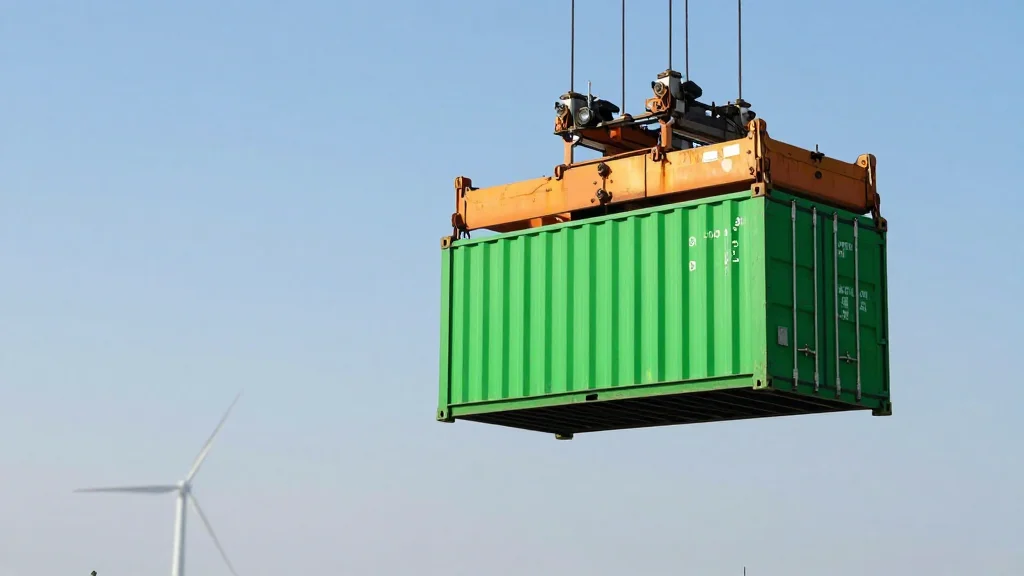
GIGA Forum Highlights Sustainable Supply Chains Amid Geopolitical Fragmentation

Why It Matters
The GIGA Forum underscores a pivotal shift in how supply chains are governed amid rising geopolitical tensions. By foregrounding the trade‑off between resilience and sustainability, the discussion signals that future regulations may embed climate criteria directly into security‑oriented trade policies. For companies, this means re‑evaluating sourcing strategies, investing in traceability technologies and engaging with new public‑private governance models. For the Global South, the forum’s focus on inclusive development highlights the risk that security‑driven diversification could marginalize smaller economies unless robust due‑diligence and capacity‑building measures are adopted. The outcomes could therefore influence the distribution of investment, the pace of green technology adoption, and the overall trajectory of global decarbonisation efforts.
Key Takeaways
- •GIGA hosted a forum in Hamburg during Sustainability Week to discuss fragmented global supply chains.
- •Governments are prioritising resilience, critical‑minerals access and reduction of strategic dependencies.
- •Europe seeks to diversify raw‑material imports from Latin America to protect energy transition goals.
- •Large‑scale land acquisitions in palm‑oil, rubber and sugarcane raise human‑rights and deforestation concerns.
- •Upcoming GIGA policy briefs will propose governance frameworks that blend climate and security objectives.
Pulse Analysis
The convergence of security imperatives and climate ambition is reshaping the architecture of global value chains. Historically, supply‑chain resilience was a peripheral concern, addressed through inventory buffers and diversified sourcing. Today, strategic competition over critical minerals and raw materials is elevating resilience to a core policy pillar, forcing firms to embed geopolitical risk assessments into sustainability roadmaps. This dual pressure is likely to accelerate the adoption of digital traceability platforms, as companies seek real‑time visibility to satisfy both regulatory scrutiny and investor expectations.
From a competitive standpoint, firms that can demonstrate robust, climate‑aligned supply‑chain governance will gain a distinct advantage in markets where governments are tightening import standards. The EU’s focus on Latin American partnerships, for example, creates opportunities for early movers to secure long‑term contracts for lithium, cobalt and rare‑earth elements, while also imposing higher compliance costs on laggards. In the Global South, the challenge will be to leverage these new governance models without ceding market share to larger, better‑capitalised players. Capacity‑building initiatives and transparent due‑diligence standards could level the playing field, but they require coordinated international funding and political will.
Looking ahead, the GIGA Forum’s recommendations are poised to influence upcoming trade negotiations and sustainability regulations. If policymakers adopt the proposed blended governance frameworks, we could see a new class of “green‑security” standards that bind climate targets to strategic supply‑chain policies. Such standards would reshape investment flows, prioritize low‑carbon technologies, and potentially redefine the competitive dynamics of sectors ranging from renewable energy to defence manufacturing.
GIGA Forum Highlights Sustainable Supply Chains Amid Geopolitical Fragmentation
Comments
Want to join the conversation?
Loading comments...