GKN Aerospace Leak Halts F-35 Cockpit Canopy Production, Threatening U.S. and Israeli Supply Chains

Companies Mentioned
Why It Matters
The Garden Grove leak illustrates how a single point of failure in a high‑tech defense supply chain can ripple through national security programs and foreign‑policy objectives. With the United States and Israel counting on timely deliveries of F‑35 components, any production halt threatens operational readiness and could force costly schedule adjustments. Moreover, the incident spotlights the tension between industrial growth and community safety, especially in regions where aerospace plants coexist with residential neighborhoods. The episode may accelerate calls for stricter chemical‑safety regulations, more transparent risk‑management reporting, and diversification of critical defense manufacturing sites. Beyond the immediate disruption, the event raises strategic questions about resilience in the defense industrial base. As geopolitical pressures mount and allies seek to expand their F‑35 fleets, ensuring a robust, geographically dispersed supply chain becomes a matter of strategic importance. The incident could also influence future procurement decisions, prompting the Pentagon to embed supply‑chain risk assessments more deeply into contract awards and to require higher safety standards for facilities handling hazardous materials.
Key Takeaways
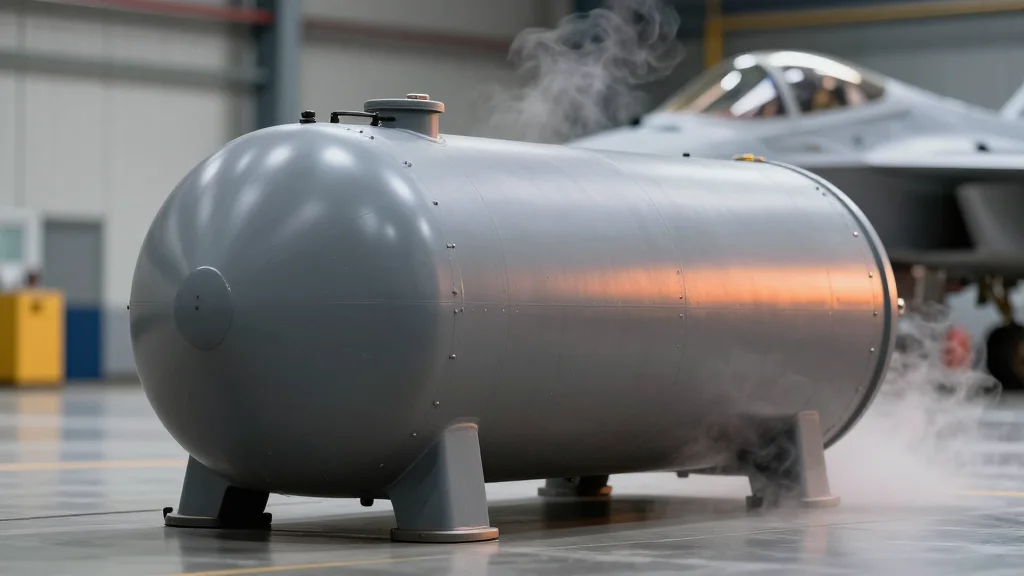
- •A cooling‑system failure caused a 7,000‑gallon methyl methacrylate tank at GKN Aerospace to overheat, prompting evacuation of ~50,000 residents.
- •Production of F‑35 cockpit canopies, a $255 million subcontract for Lockheed Martin, was halted from May 21 to May 26.
- •GKN Aerospace has earned $13 million in additional subcontracts since 2017 for the F‑35 program.
- •The Orange County Fire Authority lifted the evacuation order on May 26, but a restricted zone remains around the plant.
- •Community lawsuits and a DA investigation focus on alleged safety violations and past $900,000 settlement for emissions breaches.
Pulse Analysis
The Garden Grove incident is a textbook case of supply‑chain fragility in the defense sector. Historically, the U.S. defense industrial base has relied on a handful of specialized suppliers for critical components, a model that offers efficiency but amplifies risk when a single node fails. The F‑35 program, already under scrutiny for cost overruns and schedule delays, now faces an additional variable: the physical safety of its manufacturing footprint. The incident could accelerate a shift toward a more distributed production model, where multiple facilities across different jurisdictions produce redundant batches of high‑value parts. Such a move would mitigate the impact of localized emergencies but would also increase logistical complexity and potentially raise costs.
Regulatory oversight appears to be another fault line. While federal agencies like the EPA and the Chemical Safety Board have frameworks for hazardous‑material handling, enforcement often falls to state and local bodies with limited resources. The repeated safety violations at GKN’s Garden Grove plant suggest gaps in compliance monitoring that could be addressed through tighter federal‑state coordination, mandatory third‑party safety audits, and real‑time reporting of critical equipment failures.
Finally, the geopolitical dimension cannot be ignored. Israel’s plan to double its F‑35 fleet underscores the strategic importance of uninterrupted component supply. Any prolonged disruption could strain U.S.–Israel defense cooperation, especially as both nations navigate heightened regional tensions. Stakeholders—from Pentagon procurement officials to congressional oversight committees—will likely scrutinize the incident closely, potentially prompting policy reforms that balance rapid defense production with community safety and environmental stewardship.
GKN Aerospace Leak Halts F-35 Cockpit Canopy Production, Threatening U.S. and Israeli Supply Chains
Comments
Want to join the conversation?
Loading comments...