Why It Matters
The wave of layoffs signals deepening pressure on manufacturing from cost competition and strategic pivots, reshaping labor markets and supply‑chain resilience across both developed and emerging economies.
Key Takeaways
- •Electrolux will convert US plant to fabric care factory, reopening 2027
- •Indian ink producer cuts two factories, laying off over 2,800 workers
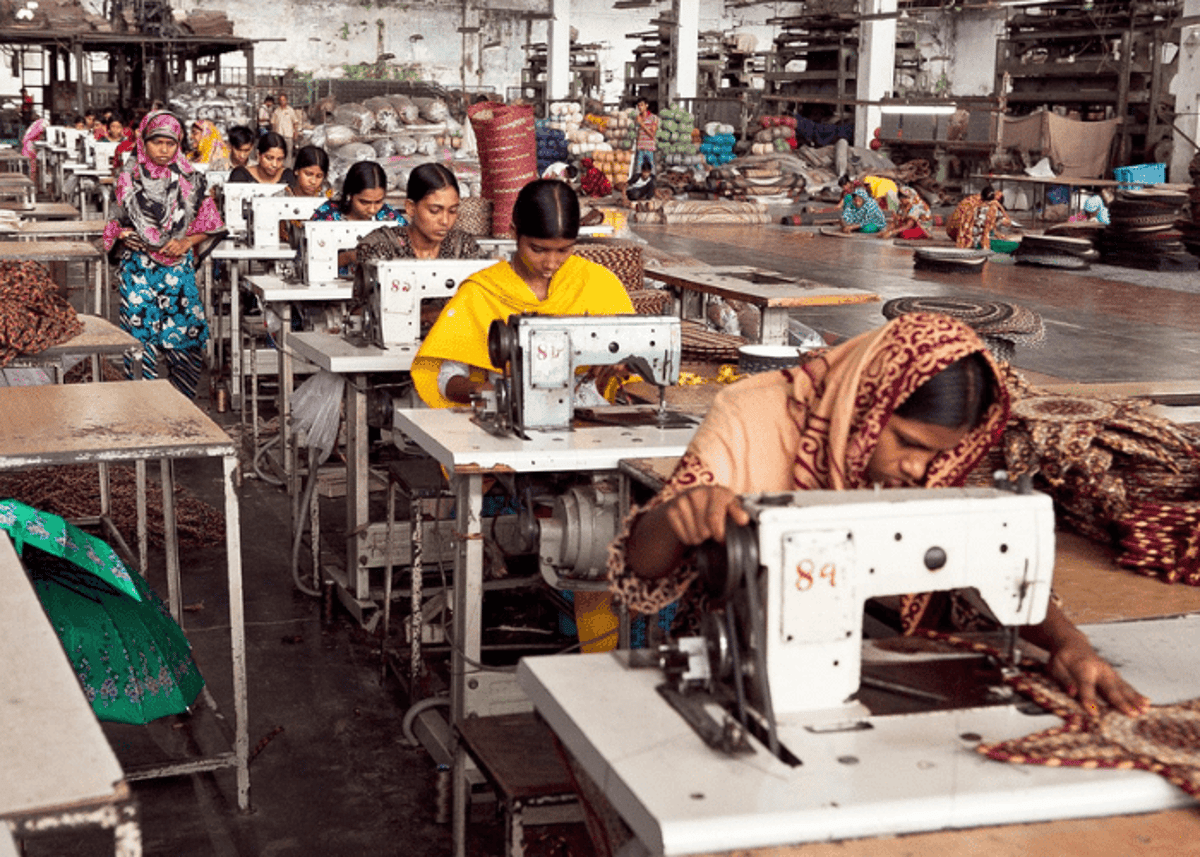
- •Cambodian garment maker ML Intimate Apparel bankruptcy leaves ~700 workers unemployed
- •Cheap Chinese imports and rising costs drive closures across emerging markets
- •Severance packages vary widely, highlighting uneven worker protections worldwide
Pulse Analysis
The manufacturing sector is confronting a convergence of headwinds that are accelerating job cuts across continents. In the United States, Electrolux’s decision to shutter its Anderson County facility reflects a broader trend of repurposing legacy assets to align with higher‑margin product lines, such as fabric care, while still preserving a pathway for rehiring. Meanwhile, India’s ink producer illustrates how exposure to low‑cost Chinese imports can erode profitability, prompting abrupt plant closures that affect thousands of permanent and contract workers. Cambodia’s garment industry, already vulnerable to thin margins, saw a sudden bankruptcy that left 700 employees without income, highlighting the precarious nature of labor in export‑oriented factories.
These disruptions reverberate beyond the shop floor, influencing supply‑chain dynamics and regional economic stability. When a plant is repurposed rather than permanently closed, as in the Electrolux‑Midea joint venture, downstream suppliers may retain business, albeit with altered demand profiles. Conversely, abrupt shutdowns in India and Cambodia sever critical links in the value chain, potentially prompting brands to reassess sourcing strategies and inventory buffers. The variability in severance packages also reveals a patchwork of worker protections, which can affect morale, consumer confidence, and the attractiveness of manufacturing as an employment sector.
Policymakers and corporate leaders face a dual challenge: mitigating immediate social fallout while fostering a resilient, future‑ready workforce. Investment in reskilling programs, especially in digital manufacturing and advanced materials, could cushion displaced workers and align talent with emerging industry needs. Additionally, encouraging transparent labor standards and more uniform severance frameworks may reduce the socioeconomic shock of plant closures. As global competition intensifies, firms that balance strategic realignment with responsible workforce transition are likely to sustain competitive advantage and contribute to a more stable manufacturing ecosystem.
Global factories face layoff wave
Comments
Want to join the conversation?
Loading comments...