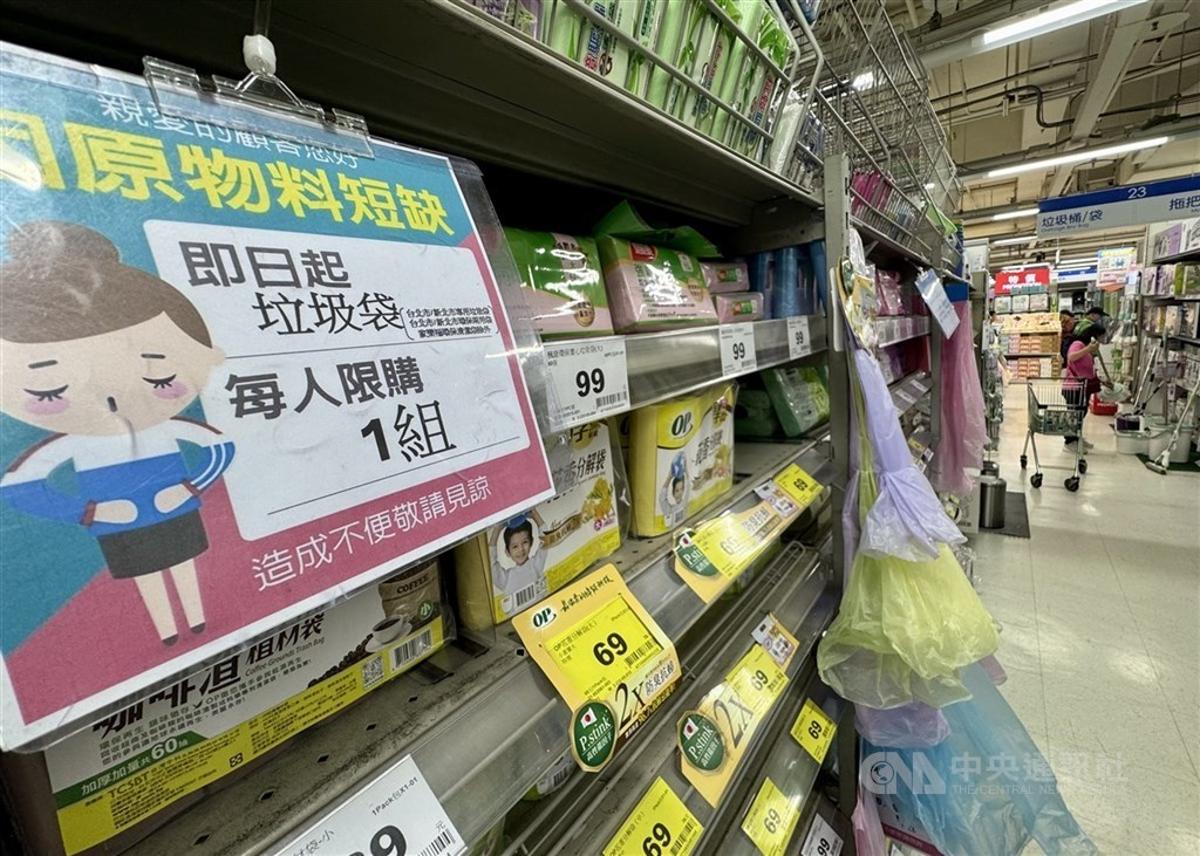
Gov't Steps in to Stabilize Plastic Bag Supply Amid Shortages, Price Concerns
Companies Mentioned
Why It Matters
Stabilizing plastic‑bag availability protects consumer confidence and prevents inflationary pressure on everyday goods, while the crackdown deters anti‑competitive behavior in a critical commodity market.
Key Takeaways
- •Government created coordination channels with retailers
- •Polyethylene production increased to exceed domestic demand
- •Retailers imposed purchase limits to prevent panic buying
- •Prosecutors launched probe into possible price manipulation
Pulse Analysis
The recent surge in plastic‑bag prices across Taiwan reflects broader geopolitical shocks that have tightened global oil markets, the primary feedstock for polyethylene. As tensions in the Middle East drive crude prices upward, manufacturers face higher input costs, prompting localized shortages when supply chains cannot quickly adapt. Taiwan’s response underscores how small economies must act swiftly to buffer essential consumer goods from external volatility, leveraging domestic production capacity to offset import‑dependent pressures.
At the national level, the Economic Affairs Ministry has established a real‑time coordination platform linking retailers, distributors, and local authorities. By boosting polyethylene output beyond current demand, the government aims to pre‑empt further price spikes and ensure that supply mismatches in regions like Chiayi are corrected. Simultaneously, Taipei’s municipal measures encourage a shift toward paper and reusable bags, reducing reliance on single‑use plastics while tempering demand. Retail giants such as Carrefour and Costco have voluntarily capped purchases, a tactic that curbs panic buying without signaling a full‑blown shortage, thereby preserving market stability.
The involvement of prosecutors signals heightened regulatory vigilance against potential price manipulation, a concern that can erode consumer trust and invite legal penalties. For businesses, the episode highlights the importance of diversified sourcing strategies and transparent pricing practices. Looking ahead, sustained oil‑price moderation could ease upstream cost pressures, but policymakers are likely to maintain monitoring mechanisms to safeguard against future disruptions, balancing economic resilience with environmental objectives.
Gov't steps in to stabilize plastic bag supply amid shortages, price concerns
Comments
Want to join the conversation?
Loading comments...