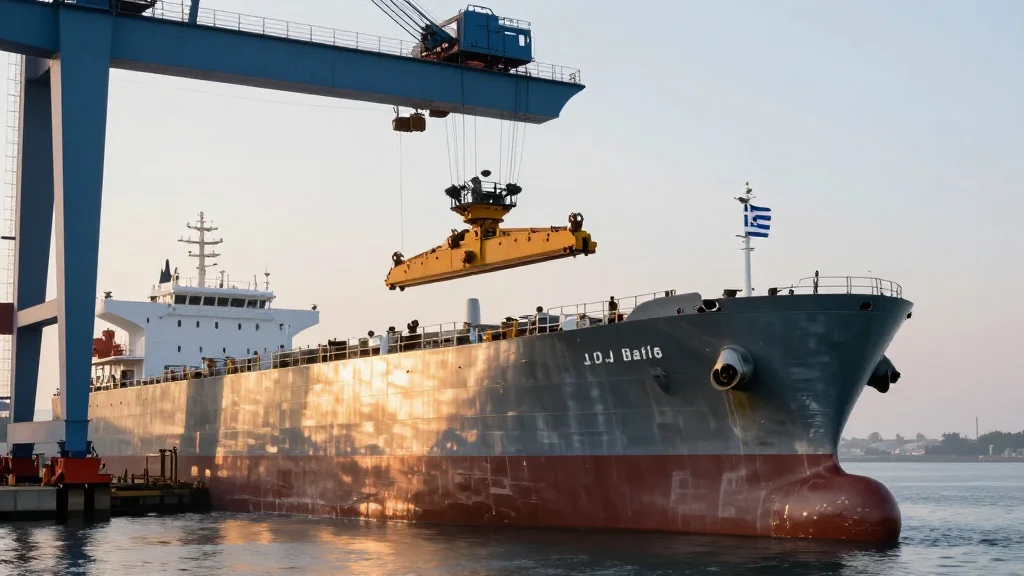
Greek Newbuilding Orders Surge as Gulf Crisis Turns Into Opportunity
Why It Matters
The wave of orders strengthens Greece’s dominance in the global fleet and fuels shipyard demand, reshaping competitive dynamics in the tanker and bulk sectors. It also signals that geopolitical disruptions are being turned into long‑term growth opportunities for shipowners.
Key Takeaways
- •Greek shipowners placed 115 firm newbuilding orders in Q1‑Q2 2026
- •Orders rise to 133 vessels including options, signaling aggressive expansion
- •Allied QuantumSea tracks the surge, highlighting Greek market dominance
- •Gulf crisis creates demand, prompting Greek owners to target all tanker sectors
- •Newbuilding activity could reshape global fleet composition over next decade
Pulse Analysis
The recent Gulf crisis—sparked by heightened tensions in the Red Sea and Persian Gulf—has choked key oil routes, driving up spot freight rates and exposing a shortage of available tonnage. Greek shipowners, already seasoned in navigating volatile markets, seized the moment to secure new capacity before shipyards fill with competing orders. By committing to both tankers and dry‑bulk vessels, they aim to capture higher earnings from the premium freight environment while hedging against future market swings.
Allied QuantumSea’s tally of 115 firm vessels, or 133 when options are included, represents one of the most aggressive ordering sprees in recent Greek history. The bulk of these contracts are slated for South Korean and Chinese yards, where delivery windows remain tight but pricing is still competitive. Financing is being underpinned by a mix of traditional bank loans and newer green‑bond structures, reflecting a broader industry shift toward sustainable shipbuilding. The influx of orders is expected to boost shipyard utilization rates, potentially shortening lead times for other global customers.
For the wider maritime sector, Greece’s ordering blitz could tilt the balance of fleet renewal toward a younger, more fuel‑efficient inventory. This may compress freight differentials as newer vessels enter service, but it also positions Greek owners to dominate market share in the post‑crisis recovery. Analysts anticipate that the added capacity will help stabilize rates once the Gulf disruption eases, while also pressuring competitors who lack comparable order books. In the long run, the strategic timing of these builds underscores how geopolitical risk can be leveraged into a competitive advantage in global shipping.
Greek newbuilding orders surge as Gulf crisis turns into opportunity
Comments
Want to join the conversation?
Loading comments...