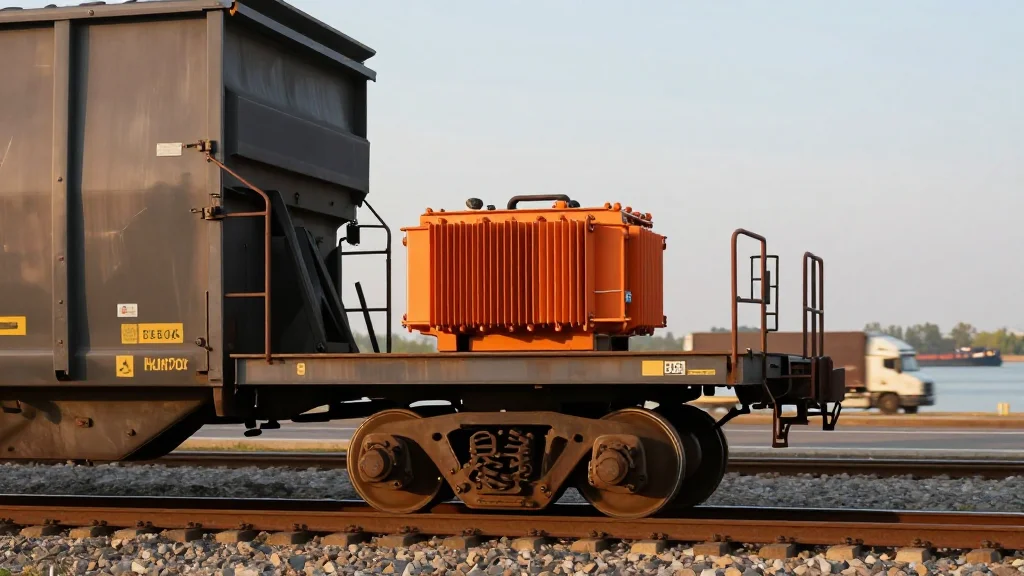
Growth in Energy-Linked Project Cargo Exacerbates US Rail Car Shortage
Why It Matters
The shortage threatens timely delivery of critical energy infrastructure, inflating project budgets and potentially slowing U.S. renewable‑energy rollouts.
Key Takeaways
- •Freight‑car fleet fell 1% to 1.66 million units by 2025.
- •Energy project cargo volumes outpace rail capacity growth.
- •Shippers add barges, trucks, and private rail cars to fill gaps.
- •Transport costs and lead times rise amid car scarcity.
Pulse Analysis
The U.S. rail freight system, once a backbone for heavy industrial shipments, now faces a structural shortfall. Data from the Umler Index shows a net loss of 24,149 rail cars over six years, pushing the total fleet to 1.66 million—a modest 1% decline that masks an aging inventory and fewer new builds. As rail operators retire older units without adequate replacements, the available pool of high‑capacity, heavy‑duty cars for oversized loads has become increasingly constrained, prompting logistics planners to scramble for alternatives.
At the same time, the energy sector is in the midst of a transformation. Federal incentives, utility commitments to decarbonization, and a wave of grid‑modernization projects have spurred a sharp rise in the movement of oversized equipment—wind turbine components, solar‑farm substations, and large‑scale transformers. These items require specialized rail cars and precise scheduling, yet the shrinking fleet cannot keep pace. The mismatch forces shippers to rely more heavily on barges and trucks, which, while flexible, add handling steps, increase exposure to weather delays, and raise overall freight costs.
The ripple effects extend beyond individual projects. Higher transport expenses erode profit margins for developers and may delay the commissioning of renewable assets, slowing progress toward national clean‑energy targets. Industry players are responding by expanding private rail‑car fleets, negotiating dedicated slots with carriers, and investing in multimodal hubs that blend rail, barge, and truck capacity. In the longer term, policymakers and rail operators will need to address the underlying fleet attrition—through incentives for new car production or retrofitting programs—to restore resilience in the supply chain and support the nation’s energy transition.
Growth in energy-linked project cargo exacerbates US rail car shortage
Comments
Want to join the conversation?
Loading comments...