Growth Persists Despite Market Challenges
Companies Mentioned
Why It Matters
The trend confirms air cargo’s resilience while highlighting a structural shift toward tech‑driven freight, prompting carriers to rethink network design, pricing and capacity allocation.
Key Takeaways
- •Year‑on‑year monthly airfreight growth persisted through March 2026.
- •Conflict‑related capacity limits push yields higher and increase operating costs.
- •Tech equipment shipments now exceed e‑commerce as top growth source.
- •Asian exporters to US dominate data‑center and AI hardware freight.
Pulse Analysis
The sustained YoY expansion of global air cargo underscores the industry’s ability to absorb macro‑level shocks. While geopolitical flashpoints and tariff debates have rattled other transport modes, carriers have leveraged flexible routing, charter services and dynamic pricing to keep volumes rising. This resilience is reflected in the latest data, which shows uninterrupted monthly growth through March, a rare feat for a sector traditionally sensitive to economic cycles.
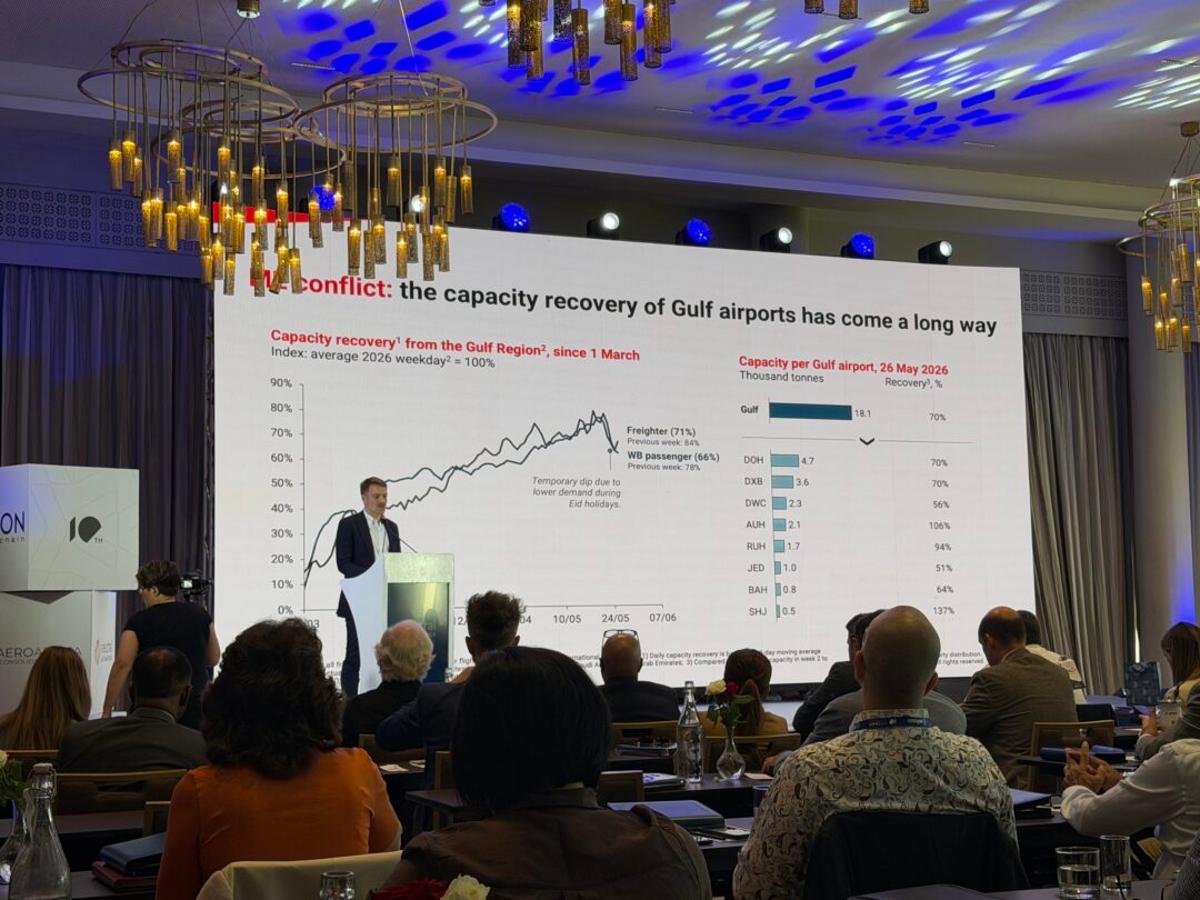
Operational pressures are, however, mounting. Conflict‑affected corridors in the Middle East have trimmed available capacity, compelling airlines to fly longer paths and shoulder higher fuel expenses. Those cost pressures have translated into stronger yields, allowing carriers to capture premium rates on constrained lanes. Yet the uneven distribution of cargo—where outbound demand outpaces inbound flows on certain routes—complicates network planning and forces firms to balance profitability against service reliability.
Perhaps the most consequential development is the pivot from consumer‑driven e‑commerce to technology‑centric freight. Data‑center expansion, cloud‑computing projects and AI hardware deployments are generating sizable shipments from Taiwan, China, Vietnam and Thailand to the United States. This concentration of high‑value, time‑critical goods reshapes trade‑lane dynamics, elevating the strategic importance of Asian‑to‑US routes and prompting carriers to invest in dedicated capacity and faster handling processes. Firms that align their services with this tech surge stand to capture disproportionate revenue as the air cargo market evolves.
Growth persists despite market challenges
Comments
Want to join the conversation?
Loading comments...