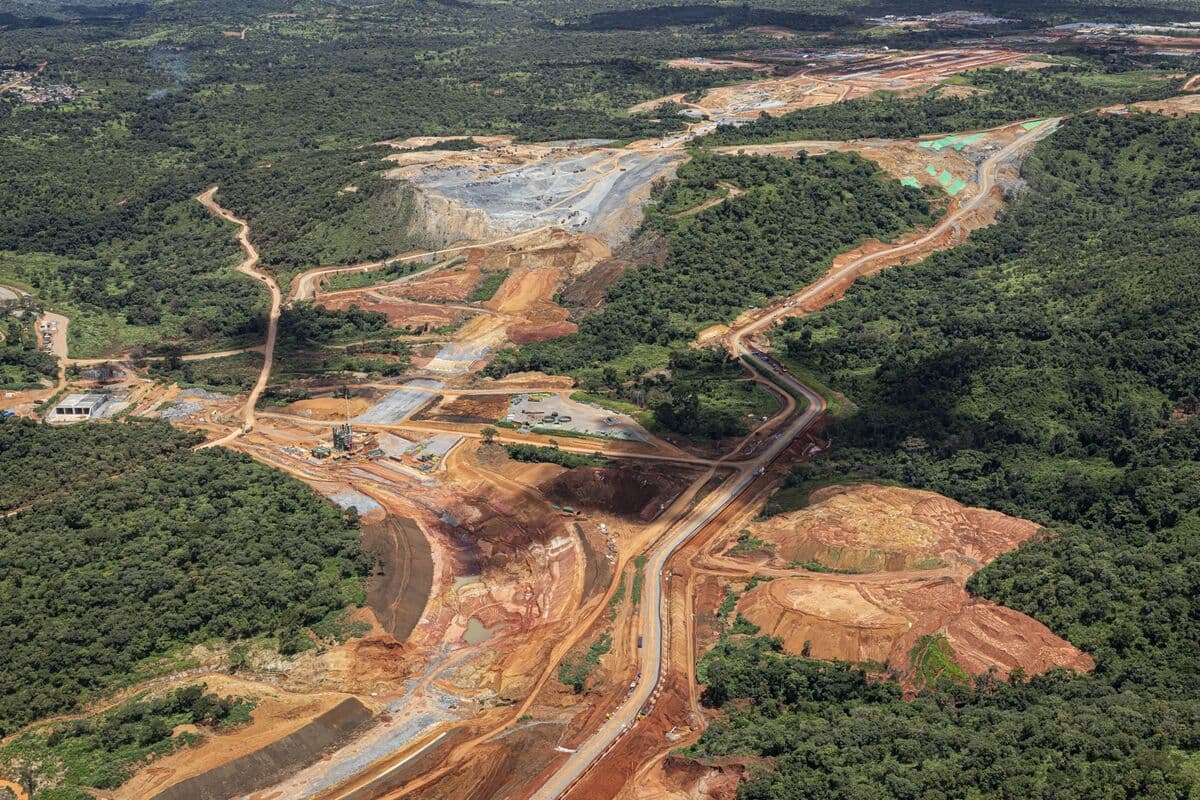
Guinea’s Simandou Iron Exports Surge Six Months After First Ore
Companies Mentioned
Why It Matters
The surge adds a new, high‑grade source to a tight global iron‑ore supply, pressuring prices and diversifying buyers away from traditional exporters. It also boosts Guinea’s fiscal outlook, attracting further foreign investment in infrastructure.
Key Takeaways
- •May shipments reached 2.2 million tons, up 69% from April
- •Simandou now supplies over 3 million tons YTD, boosting Guinea's export revenue
- •High‑grade ore could dent market share of Australian and Brazilian producers
- •Morebaya port expansion underpins rapid scaling, attracting further foreign investment
- •Rising shipments may pressure iron‑ore prices amid global supply constraints
Pulse Analysis
The Simandou project, located in southeastern Guinea, has long been touted as a "next‑generation" iron‑ore mine because of its exceptionally high grade, often exceeding 68% iron content. After years of financing hurdles and infrastructure delays, the first commercial shipment left for China in late 2025, marking the culmination of a $20 billion investment led by Rio Tinto and its partners. The Morebaya port, built specifically for Simandou, was designed to handle up to 10 million tons annually, but early throughput was modest as the mine ramped up processing capacity and logistics chains were fine‑tuned.
In May, ship‑tracking firm Kpler recorded 2.2 million tons moved through Morebaya, a jump that dwarfs the 0.6 million‑ton average of the first quarter. The surge reflects both higher crusher output and the successful commissioning of a second conveyor belt that cut turnaround times for bulk carriers. For Guinea, the increased export volume translates into an estimated $300 million in additional foreign‑exchange earnings this month, reinforcing the government's push to diversify revenue away from bauxite. The data also suggests that the port’s recent dredging project, which deepened berths to accommodate 200,000‑ton vessels, is already paying dividends.
Globally, Simandou’s entry into the market could reshape iron‑ore dynamics. Australia and Brazil, which together account for roughly 70% of world supply, may see their pricing power erode as buyers—particularly steel producers in China and Europe—gain access to a premium, low‑impurity source. While the mine still faces challenges, including potential labor disputes and the need for further rail upgrades, its rapid output growth signals a shift toward a more diversified supply base. Investors are watching closely, as sustained high‑grade shipments could trigger a re‑pricing of iron‑ore contracts and spur additional capital flows into West African mining infrastructure.
Guinea’s Simandou Iron Exports Surge Six Months After First Ore
Comments
Want to join the conversation?
Loading comments...