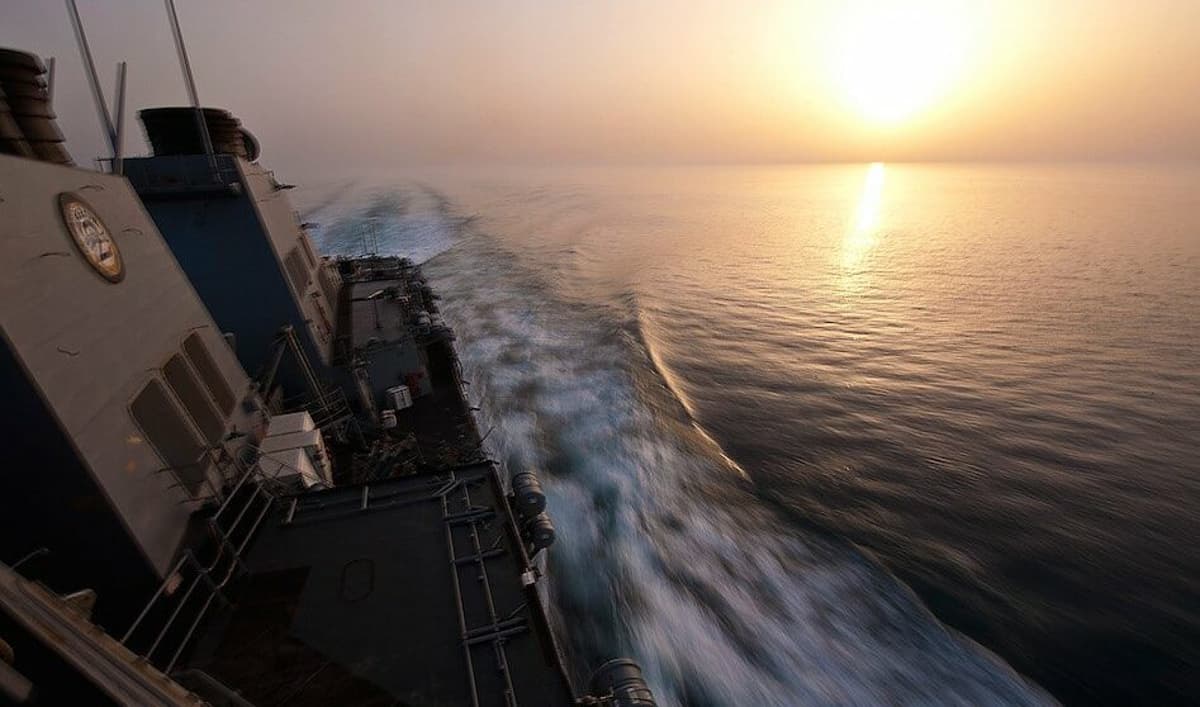
Gunfire and Gridlock Choke Hormuz
Companies Mentioned
Why It Matters
The disruption threatens global oil supplies and inflates shipping costs, forcing companies to rethink supply‑chain resilience. Prolonged gridlock could accelerate a shift toward alternative routes and diversified energy sources.
Key Takeaways
- •IRGC opened fire on a Liberia‑flagged containership 15 nm NE of Oman
- •US extended land cease‑fire but kept maritime blockade, boarding the Tifani tanker
- •Strait of Hormuz traffic down 97%; 800+ ships stranded west of strait
- •Vessel interdictions up 160% Q1 2026; shadow fleet now 2,100 sanctioned ships
Pulse Analysis
The latest flashpoint in the Strait of Hormuz revives memories of the 1970s oil embargo, but with a far more violent edge. After a Liberia‑flagged containership was struck by an IRGC boat, the United States responded by maintaining a naval blockade while extending a diplomatic cease‑fire on land. This dual approach mirrors earlier pressure campaigns, such as the U.S. actions against Venezuela, and underscores Washington’s willingness to use maritime force to curb Iran’s oil exports. The incident also highlights the fragility of global supply chains that still depend heavily on Gulf oil transit.
The immediate fallout is stark: daily vessel traffic through Hormuz has plummeted 97%, and over 800 ships remain stranded, creating a humanitarian crisis for thousands of seafarers. With the United Nations labeling the situation the worst for maritime workers since World War II, insurers are hiking premiums and shippers are scrambling for alternative routes. The bottleneck threatens to push oil prices higher, prompting manufacturers to reassess inventory strategies and consider on‑shore production or diversified energy inputs to mitigate risk.
Looking ahead, the surge in vessel interdictions—up 160% in Q1 2026—signals a broader escalation in maritime security enforcement. Windward’s data shows the shadow fleet now exceeds 2,100 vessels, nearly two‑thirds of which are sanctioned, indicating a rapid expansion of illicit shipping capacity. This environment may accelerate investments in autonomous vessels, blockchain‑based tracking, and the development of overland corridors such as the China‑Pakistan Economic Corridor. Companies that adapt to the heightened risk landscape will gain a competitive edge as the industry navigates what could become the most turbulent year for global shipping in half a century.
Gunfire and gridlock choke Hormuz
Comments
Want to join the conversation?
Loading comments...