Hegseth Signals Mines Remain Key Obstacle to Full Hormuz Reopening
Why It Matters
Mine threats keep oil‑rich shipping lanes unsafe, limiting global energy flow and inflating freight costs. Clearing the strait is a prerequisite for restoring market confidence and stabilizing regional trade.
Key Takeaways
- •Mines still block full commercial traffic through Hormuz.
- •Pentagon confirms active mine‑countermeasure sweeps under Trump order.
- •No timeline given, but clearance could take months.
- •U.S. will shoot any Iranian boat laying mines.
- •Shipping confidence hinges on verified clearance, not ceasefire alone.
Pulse Analysis
The Strait of Hormuz, a chokepoint through which roughly a fifth of the world’s petroleum passes, has become a flashpoint not only for geopolitical posturing but also for asymmetric naval warfare. Iran’s alleged deployment of naval mines adds a layer of uncertainty that cannot be mitigated by diplomatic ceasefires alone. Shipping firms, insurers, and commodity traders watch closely for any indication that the waterway is truly safe, because even a single mine incident can trigger a cascade of rerouting, higher freight rates, and volatile oil prices.
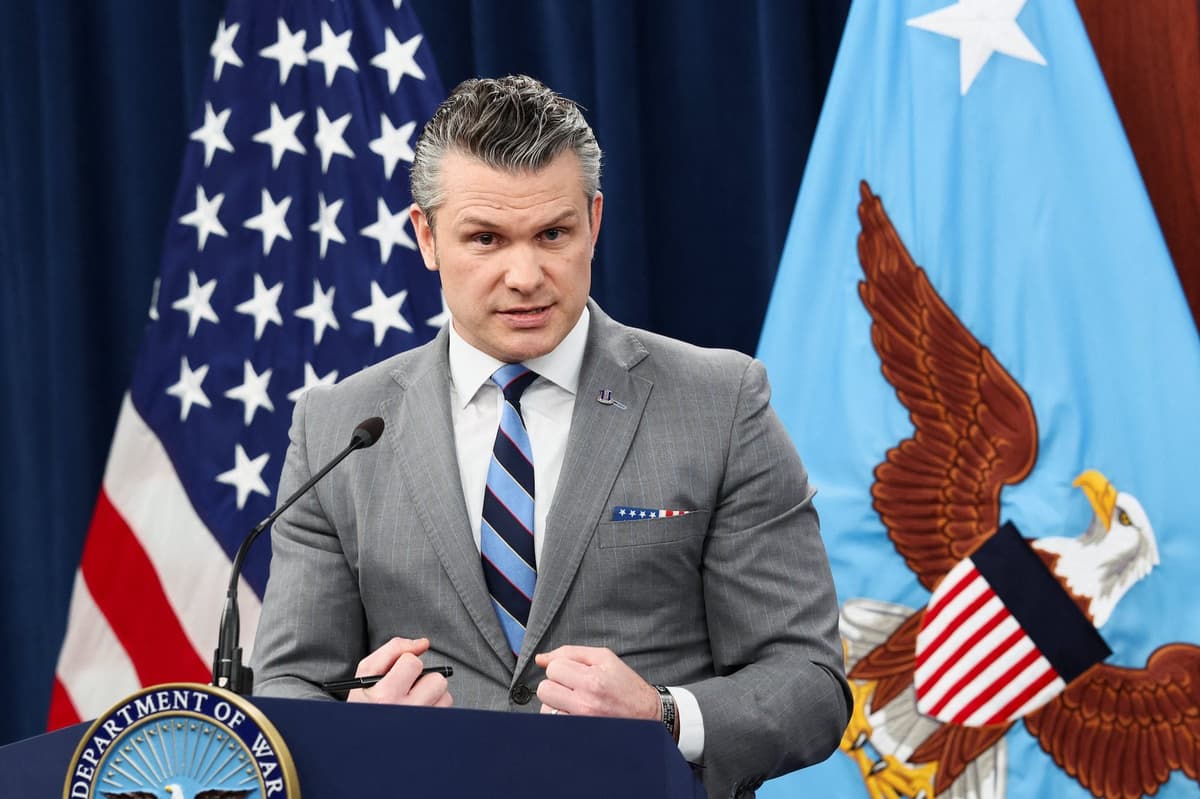
In a recent Pentagon briefing, Defense Secretary Pete Hegseth underscored that U.S. mine‑countermeasure vessels are already conducting sweeps, a directive issued by former President Trump to neutralize any Iranian fast‑boat mining attempts. While Hegseth stopped short of confirming that Iran has actively mined commercial lanes, he made clear that any boat laying mines will be met with lethal force. The administration’s confidence in its clearance capability, however, is tempered by an unnamed timeline—analysts estimate up to six months for a thorough sweep, a period that could prolong the current reduction in vessel transits.
The broader market impact is significant. Oil benchmarks have already reflected a risk premium as shippers divert cargoes around the Arabian Sea, adding days to delivery schedules and raising costs for end users. Maritime organizations like BIMCO argue that only a verified, multinational mine‑clearance effort can restore the confidence needed for full traffic normalization. As the U.S. pushes for collaborative de‑mining, the next few months will determine whether the Hormuz corridor can regain its role as a reliable artery for global energy supplies.
Hegseth Signals Mines Remain Key Obstacle to Full Hormuz Reopening
Comments
Want to join the conversation?
Loading comments...