Home Depot Launches Real-Time Delivery Tracking for Large Items
•February 27, 2026
0
Why It Matters
Real‑time visibility for big‑ticket items strengthens Home Depot’s competitive edge in last‑mile logistics and drives higher online conversion rates. The capability meets growing consumer demand for transparency, potentially increasing average order values and loyalty.
Key Takeaways
- •Live tracking extended to all big‑and‑bulky orders.
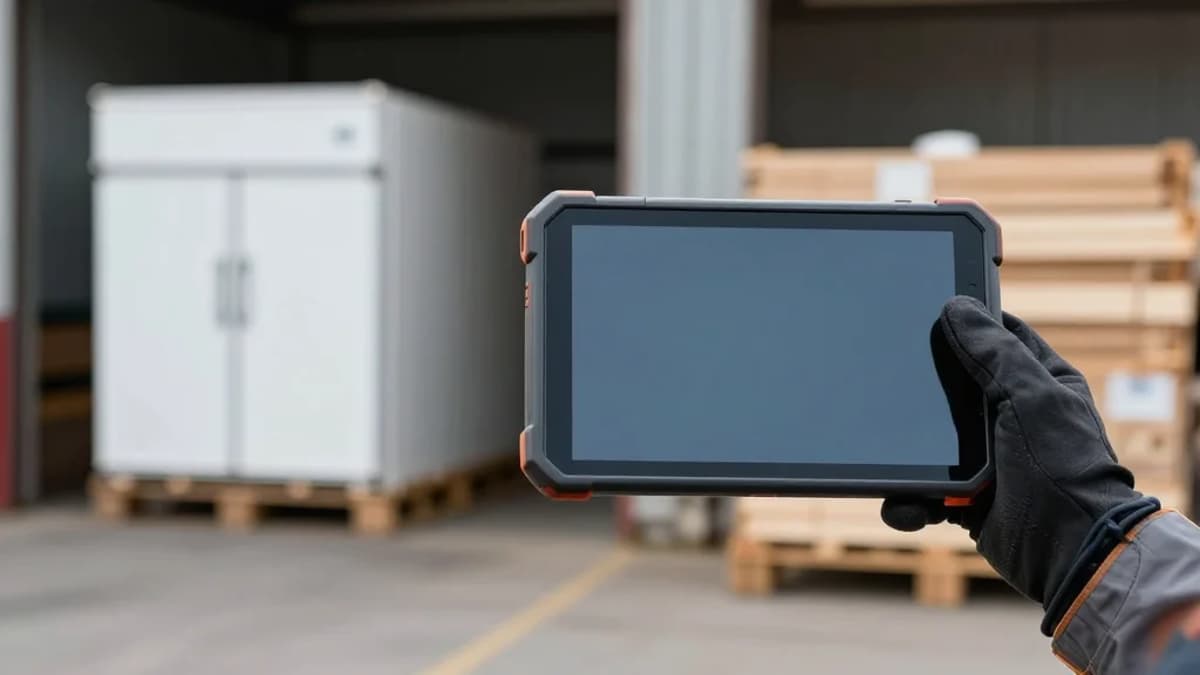
- •Drivers use handheld devices to log delivery checkpoints.
- •Feature aims to boost customer engagement and sales.
- •41% of shoppers demand real‑time large‑item visibility.
- •Home Depot added ~200 facilities to speed deliveries.
Pulse Analysis
The retail giant’s latest rollout reflects a broader industry push toward hyper‑visible last‑mile logistics. While Home Depot already offered real‑time tracking for small parcels, extending the service to appliances, lumber and other bulky items closes a long‑standing gap in the customer experience. The move builds on a decade of supply‑chain investments, including the addition of nearly 200 distribution centers and a “ship‑from‑best‑location” algorithm that dynamically selects the fastest fulfillment node. As e‑commerce shoppers increasingly expect the same transparency for large purchases as they receive for everyday goods, Home Depot’s upgrade positions it to meet that demand.
Behind the new interface is a handheld delivery device that records time‑stamped checkpoints as drivers load, transport, and unload each order. These digital breadcrumbs create a live map that updates customers the moment a truck departs a hub, arrives at a neighborhood, or completes the final drop‑off. By automating status updates, the system reduces manual phone calls, cuts the incidence of missed windows, and feeds richer data into Home Depot’s routing engine for continual optimization. Early internal metrics suggest the tool improves on‑time delivery rates by several percentage points.
For the broader market, Home Depot’s real‑time big‑item tracking sets a new benchmark that rivals like Lowe’s and Amazon Home Services will feel pressured to match. The enhanced visibility is expected to lift average order values, as consumers gain confidence to purchase high‑ticket items online. Moreover, the data harvested from driver devices can inform predictive maintenance, inventory placement, and even dynamic pricing strategies. As retailers double down on last‑mile efficiency, the convergence of handheld tech, AI‑driven routing and customer‑facing transparency will likely become a standard component of omnichannel fulfillment.
Home Depot launches real-time delivery tracking for large items
0
Comments
Want to join the conversation?
Loading comments...