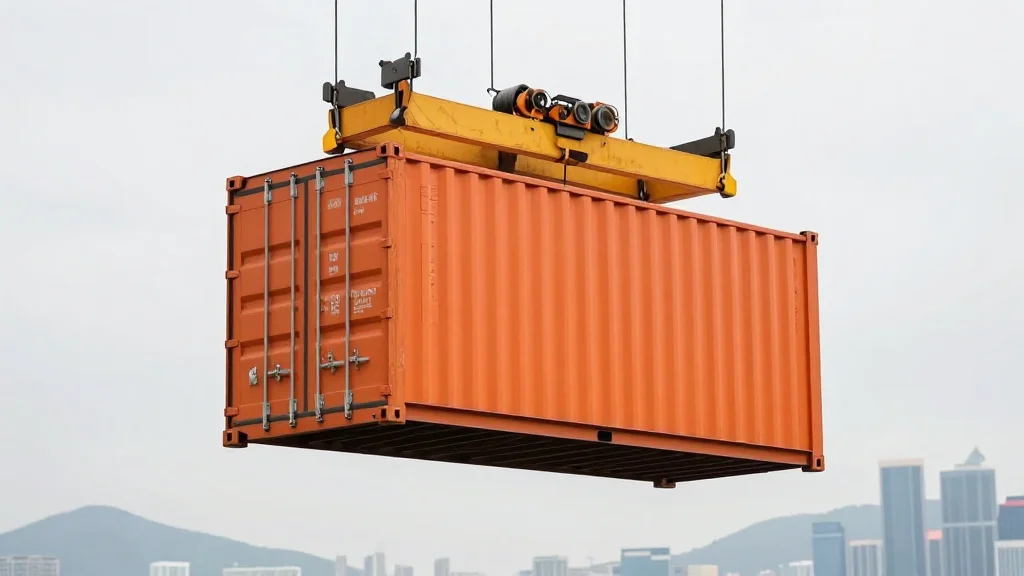
Hong Kong Makers Rush Exports to Hedge Against Expected US Tariffs

Why It Matters
The aggressive export push underscores how quickly supply‑chain actors can alter shipping schedules in response to policy signals, highlighting the fragility of global trade flows. If the anticipated U.S. tariffs materialize, Hong Kong’s manufacturing base could see a temporary boost in outbound volumes but at the expense of tighter margins and higher inventory risk. Long‑term, the episode may accelerate a broader re‑evaluation of regional sourcing strategies. Firms that previously migrated production to lower‑cost ASEAN locations may reconsider the trade‑off between tariff savings and logistical expenses, potentially reshaping the manufacturing geography of the Asia‑Pacific.
Key Takeaways
- •Hong Kong manufacturers are front‑loading exports to pre‑empt a possible July U.S. tariff increase.
- •Long‑haul freight rates have risen by about 50 % amid soaring oil prices.
- •Diesel prices in Hong Kong now exceed gasoline, adding to logistics costs.
- •Industry leaders warn that buyer price‑cut demands could erase profit margins on exported orders.
- •Some firms are pulling production back to mainland China as shipping costs offset ASEAN tariff advantages.
Pulse Analysis
The current export surge reflects a classic supply‑chain hedge: firms accelerate shipments to lock in current pricing before a policy shock hits. Historically, similar front‑loading episodes have produced mixed outcomes; while they can temporarily boost cash flow, they also inflate inventory levels that become liabilities if demand softens. In Hong Kong’s case, the gamble is amplified by volatile energy markets and the lingering uncertainty of the Middle East conflict, which together drive freight costs to unprecedented levels.
From a competitive standpoint, the episode may catalyze a re‑balancing of the region’s manufacturing map. The “China Plus N” diversification strategy, once hailed as a risk‑mitigation play, now faces a cost‑benefit reversal as shipping premiums erode the savings from lower labor rates in Vietnam or Thailand. Companies that can swiftly re‑configure logistics—leveraging Hong Kong’s role as a supply‑chain hub rather than a production base—will likely preserve margin better than those locked into rigid offshore footprints.
Looking ahead, the real test will be the U.S. administration’s final tariff decision. If the hike is modest or delayed, the front‑loaded inventory could become a drag on profitability, prompting firms to seek price adjustments with overseas buyers. Conversely, a steep tariff increase would validate the pre‑emptive strategy, reinforcing Hong Kong’s position as a rapid‑response export gateway. Either scenario will push manufacturers to invest in more agile forecasting tools, flexible labor arrangements, and diversified market outreach to cushion future policy shocks.
Hong Kong Makers Rush Exports to Hedge Against Expected US Tariffs
Comments
Want to join the conversation?
Loading comments...