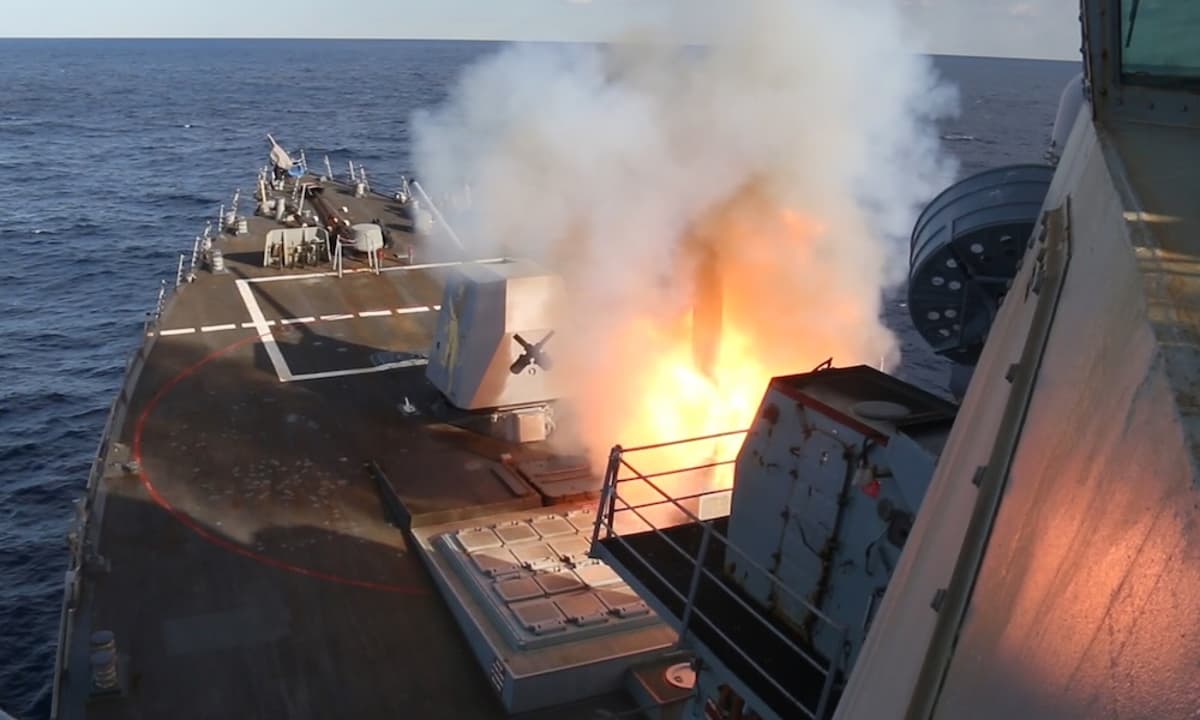
Hormuz Crisis Intensifies
Why It Matters
The episode underscores the clash between Iranian maritime demands and U.S. sanctions, creating legal and operational risk for global shipping lines and potentially reshaping trade routes through one of the world’s most critical chokepoints.
Key Takeaways
- •Iran reversed Hormuz opening, attacked tanker and container vessel
- •US Navy seized Iranian‑flagged Touska after warning shots
- •Iran offers toll‑based passage, conflicting with US OFAC sanctions
- •New Larak Corridor route signals Tehran's bid for traffic control
- •Shipping firms face heightened insurance and rerouting costs
Pulse Analysis
The Strait of Hormuz remains a geopolitical flashpoint because roughly a fifth of global oil shipments pass through its narrow waters. In the past weekend, Iran’s erratic policy—opening the strait, then closing it within hours while targeting commercial vessels—has amplified uncertainty for carriers that already navigate a complex sanctions regime. The U.S. Central Command’s decisive action against the Iranian‑flagged container ship Touska illustrates Washington’s willingness to enforce OFAC restrictions, even at the risk of direct confrontation with Tehran’s naval forces.
For shipowners, the emerging toll‑based passage model proposed by Iran presents a legal dilemma. Paying the fee would breach U.S. sanctions, jeopardizing access to the American market and exposing firms to hefty penalties. Consequently, many operators are evaluating alternative routes around the Arabian Peninsula, despite longer transit times and higher fuel costs. Insurers are also recalibrating premiums as the probability of vessel damage, crew injury, or cargo loss rises in a region where state‑sponsored aggression and piracy threats intersect.
Looking ahead, Iran’s launch of the Larak Corridor—a newly charted maritime lane south of Larak Island—signals an attempt to assert sovereign control over traffic flow. While the corridor may offer a sanctioned path for vessels willing to comply with Tehran’s terms, it could further fragment global shipping patterns and compel multinational logistics firms to diversify their routing strategies. Stakeholders will closely monitor diplomatic channels for de‑escalation, as prolonged instability could push more trade toward the longer, but less risky, routes around the Cape of Good Hope or through the Suez Canal, reshaping freight economics for years to come.
Hormuz crisis intensifies
Comments
Want to join the conversation?
Loading comments...