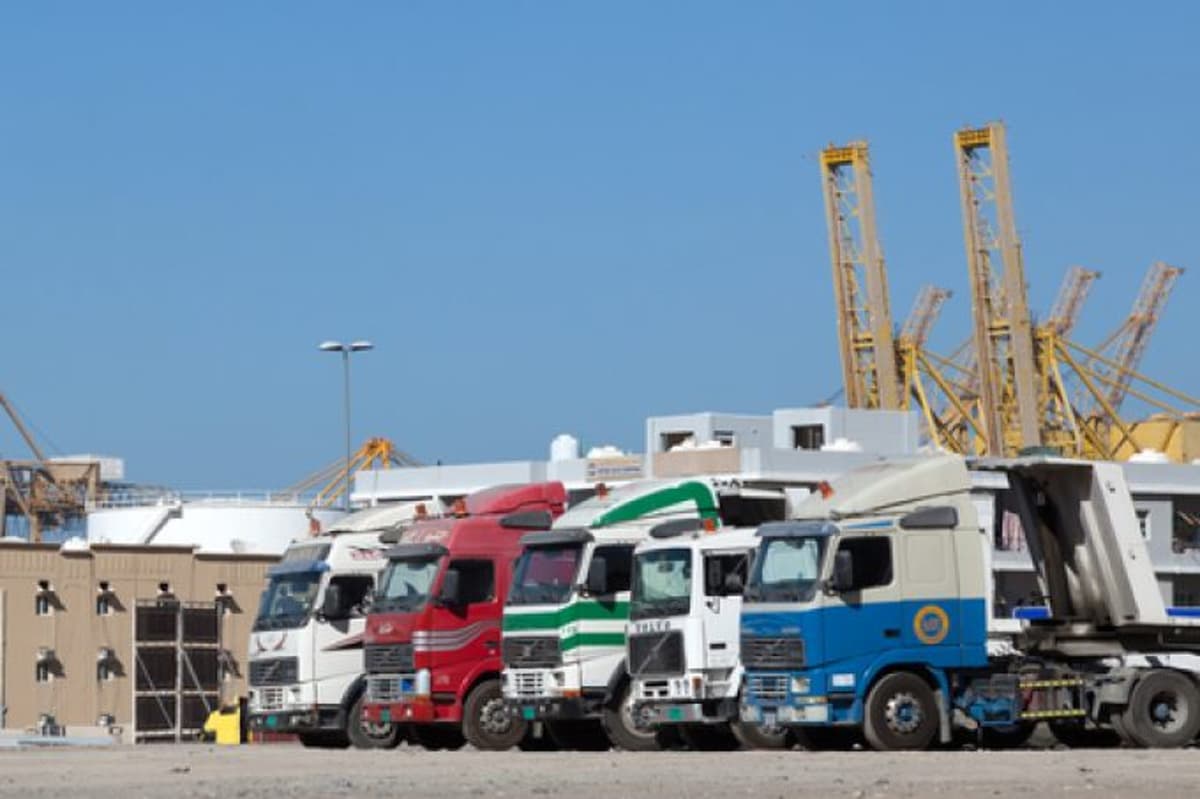
Hormuz ‘Definitely Shut’, Landbridges Under Pressure – TIR to the Rescue?
Companies Mentioned

Why It Matters
With the Hormuz Strait shut, supply‑chain resilience in the Middle East now hinges on alternative overland corridors, directly affecting delivery timelines and cost structures for regional importers.
Key Takeaways
- •Hormuz Strait closure forces Gulf imports onto overland routes
- •Red Sea ports Jeddah and KAP face 6‑8 week container delays
- •Maersk, Hapag‑Lloyd shift UAE cargo to Khor Fakkan, Salalah
- •TIR‑enabled truck traffic from Turkey to Gulf surges amid congestion
- •Administrative bottlenecks compound physical capacity limits at Gulf landbridges
Pulse Analysis
The abrupt shutdown of the Hormuz Strait, a critical chokepoint for global oil and container traffic, has forced shippers to reconsider the reliability of maritime routes that skirt the Persian Gulf. While the strait’s closure is a geopolitical flashpoint, its immediate logistical impact is felt in the surge of cargo seeking alternative pathways. Overland corridors, particularly those traversing Turkey, Syria, and Jordan, are now under intense scrutiny as they offer a viable bypass for time‑sensitive goods, albeit with added complexity in border handling and security considerations.
Compounding the maritime disruption, Saudi Arabia’s Red Sea gateways at Jeddah and King Abdullah (KAP) are experiencing unprecedented container backlogs. Six‑to‑eight‑week release windows reflect both physical berth saturation and administrative snarls in customs clearance, a situation exacerbated by seasonal peaks such as the Hajj pilgrimage. In response, major carriers like Maersk, Hapag‑Lloyd, and MSC have redirected UAE‑bound cargo to Arabian Sea hubs—Khor Fakkan, Salalah, and Sharjah—seeking to preserve service reliability. However, these alternative ports are quickly inheriting similar capacity strains, underscoring a systemic bottleneck across the region’s land‑bridge network.
Amid this turbulence, the United Nations‑backed TIR (Transports Internationaux Routiers) system is emerging as a strategic asset. By allowing sealed truck loads to transit with minimal customs inspections, TIR delivers significant time and cost savings, making the Turkey‑to‑Gulf corridor increasingly attractive. The surge in TIR‑enabled movements signals a broader industry shift toward multimodal resilience, where digital customs facilitation complements physical infrastructure. As stakeholders adapt, the balance between speed, cost, and regulatory compliance will define the next phase of Middle‑East supply‑chain dynamics.
Hormuz ‘definitely shut’, landbridges under pressure – TIR to the rescue?
Comments
Want to join the conversation?
Loading comments...