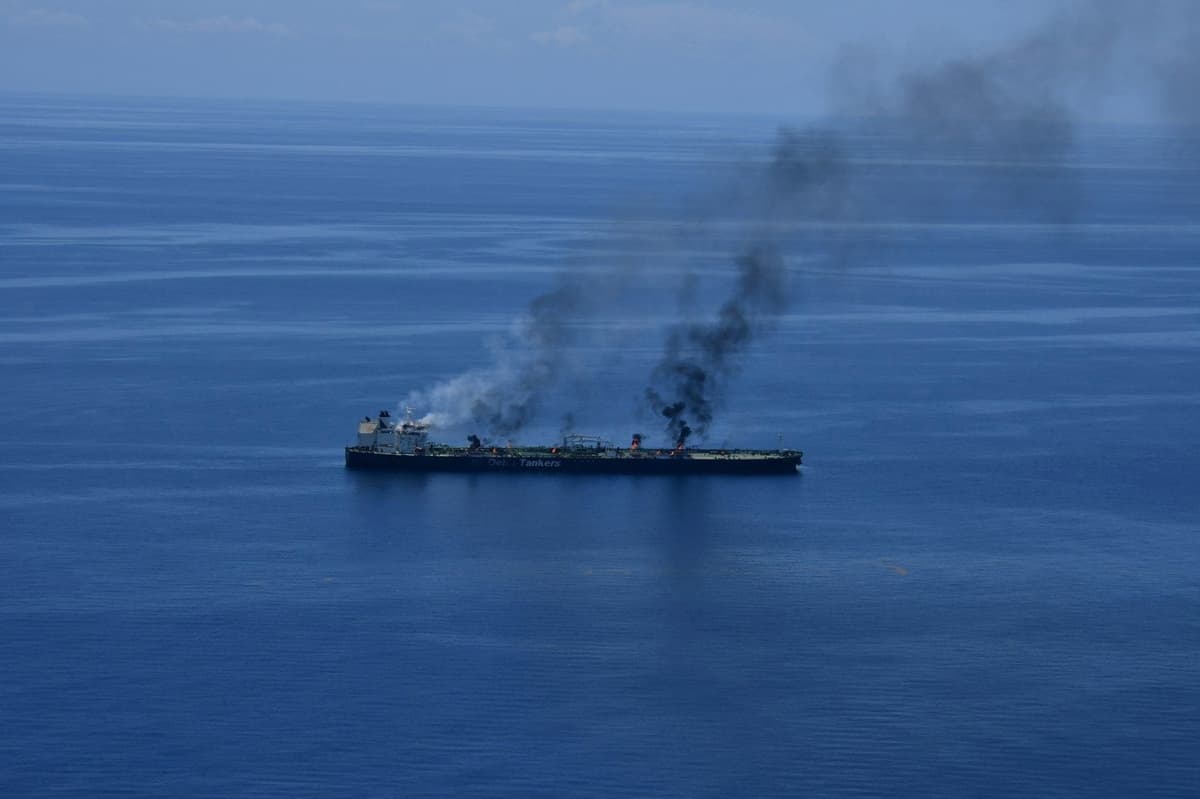
Houthis to Impose ‘Complete Ban’ on Israeli Ships in Red Sea
Why It Matters
The ban threatens a critical global shipping corridor, raising insurance costs and supply‑chain risks for oil and container traffic. It also signals a possible expansion of the Israel‑Iran proxy war onto the high‑value Red Sea trade lanes.
Key Takeaways
- •Houthis announce total ban on Israeli vessels in Red Sea.
- •Ban threatens Red Sea traffic and Bab el‑Mandeb strategic chokepoint.
- •Vanguard Tech advises heightened vigilance and affiliation screening for all ships.
- •Potential escalation could disrupt Saudi crude exports from Yanbu port.
- •Analysts view ban as first step toward broader maritime conflict.
Pulse Analysis
The Red Sea is a linchpin of global commerce, funneling roughly 10 percent of world trade, including a substantial share of Middle‑East oil. By targeting Israeli‑flagged ships, the Houthis are leveraging a geopolitical lever that could ripple through the Bab el‑Mandeb, the narrow strait linking the Red Sea to the Gulf of Aden. Historically, the group has used maritime attacks to signal alignment with Tehran and to pressure regional actors. This latest blanket prohibition expands that tactic, blurring the line between legitimate military objectives and indiscriminate disruption of commercial traffic.
For shippers and insurers, the announcement translates into immediate operational challenges. Vanguard Tech’s advisory to conduct enhanced affiliation screening reflects a broader industry shift toward real‑time risk analytics and route diversification. Companies may reroute vessels around the Cape of Good Hope, inflating fuel consumption and transit times, while freight rates and war‑risk premiums are likely to climb. Saudi Arabia’s western port of Yanbu, a hub for crude loading, could see delayed shipments if the Houthis target the Bab el‑Mandeb, tightening global oil supplies and potentially nudging benchmark prices higher.
Looking ahead, the ban could serve as a stepping stone toward more aggressive actions, such as mining the strait or directly engaging foreign naval forces. Diplomatic channels, including back‑channel talks between the United States, Israel, and Gulf states, will be tested as they seek to de‑escalate without conceding strategic ground. Stakeholders should monitor intelligence briefings, adjust contingency plans, and consider collaborative security arrangements to safeguard vessels while preserving the flow of trade through this vital maritime artery.
Houthis to Impose ‘Complete Ban’ on Israeli Ships in Red Sea
Comments
Want to join the conversation?
Loading comments...