How Iran Is Bypassing the Strait of Hormuz Blockade
Companies Mentioned
Why It Matters
The shift highlights how geopolitical pressure can reshape regional trade flows and raise global oil‑price volatility, while exposing the limits of land‑based logistics for a maritime‑dependent economy.
Key Takeaways
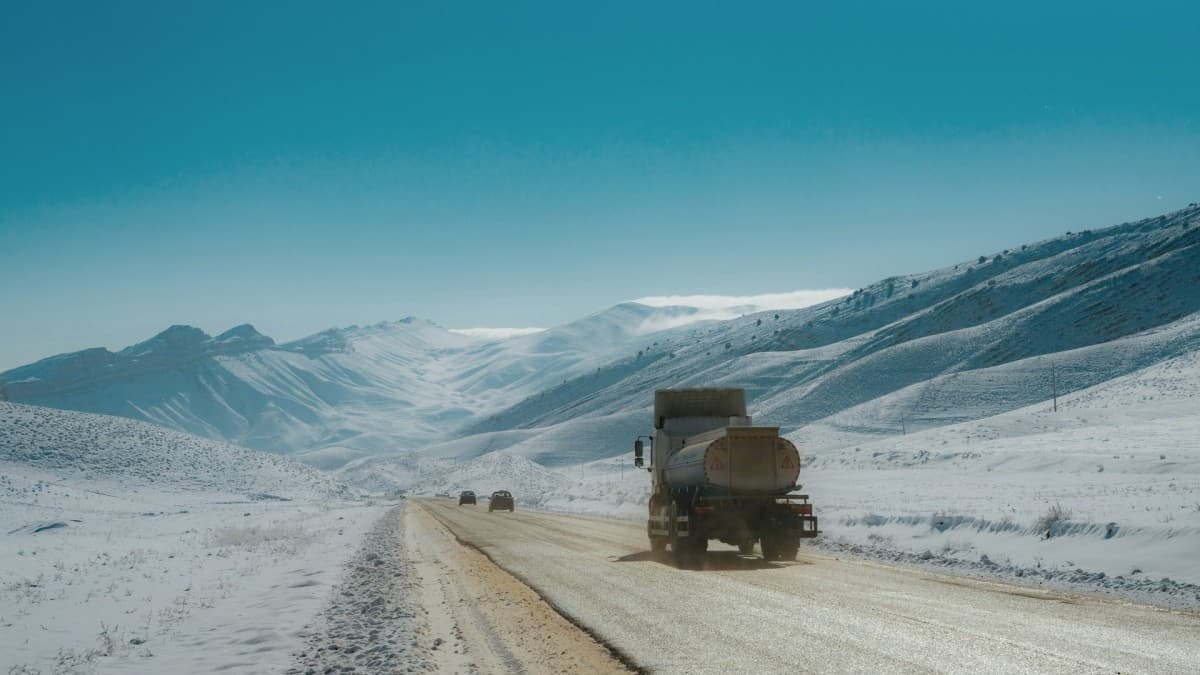
- •Trucking from Pakistan, Turkey, and Armenia supplies food amid blockade
- •Caspian Sea shipments from Russia deliver grain, corn, and sunflower oil
- •Rail link to China offers a non‑maritime oil export pathway
- •Transport costs rise, feeding higher inflation on Iranian tradeables
- •Experts warn land routes cannot match the volume of container shipping
Pulse Analysis
The United States and Israel’s naval campaign to seal the Strait of Hormuz has forced Tehran to re‑engineer its supply chain. With the chokepoint effectively closed since late February, Iran has opened a network of overland corridors through Pakistan, Turkey, Armenia and Azerbaijan, while reviving Caspian Sea links with Russia. These routes now carry essential foodstuffs, baby formula and other consumer goods that would otherwise have been shipped in containers. At the same time, Iran is testing a rail connection to China as a back‑door for oil exports, leveraging the Kazakhstan‑Turkmenistan‑Iran corridor completed in 2025.
Economists such as Steve H. Hanke stress that land‑based logistics are inherently more expensive and capacity‑constrained. Trucking across the rugged Pakistan‑Iran frontier adds fuel surcharges and border delays, while the Caspian ports struggle with limited fleet size and seasonal ice. Consequently, landed prices for food and industrial inputs have risen, feeding inflation that already outpaces regional averages. Rail can move oil in strategic volumes, but it lacks the scale of tankers and depends on Chinese yuan settlements, sidestepping the dollar‑based sanctions but not eliminating cost penalties.
The workaround underscores how a maritime blockade can reshape regional trade patterns without delivering a decisive economic collapse. While Iran retains roughly 130 million barrels of oil already at sea, the shift to overland and rail routes tightens global oil supply, nudging Brent and WTI futures upward amid tighter market sentiment. For neighboring economies, increased truck traffic offers short‑term revenue but also strains infrastructure and raises security concerns. In the longer run, the persistence of alternative corridors may cement new logistics hubs, altering the strategic calculus for both sanctions architects and their targets.
How Iran Is Bypassing the Strait of Hormuz Blockade
Comments
Want to join the conversation?
Loading comments...