How Micro Fulfillment Hubs Make Same-Day Delivery for Small Retailers Possible
•February 28, 2026
0
Why It Matters
Fast delivery is a decisive factor in conversion and loyalty, giving small retailers a competitive edge against larger players. MFCs lower operational expenses while meeting consumer expectations for rapid fulfillment.
Key Takeaways
- •MFCs locate inventory within 5‑10 miles of customers
- •Shared micro‑hubs cut last‑mile costs for small retailers
- •Automation like AMRs enables rapid picking in sub‑10k sqft spaces
- •Real‑time analytics optimize inventory placement, preventing stockouts
- •Same‑day delivery boosts shopper loyalty and conversion rates
Pulse Analysis
The e‑commerce boom has turned speed into a market differentiator. Shoppers now expect their orders within hours, and research shows that 21% abandon carts when delivery windows feel too long. Traditional, centralized warehouses struggle to meet these expectations, especially for small and mid‑size retailers lacking the capital to operate multiple large facilities. Micro‑fulfillment centers bridge this gap by situating inventory close to dense consumer clusters, typically in urban or suburban neighborhoods, trimming delivery routes to a 5‑10‑mile radius. This proximity not only slashes transit times but also reduces fuel and labor expenses associated with the last mile, directly improving profit margins.
Beyond geography, MFCs leverage shared infrastructure to further cut costs. Multiple merchants can co‑locate in a single micro‑hub, sharing storage space, robotics, and even courier networks. This collaborative model mirrors the rise of shared warehousing in tech and e‑learning sectors, where assets are pooled to achieve economies of scale. Coupled with sophisticated warehouse management systems, retailers gain real‑time visibility into stock levels, enabling dynamic allocation based on sales trends, seasonal spikes, and regional demand patterns. The result is a leaner supply chain that minimizes overstock and stockouts, enhancing both cash flow and customer satisfaction.
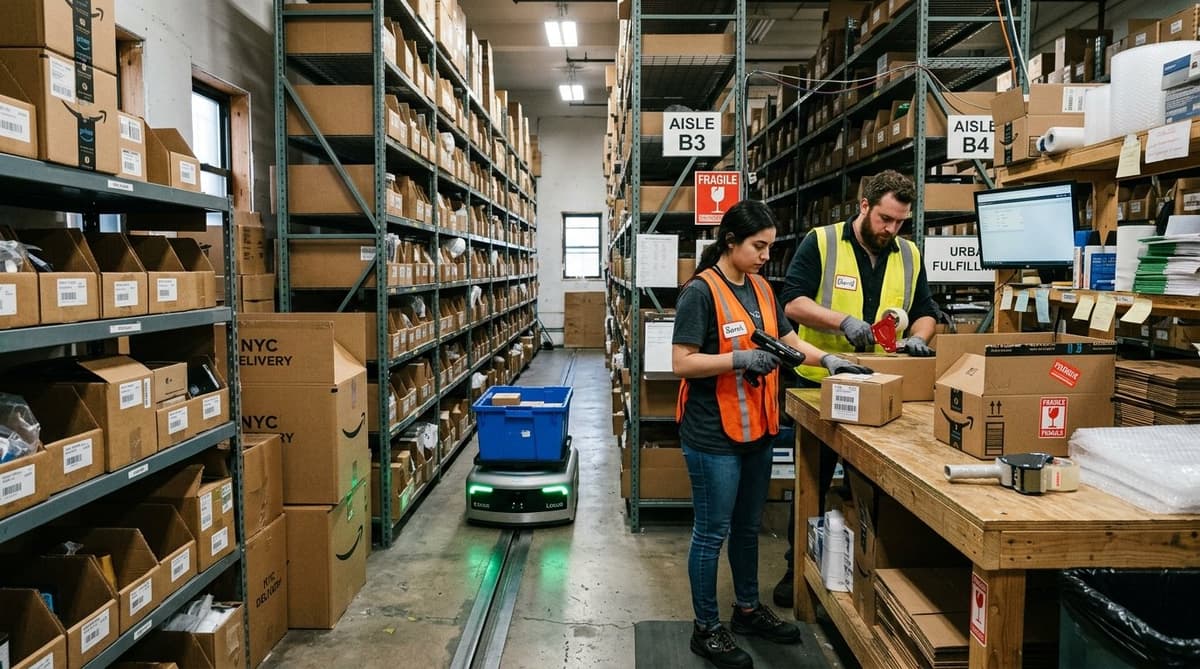
Automation is the engine that makes micro‑fulfillment viable at scale. Compact hubs, often under 10,000 square feet, employ vertical storage, autonomous mobile robots, and pick‑by‑light interfaces to accelerate order processing. Robots navigate tight aisles, retrieve items, and deliver them to packing stations in minutes, dramatically reducing labor costs. Integrated RFID and barcode scanning provide continuous inventory accuracy, while predictive analytics forecast replenishment needs before shortages arise. As retailers continue to prioritize same‑day service, the convergence of strategic placement, shared resources, and advanced automation positions micro‑fulfillment centers as a cornerstone of the next generation of agile, customer‑centric supply chains.
How Micro Fulfillment Hubs Make Same-Day Delivery for Small Retailers Possible
0
Comments
Want to join the conversation?
Loading comments...